アーメダバード No. 1 歯科医院 – アーメダバードのトップ歯科医
Best Dental Clinic for Japanese in Ahmedabad.
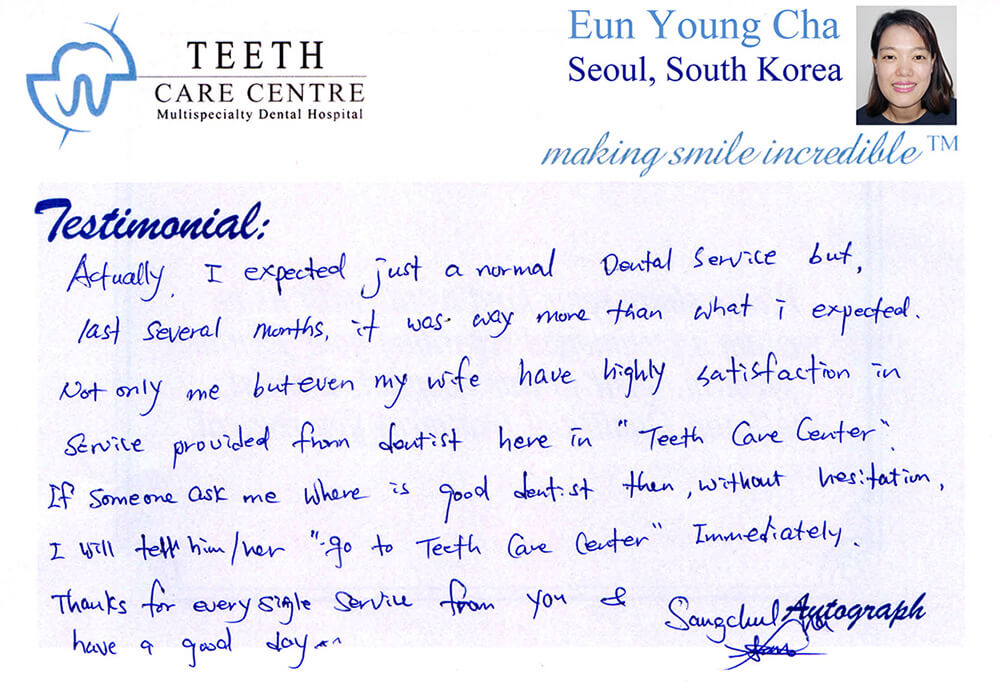
Best Dental Clinic for Ahmedabad’s Japanese & Korean community
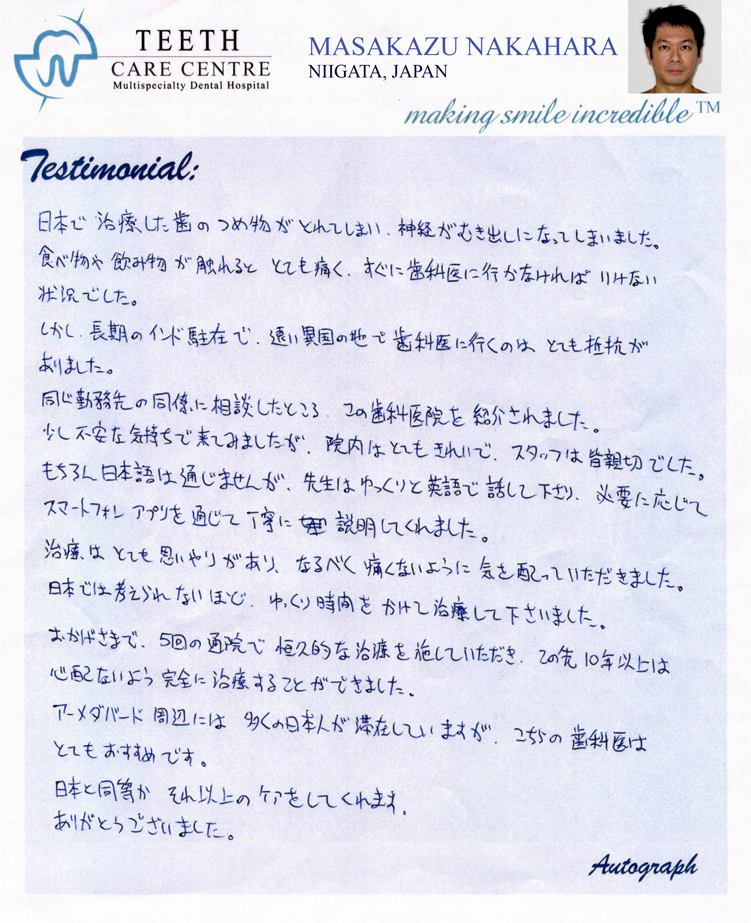
Dentist for South Korea and Japan Community in Vitthalapur Ahmedabad Gujarat
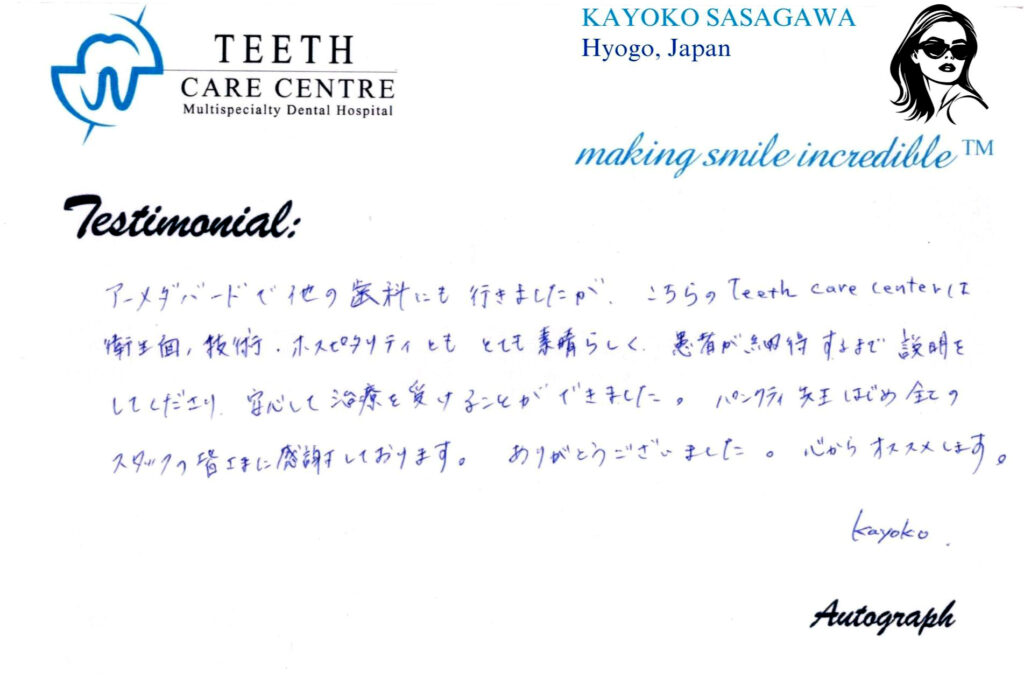
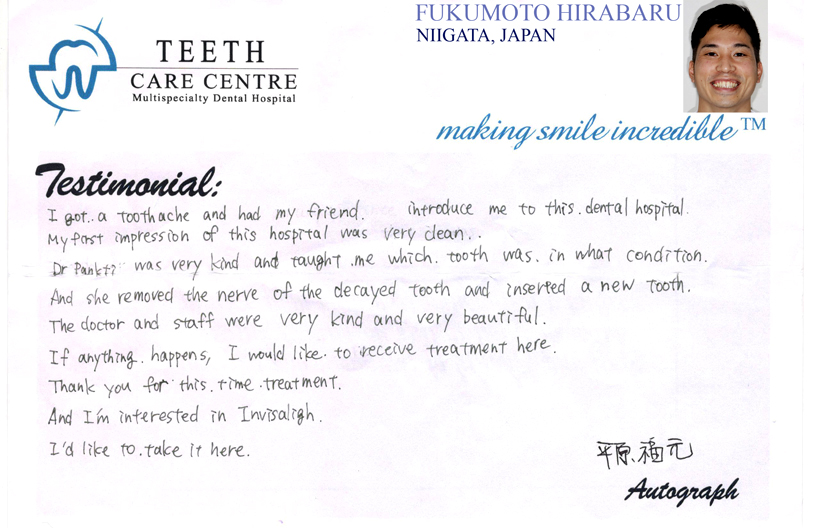
Japanese and Korean Langauge friendly dental clinic in Ahmedabad Gujarat
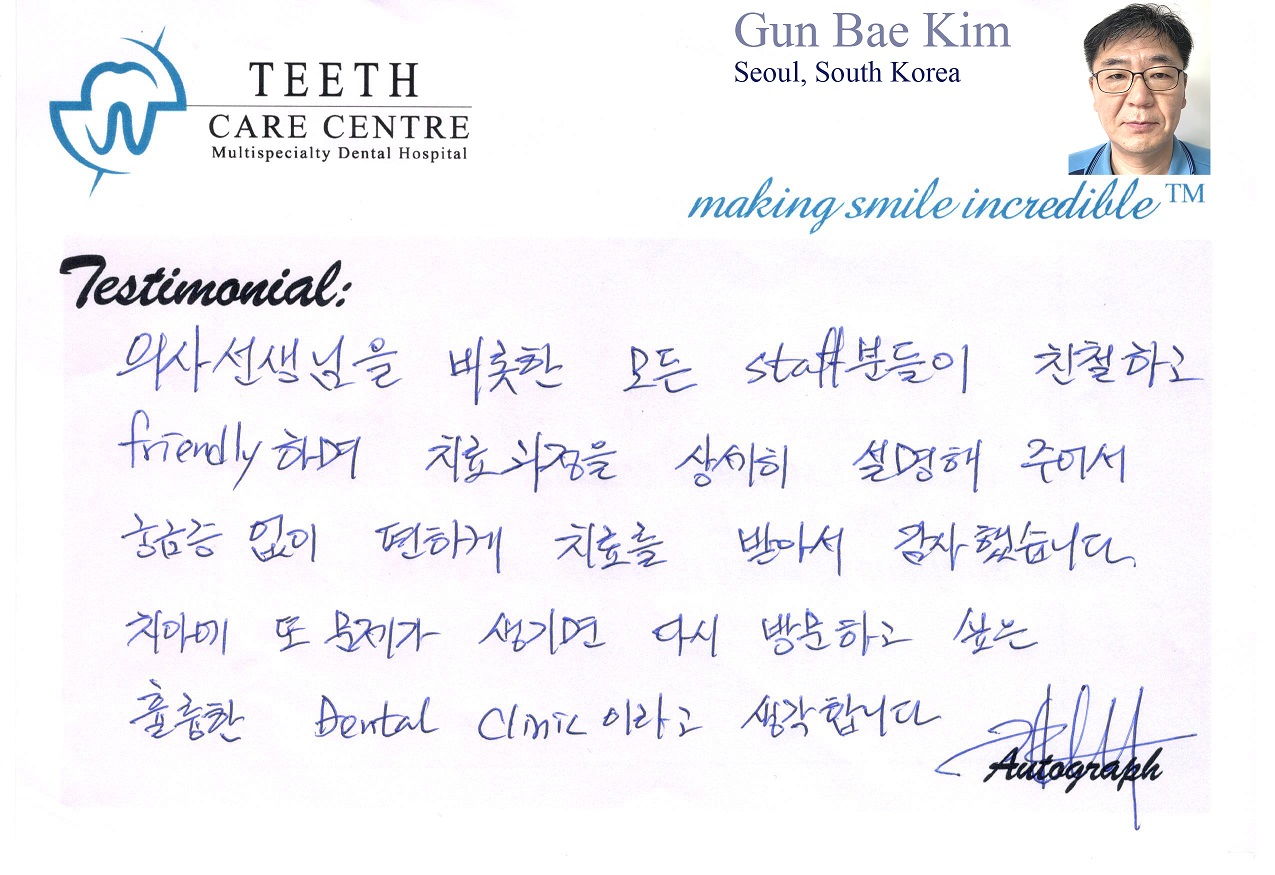
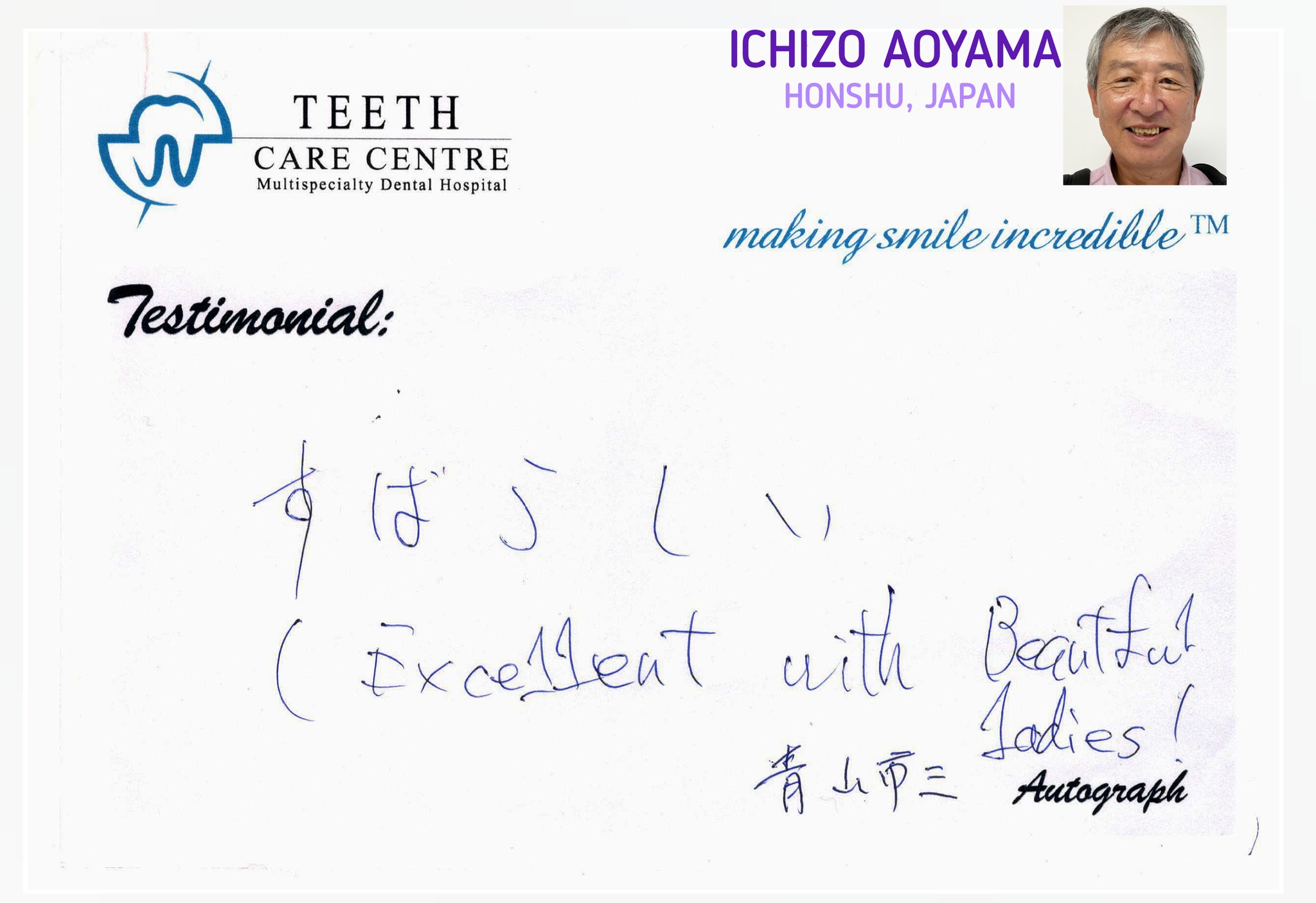
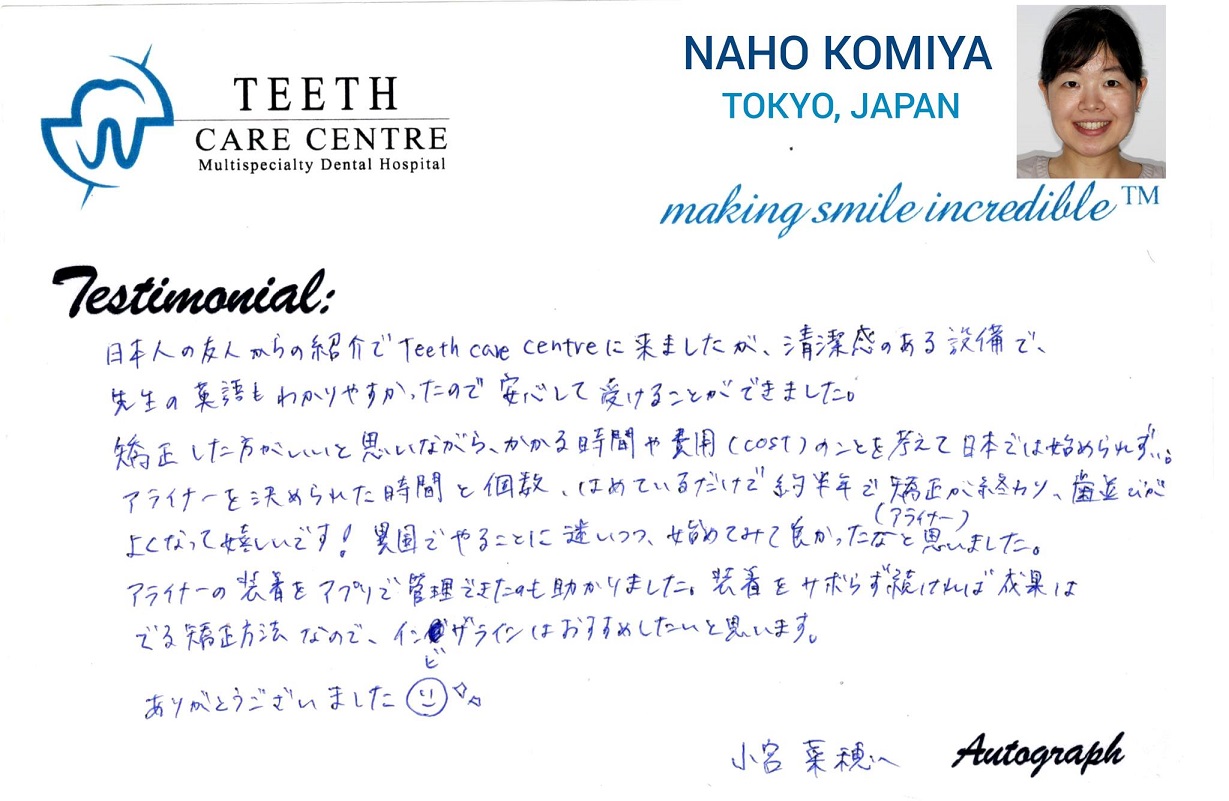
Famous Dentist in Japanese and South Korean Community of Ahmedabad Gujarat.
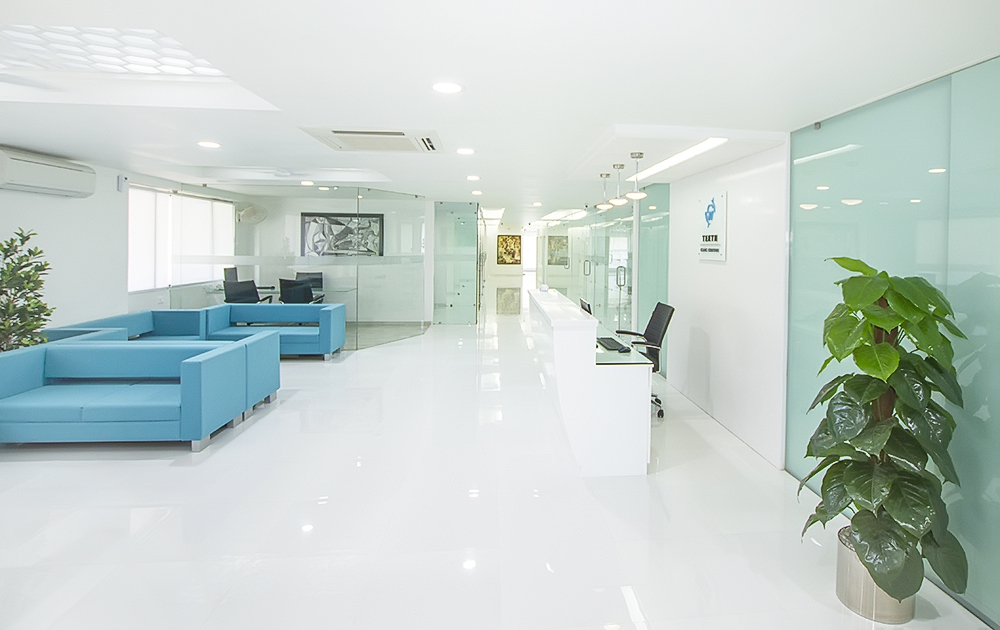
Teeth Care Centre Dental Hospital at Ahmedabad https://teethcarecentre.com/
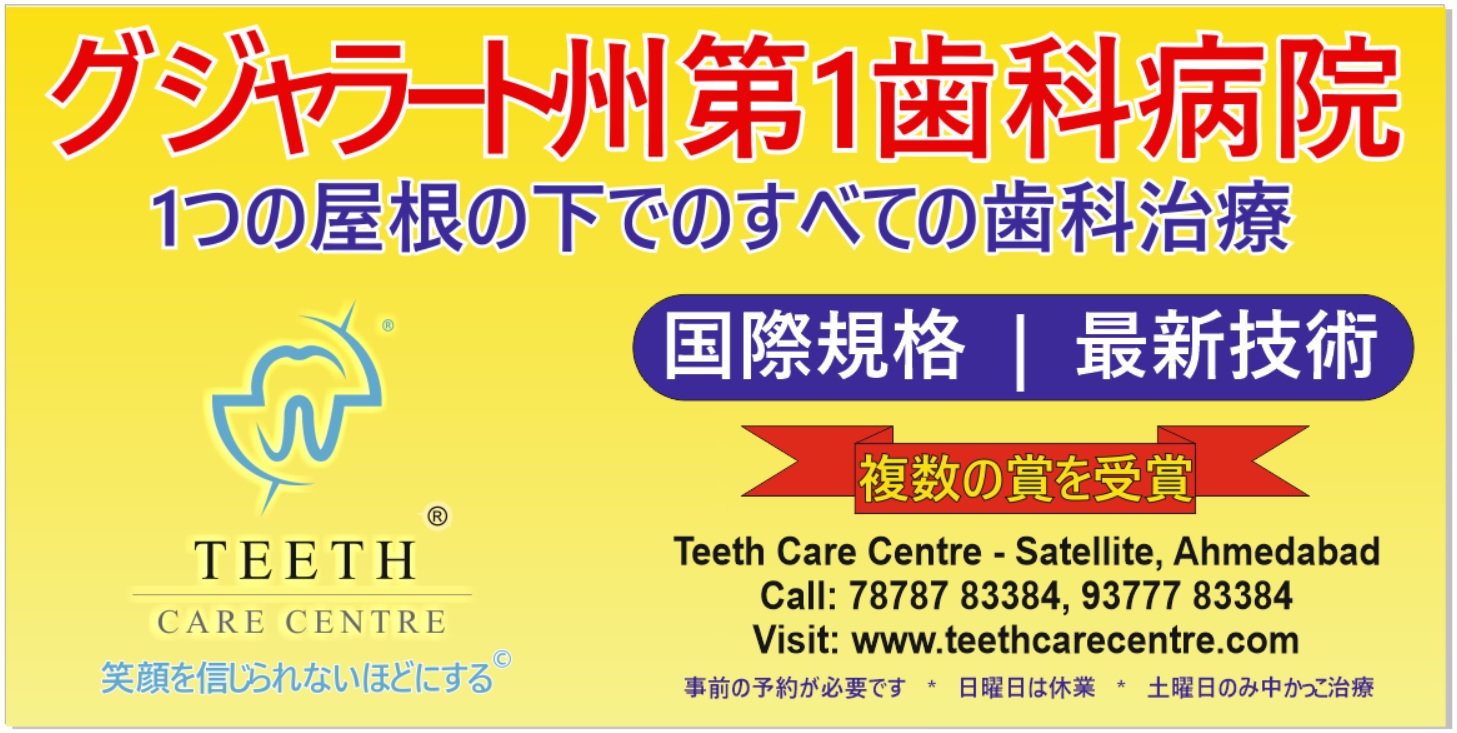
グジャラート州第1歯科病院
1つの屋根の下でのすべての歯科治療
国際規格 | 最新技術
複数の賞を受賞
아마다바드 최고의 치과의사. 아마다바드 최고의 치과 진료소. 세계적 수준의 치과.
Contact Information – Dentist for Japanese and Korean in Ahmedabad:
Teeth Care Centre Dental Hospital
2nd Floor, Pushpak66, Near Someshwar Jain Temple, 132 Feet Ring Road, Satellite, Ahmedabad, Gujarat, INDIA – 380015
https://teethcarecentre.com
International Dental Care Innovations 2026: A Practical Guide for Japanese and Korean Expats Seeking a Dentist in Ahmedabad
Japanese and Korean expatriates living in Ahmedabad may need a reliable dental provider who can support routine checkups, urgent treatment, and ongoing care while they are away from their home countries. When searching for a dentist for Japanese Ahmedabad residents can consult, it helps to look beyond location and consider communication, clinical qualifications, appointment coordination, and access to treatment records. Similarly, people looking for a dentist for Korean Ahmedabad residents trust should ask how the clinic explains diagnoses and whether assistance is available for patients who prefer Japanese or Korean communication. Language support should be confirmed directly, as not every dental clinic offers professional interpretation or multilingual documentation. A dental clinic for Japanese Ahmedabad patients consider should provide clear explanations of proposed procedures, expected recovery, alternatives, and follow-up requirements. Patients who are more comfortable discussing health matters in their first language may wish to prepare questions in advance or bring a trusted interpreter when appropriate. Korean expatriates researching a dental clinic for Korean Ahmedabad residents can use a similar checklist when comparing providers. Before the first appointment, patients should share their medical history, medication list, allergies, and any previous dental treatment, including crowns, implants, orthodontics, or root canal procedures. Existing dental records and recent X-rays from Japan or Korea may help the treating dentist understand the condition of previously treated teeth. The dentist may still need new examinations or images when clinically indicated, especially if symptoms have developed since the earlier records were made. Routine preventive appointments are useful for identifying cavities, gum inflammation, tooth wear, and problems around older restorations before they become more difficult to manage. Patients with a history of periodontal disease may require individualized maintenance visits rather than relying on a fixed schedule. Those wearing retainers or clear aligners should bring their current appliances and treatment instructions so the dentist can understand their ongoing orthodontic care. People with dental implants should provide information about the implant system and previous restoration details whenever possible, as these records may assist future maintenance. If urgent symptoms occur, such as facial swelling, severe pain, trauma, or difficulty swallowing, prompt professional assessment is more important than waiting for a preferred appointment time. Before agreeing to extensive treatment, expatriates should request a written plan outlining the diagnosis, proposed procedures, appointment sequence, estimated costs, and possible alternatives. This is particularly important for treatment that requires multiple visits or a healing period extending beyond an international assignment or holiday. Patients considering crowns, veneers, implants, or orthodontic treatment should confirm whether all necessary stages can be completed during their expected stay in Ahmedabad. Some restorations require laboratory fabrication, while implant treatment may involve several months of healing and additional appointments. A dentist should explain these timelines honestly rather than promising that every procedure can be completed immediately. Patients should also ask for copies of their treatment notes, radiographs, prescriptions, and restoration details so another provider can continue care if they relocate. Those covered by corporate health plans or travel insurance should verify what is included before treatment begins, because dental benefits vary by policy. Maintaining a consistent oral hygiene routine, limiting frequent sugary snacks, and attending recommended reviews can help reduce unexpected dental problems while living abroad. A dependable dental provider should make it easy to ask questions, understand clinical decisions, and obtain records when needed. For Japanese and Korean expatriates, the most useful long-term dental relationship is built on clear communication, evidence-informed treatment, and continuity of care rather than language or marketing claims alone.