Teeth Care Centre® Dental Hospital Complete Implant Guide
If you prefer watching a video instead of reading the blog, Click Here.
How will you choose a good Implant Dentist in India?
Our foremost priority is always to save your natural teeth whenever possible. Implants are a great option when needed, but nothing compares to the teeth you were born with. Our goal is not financial gain — but to do what is truly best for your long-term dental health. – Teeth Care Centre Dental Hospital

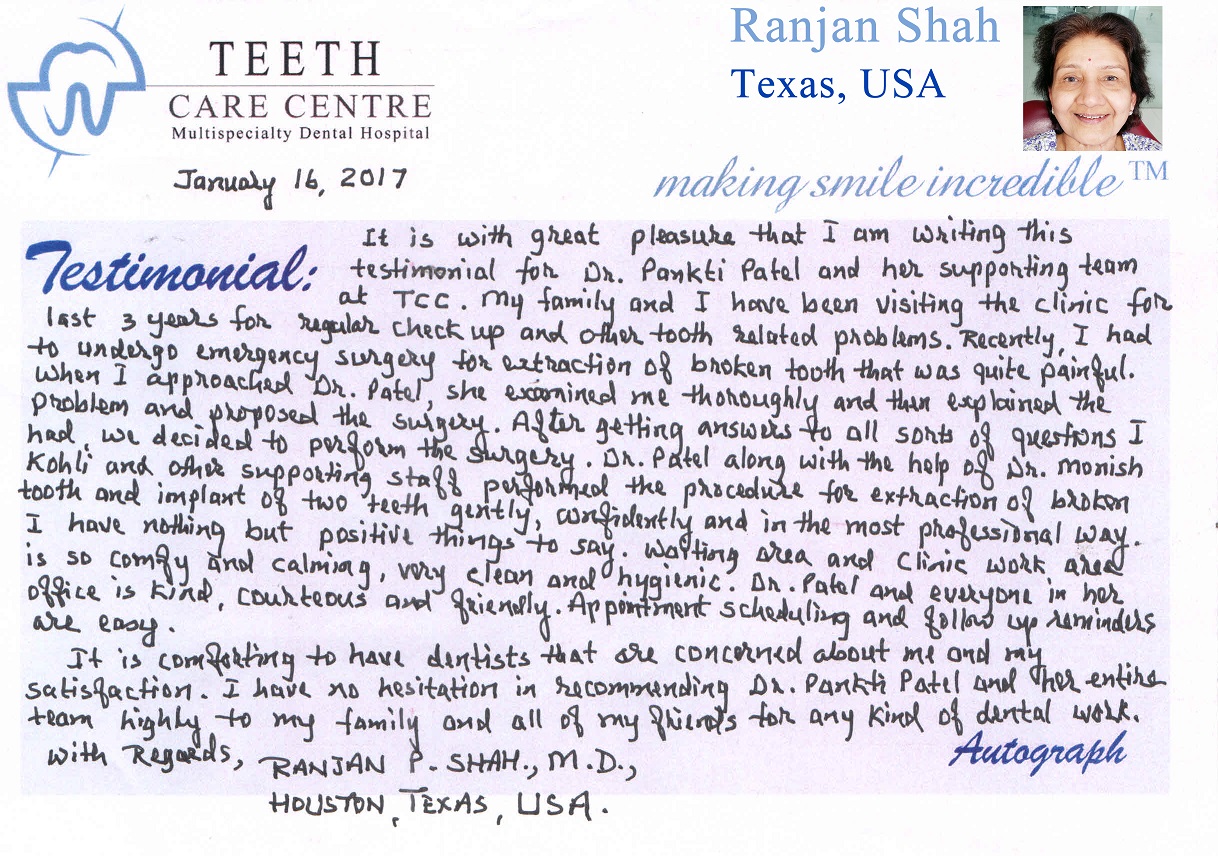
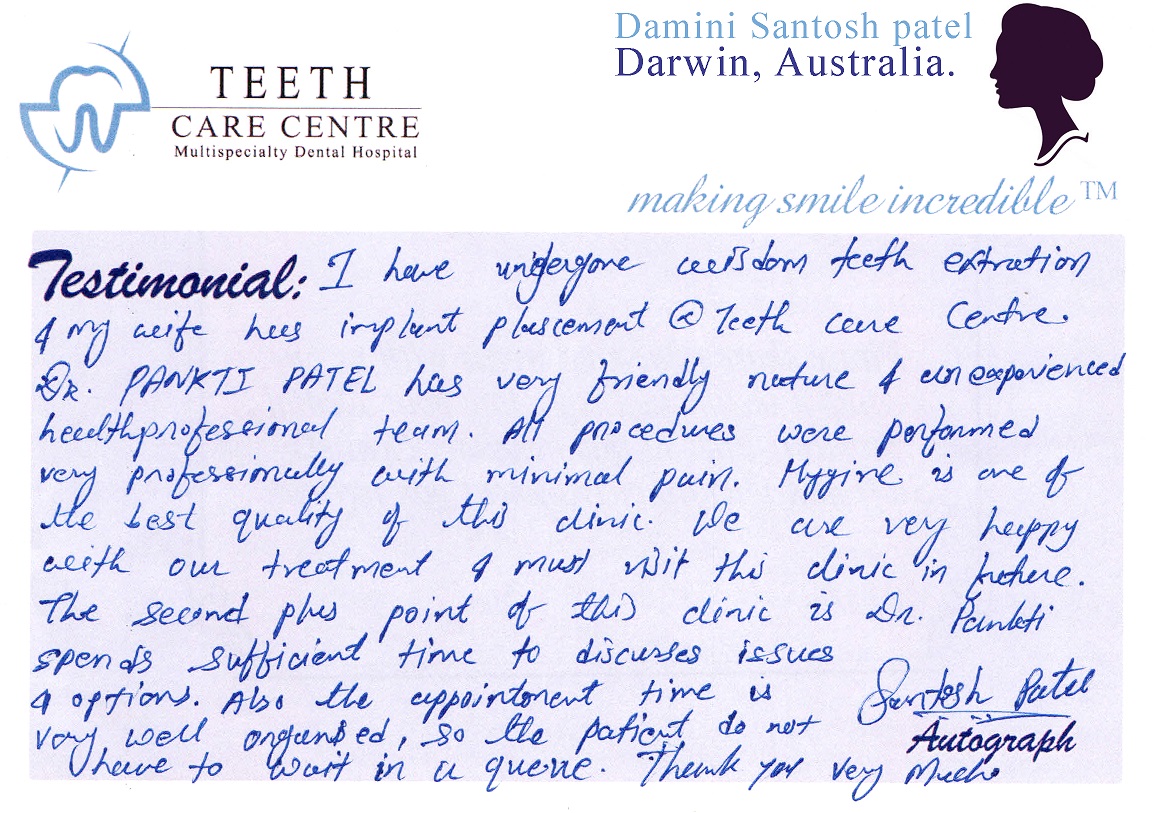
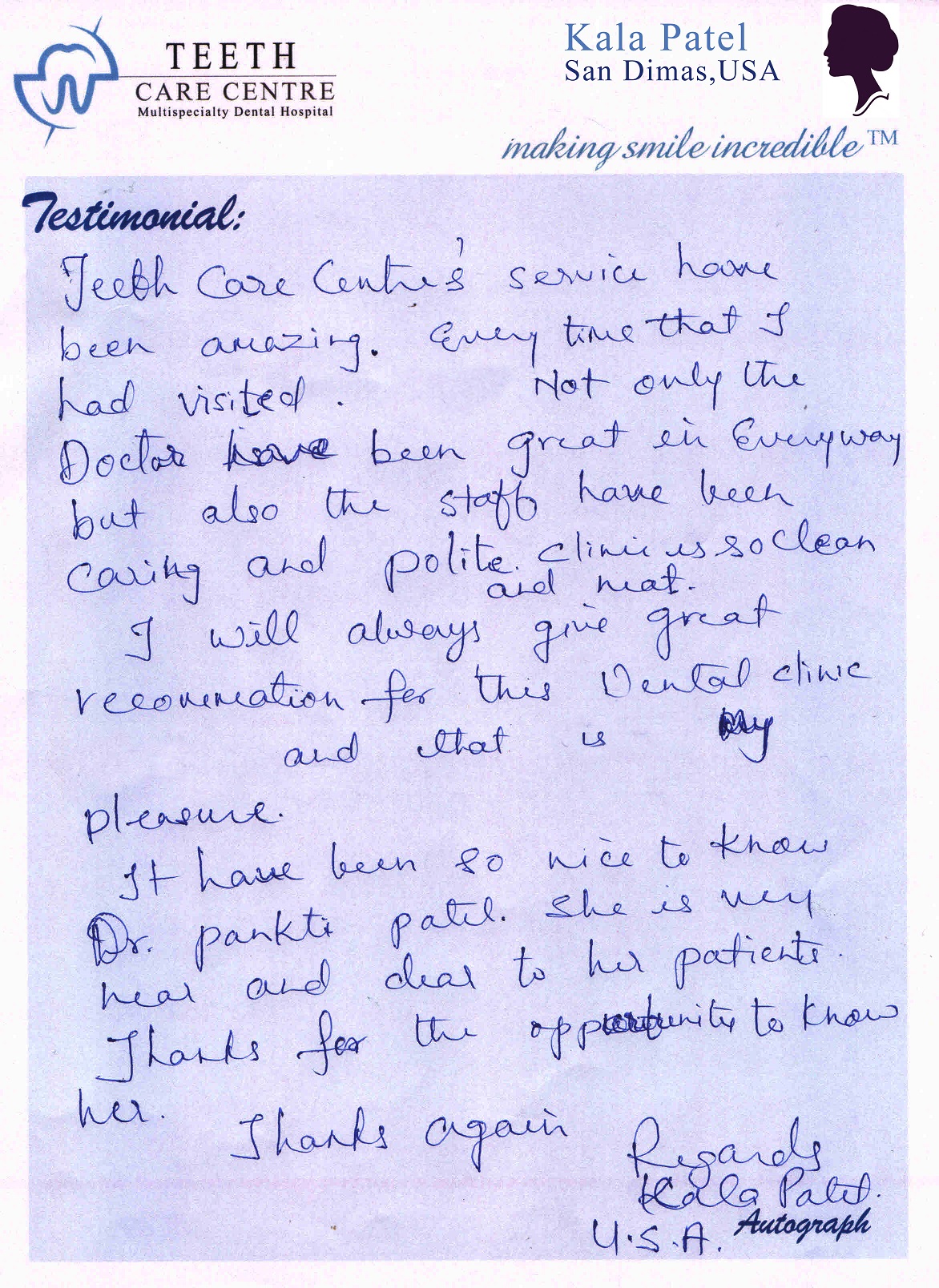
With a plethora of Dental Implant Clinics in India, choosing a good implant dentist in India becomes a cumbersome task. Visit a number of implant clinics if possible, before reaching a conclusion; or you could gather information about them through Internet. The foremost thing you are supposed to be looking for is that the dentist you are opting for is a licensed dentist. A team of effulgent and experienced dentists is another important factor. Before visiting the Implant Dentist; Prepare a set of questions after thorough research, select the clinic that uses latest upgraded technology, has skilled Implant Dentists, has Proficient Implant Prosthesis Specialist, go through the reviews of their dental clinic or hospital, uses the best implant brands along with being economical, and go through the reviews and testimonials of the patients who have undergone implant surgery at the Dental Hospital you opted for.
Why choose Teeth Care Centre® Dental Hospital?
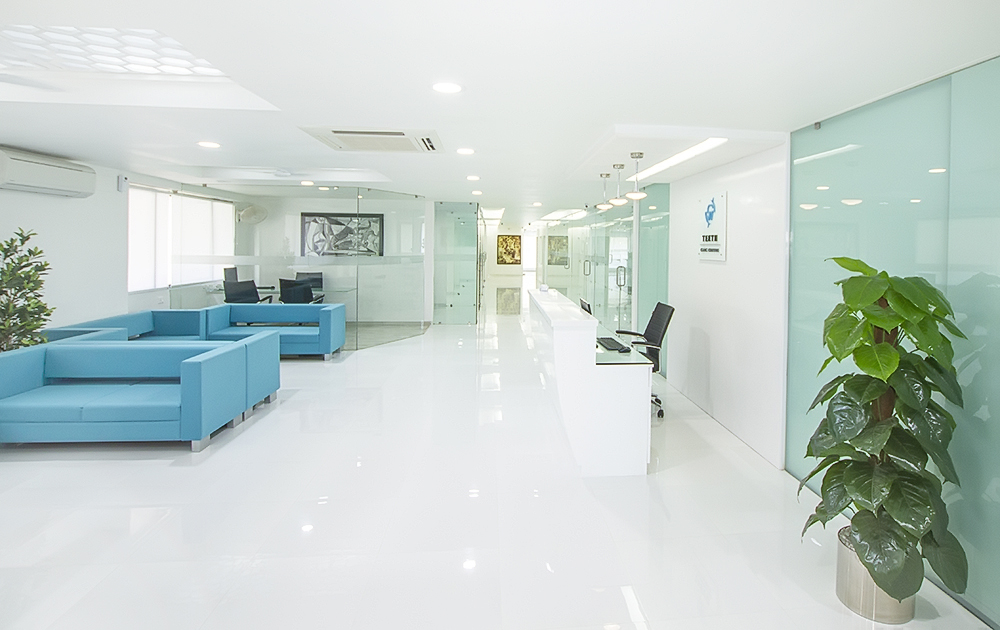
Six Reasons To Choose Teeth Care Centre® Dental Hospital For Dental Implants:
1. Team Approach: For the best outcome, the implant team includes an Implantologist, Periodontist, Prosthodontist, and Oral Surgeon.
2. We do all implant placement by ‘Robotic Guided Surgery’ for precise, painless, bloodless, stitchless, and fast recovery.
3. Painless injection & conscious sedation system to make the whole procedure pain-free.
4. Dental implant success rate >98.7 %
5. World-wide available implant brand, lifetime maintenance possible in the home country.
6. World’s No1 dental implants brand (Nobel Biocare) at the most affordable rates.
Many clinics often claim to have ultra-modern technology, please do not rely them right away. Instead, kindly check whether the equipment they use are a world-renowned brand or substandard.
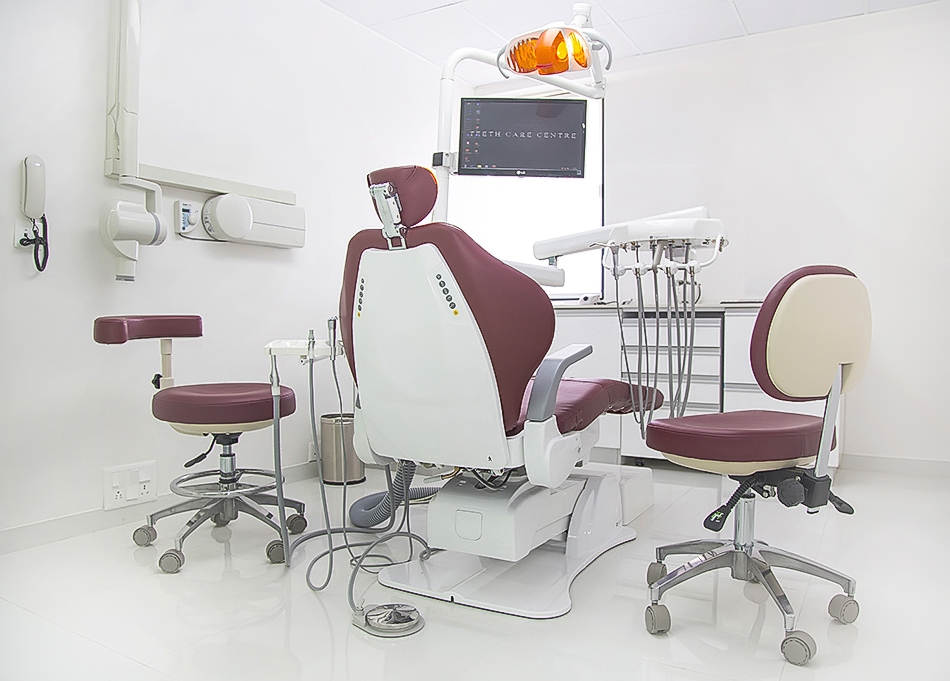

Teeth Care Centre® Dental Hospital keep upgrading the hospital with the latest technologies. The first important factor for any dental procedure is the sterilization. We employ a stringent 7 step sterilization protocol that meets the ADA and CDC Guidelines. We are the only Implant Dentist in Ahmedabad having single patient operatories in order to prevent cross-contamination which is very crucial, especially in surgical procedures like Implant placement. Teeth Care Centre Dental Hospital No.1 Dental Implant Hospital in Ahmedabad has an Audio Visual Patient Education Room, where Dr. Nirav Patel [Fellow – Oral Implantology] and Dr. Pankti Patel, [Fellow of International Congress of Oral Implantologists (USA) {ICOI-USA}, Fellow of Indian Society of Oral Implantologists {ISOI} and member of International Congress of Oral Implantologists {ICOI-USA}] our exceptionally skilled Chief Dentist, explains the entire procedure, the prognosis, treatment outcomes and clears all queries the patient has, regarding the implant procedure. Dr. Pankti Patel has been extensively trained for Graftless Solutions All-on-4 and Zygoma Implants under the mentorship of Dr. Armando Lopes (Portugal) and Dr. Do Thanh An (Vietnam). Dr. Pankti Patel is an internationally trained dental implant specialist who performs advanced robotic guided Implant surgeries like sinus lift, ridge splitting, and bone grafting.
Advantages of Computer Guided Robotic Implant Surgery:
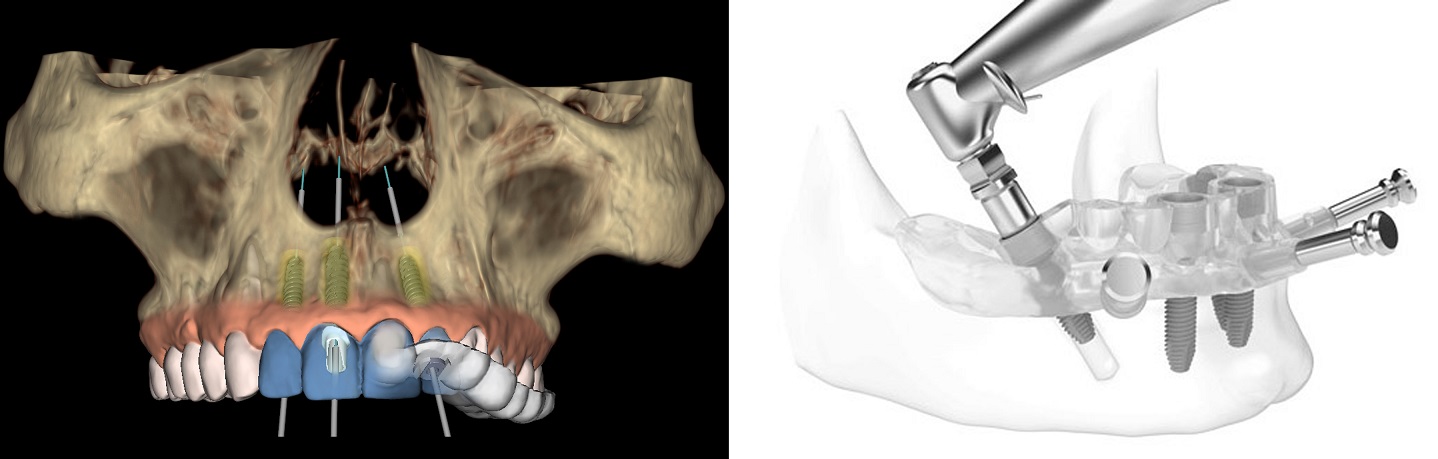
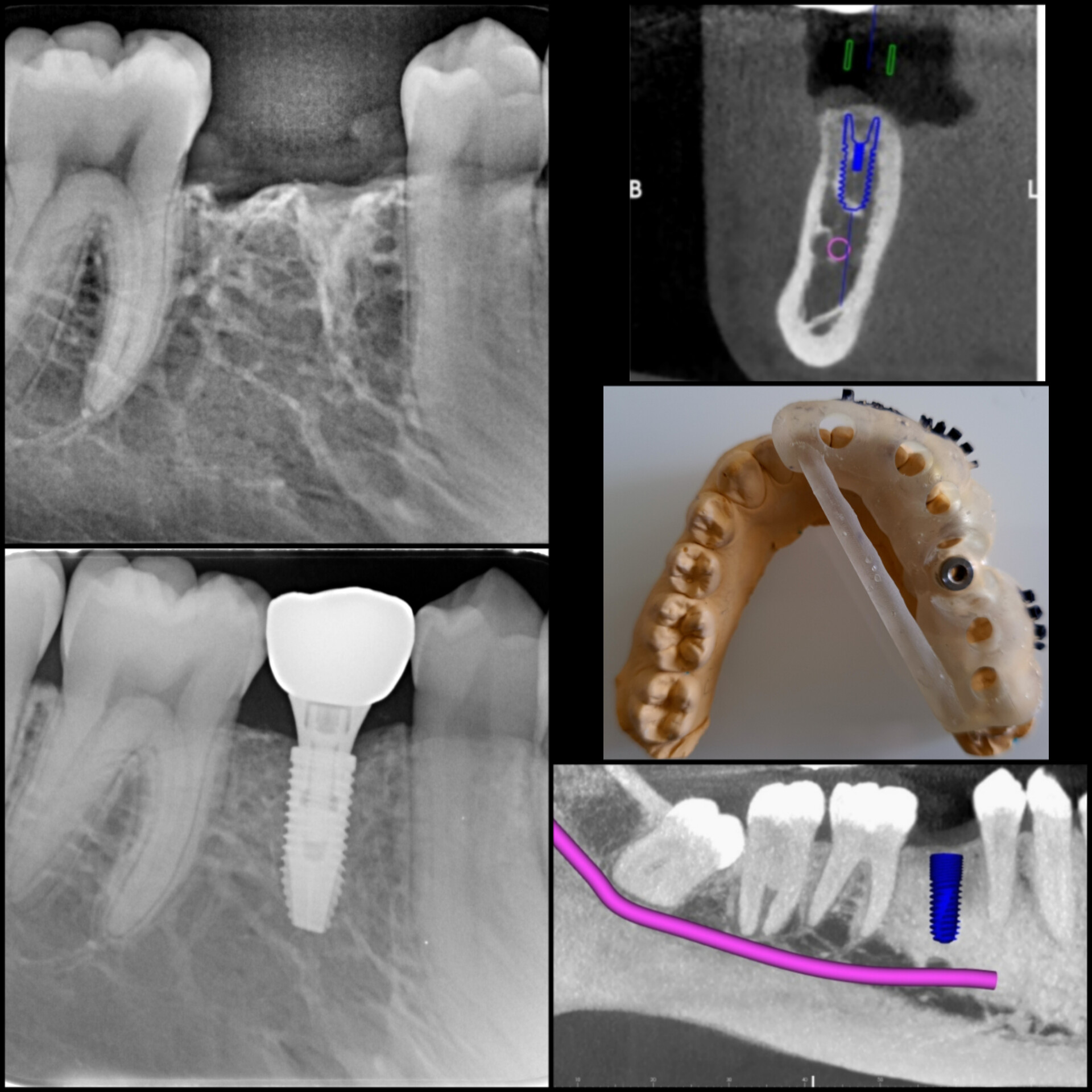
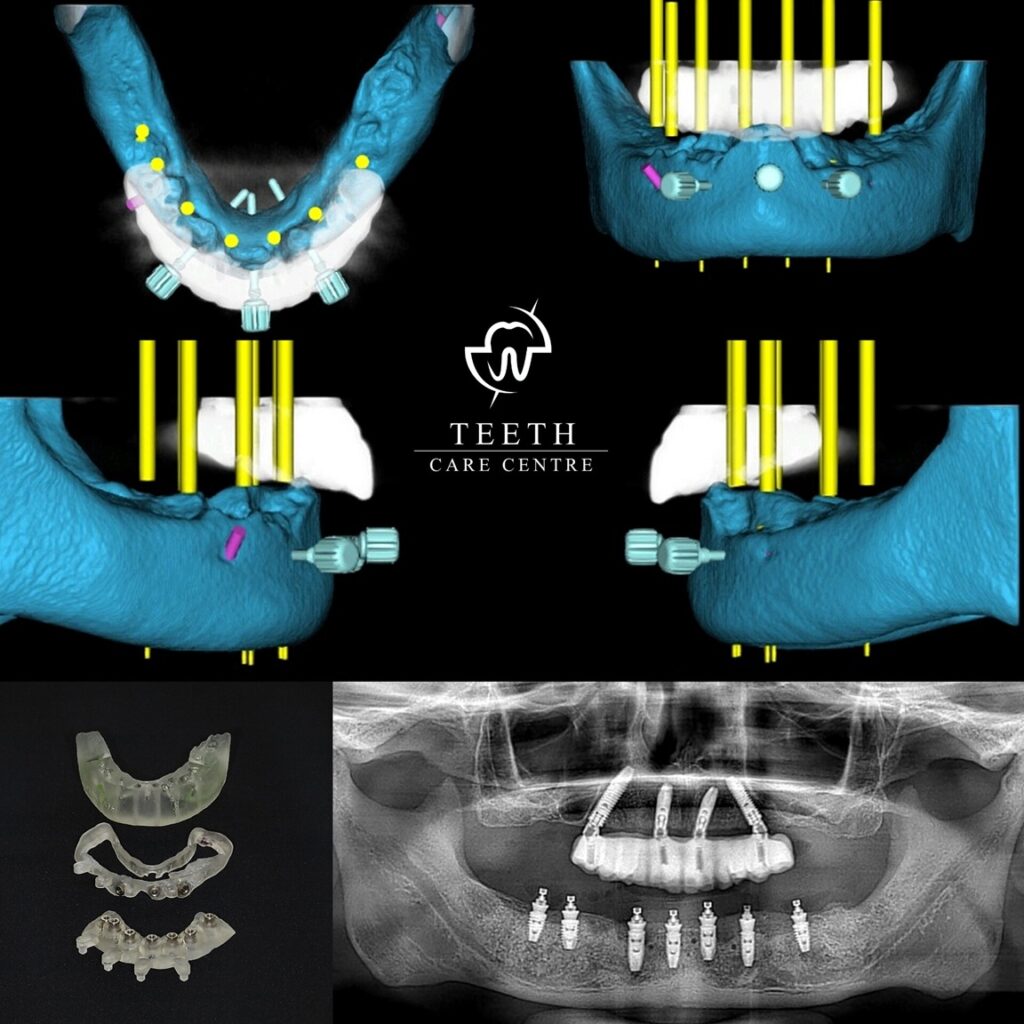
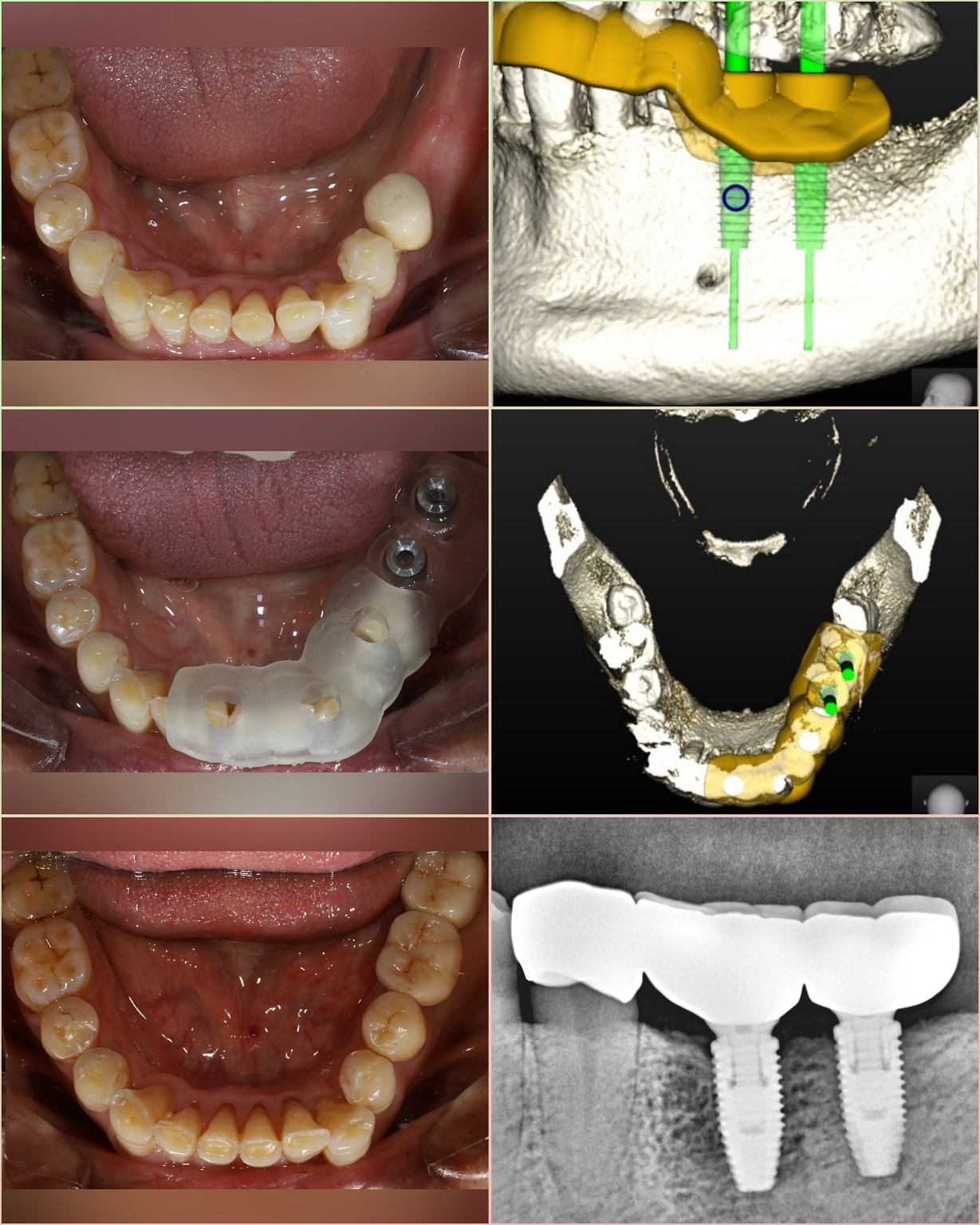
We first create a virtual plan using the implant planning software (Nobel Guide) and also give options of Computer Guided Surgery.
1. No stitches and no gum opening surgery is required.
2. Very fast surgery through the small hole.
3. Less Painful surgery.
4. Very Less post-op discomfort.
5. Flapless procedure – Fast healing.
6. Precise implant placement.
7. No chances of trauma to surrounding vital tissues.
Welcoming Patients from Around the World:

At Teeth Care Centre Dental Hospital, we proudly serve patients from across the globe with world-class dental expertise and compassionate care.
Our team of licensed and highly experienced dentists ensures that your implant treatment is precise, safe, and long-lasting. We have a multidisciplinary panel of specialists including: Oral Surgeon, Cosmetic Surgeon, Periodontist, Implant Prosthesis Specialist.
This collaborative approach guarantees the best possible treatment outcomes with international standards of care.
Our staff members are courteous, well-trained, and continuously guided by senior experienced doctors to maintain excellence in patient service and clinical precision.
Teeth Care Centre Dental Hospital has also been honored with multiple prestigious awards in recognition of innovation, advanced technology, and outstanding patient care — reflecting our commitment to delivering exceptional dental excellence.
We have patients visiting us from countries such as the USA, Australia, Canada, UK, New Zealand, Singapore, Ireland, Qatar, Norway, Bahrain, Denmark, Japan, Austria, Spain, Korea, Oman, UAE, Kenya, South Africa, Russia, Netherlands, and Germany etc.
What is an implant?
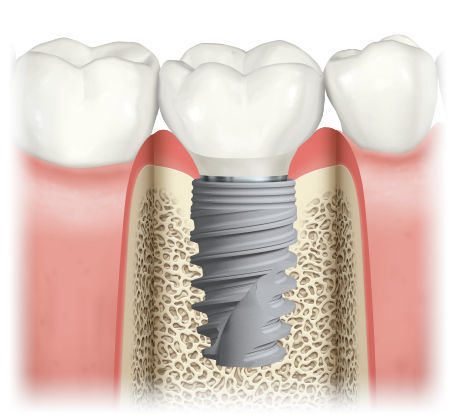
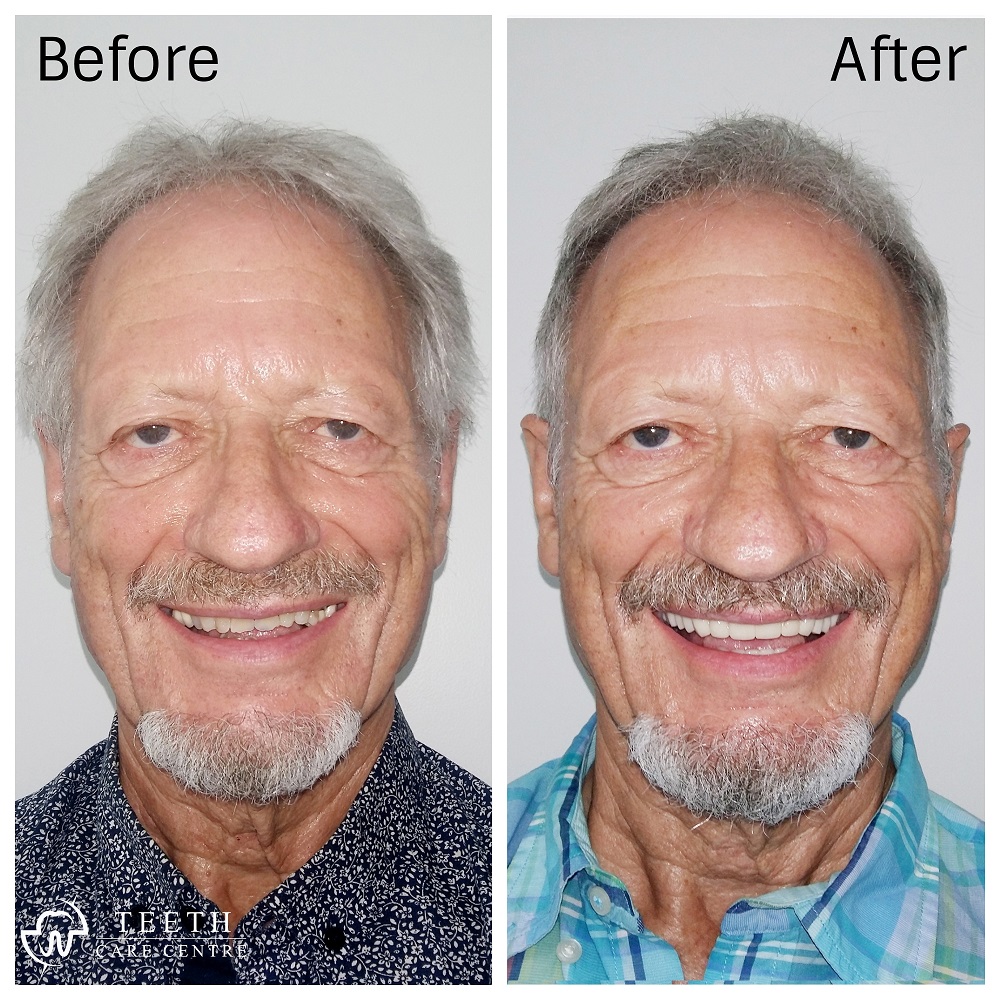
A Dental Implant can be defined as a surgical component which interfaces with the jawbone, in order to support the dental prosthesis such as a crown, a bridge or a denture. The major benefit of an implant is that it preserves neighbouring teeth and the jawbone, prevents jaw bone resorption, restores the missing tooth and the supporting structures, replaces it in such a way that it almost serves like a natural tooth, in form and function. It also retains your natural face shape and smile.
Advantages of having dental implants:
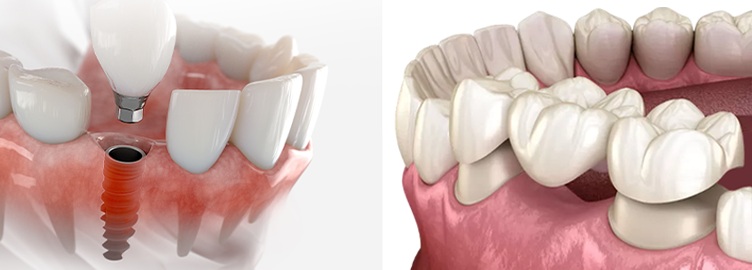
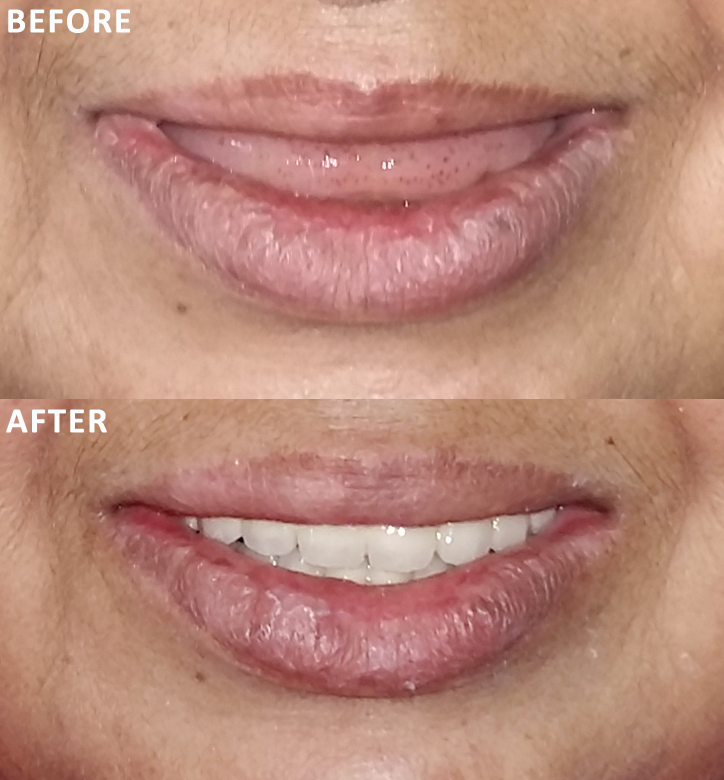
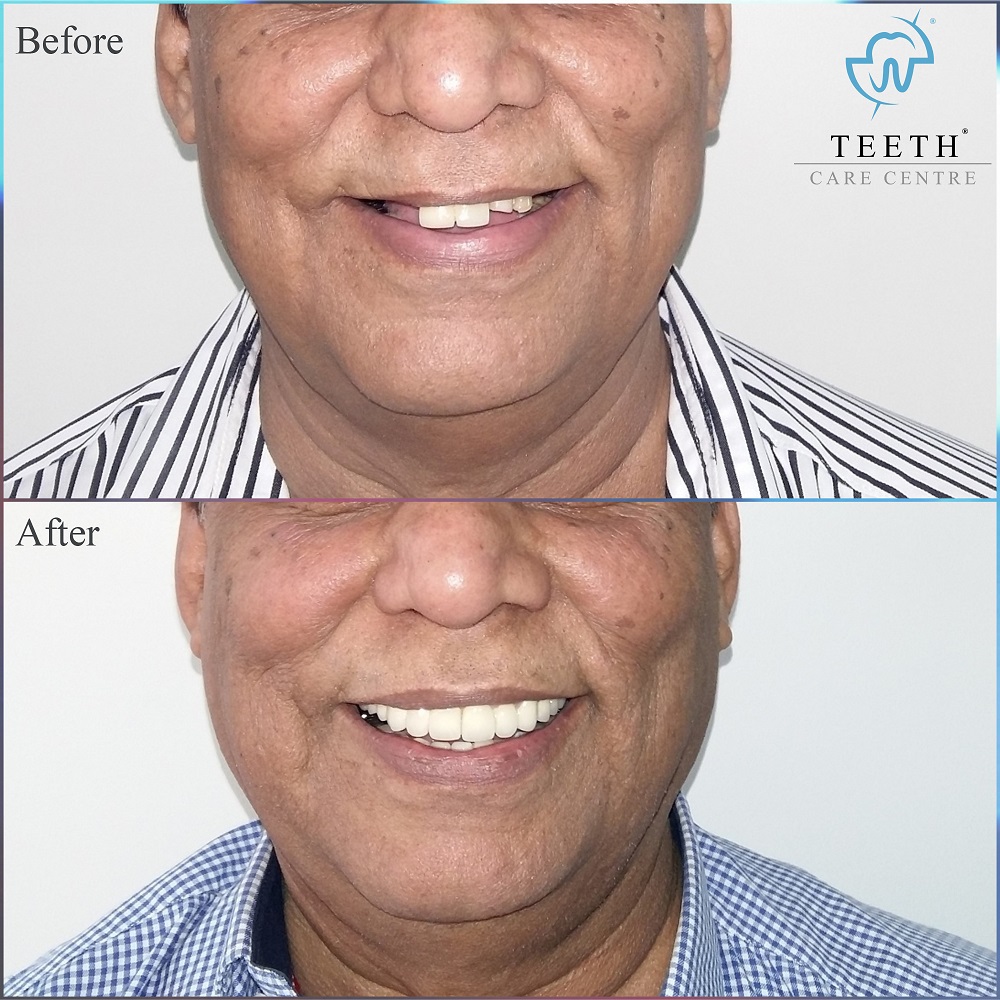
- Implants improve your overall appearance and prevent facial sagging and premature ageing.
- Implants fuse to the jaw bone upon their placement and thereby look and act like your own natural teeth.
- Unlike ill-fitting dentures which impair your speech, implants enable you to speak properly without lisping away.
- Implants do not slide away like dentures and enable you to eat your favourite food without slipping away or causing any hindrance.
- Unlike bridges, Implants save the adjacent teeth from filing, as they do not need to be anchored to the neighbouring teeth for support.
- Implants prevent the bone loss beneath the missing teeth and keep the bone intact.
- Owing to their stability, implants provide support to the single tooth as well as dental bridges and dentures also.
- If missing last tooth, there is free end and it is impossible to make a fixed bridge without implant.
Which are the top Implant Brands?
TOP BRAND: NOBEL BIOCARE, STRAUMANN
MID RANGE: ZIMMER, HIOSSEN, BIO HORIZON
Why does the dental implant brand matters?
Osseo-integration ratio is very high in top implant brands, so there are less chances of failure.
There are many other important factors that needs careful consideration while choosing a good implant brand and that includes.
- Production methods, their material, design and surface treatment which is essential for good biocompatibility with hard and soft tissue.
- There are wider choices of fitting abutments and prosthesis to suit patient’s unique requirements.
- Support/service is very important factor, always choose the brand which is globally available so one can get service anywhere. Some brands are not available globally, in that case, you have to visit the same dentist in the future for a simple job also which is expensive later on.
- Reputable brands plough a lot of money in high-level research work so that it can provide innovative products for long term clinical predictability and more successful outcomes.
What is the difference between Single Visit vs Multiple Visit implants?
Single visit / One Day / Immediate Load implant means implant placement and crown/bridge in single visit. Whereas, multiple visit means two or more visits are required. In multiple visit implants, dentist may want to wait several weeks before placing the crown/bridge on the implant. This is because your bone needs to heal and fuse with the implant.
Single visit implant is not an option for you when you have less mass of bone, smoking, have an autoimmune disease, bruxism, oral hygiene issues, chronic disease, clenching, prescription bisphosphonate drugs; in such cases multiple visits are required.
Many clinics advertise “single-visit dental implants” or “teeth-in-a-day” to attract patients, but not everyone is a suitable candidate for this procedure. In some cases, a two-stage implant approach may be necessary for the best results. It is always advisable to discuss your individual case with your dentist in advance and confirm whether a single-visit implant is appropriate for you before starting treatment.
FAQs
Does implant brand matter?
False Answer: Does not matters.
True Answer: Implant brand equally matters along with the doctor’s skill. Only a doctor’s skill matter is a false statement.
How long does implant last?
False Answer: Life time.
True Answer: If proper care is taken, then the implant will last for a very long time, maybe your entire life. Implant’s life proportionality depends on the maintenance and care taken by the patient.
Does implant require maintenance?
False Answer: No.
True Answer: Implants are subject to normal wear and tear and require periodic maintenance. When cared for properly, implants should last lifetime. Proper oral hygiene and regular dental visits are essential to the success of your implant.
Are implants suitable for everybody?
False Answer: Yes.
True Answer: Almost everyone is a candidate for dental implants. Conditions like heavy smoking/tobacco use, uncontrolled diabetes, advanced gum infection etc. may be considered only after a specific problem has been solved. But there are very few situations in which implants are not suitable.
How successful are good brand dental implants?
False Answer: 100%
True Answer: Success rate of more than 95% for single teeth and close to 100% for implant bridges.
What are the factors affecting Implant Costing?
- BRAND & TYPE OF THE IMPLANT EMPLOYED BY THE DENTIST: This plays a crucial role in reducing the failure rates of the implant. The best brands have exceptional durability in contrast to brands that are cheap with a significantly high failure rate. The type of abutment, the material of the artificial prosthesis employed also is an important factor.
- LOCATION OF THE IMPLANT DENTIST: It is not practical to undergo a treatment in a country where you do not reside. This poses a problem only if you opt for a dentist who employs local implant brands which are not used by the good implant dentists. If you opt for a dentist who employs best implant brands employed worldwide, you could continue the post operative services at the place you reside.
- EFFULGENT DENTAL SURGEONS: Not so experienced dentists will cost you the minimum, and may employ implant brands and placement techniques that might have a deteriorating effect. Therefore, always opt for highly efficient and well-experienced implant dentist for best results.
- NUMBER OF IMPLANTS: This depends on the number of missing teeth. Greater the number of missing teeth, higher the number of implants, and therefore higher the cost.
In case of full mouth implants, it’s always advisable to go with the maximum number of implants possible for a long-lasting result and it will reduce future expenses on implants and prostheses.
Types of dental implant treatment solutions:
Implants can be used to replace any number of missing teeth from single to full mouth.
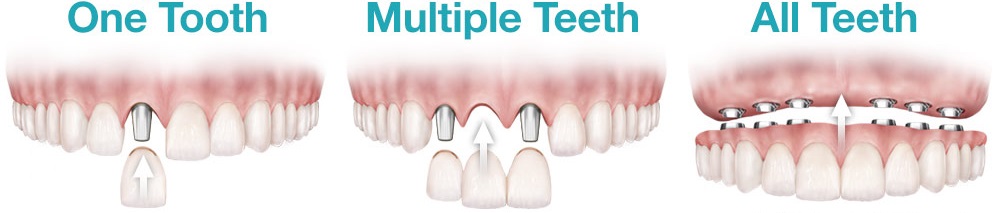
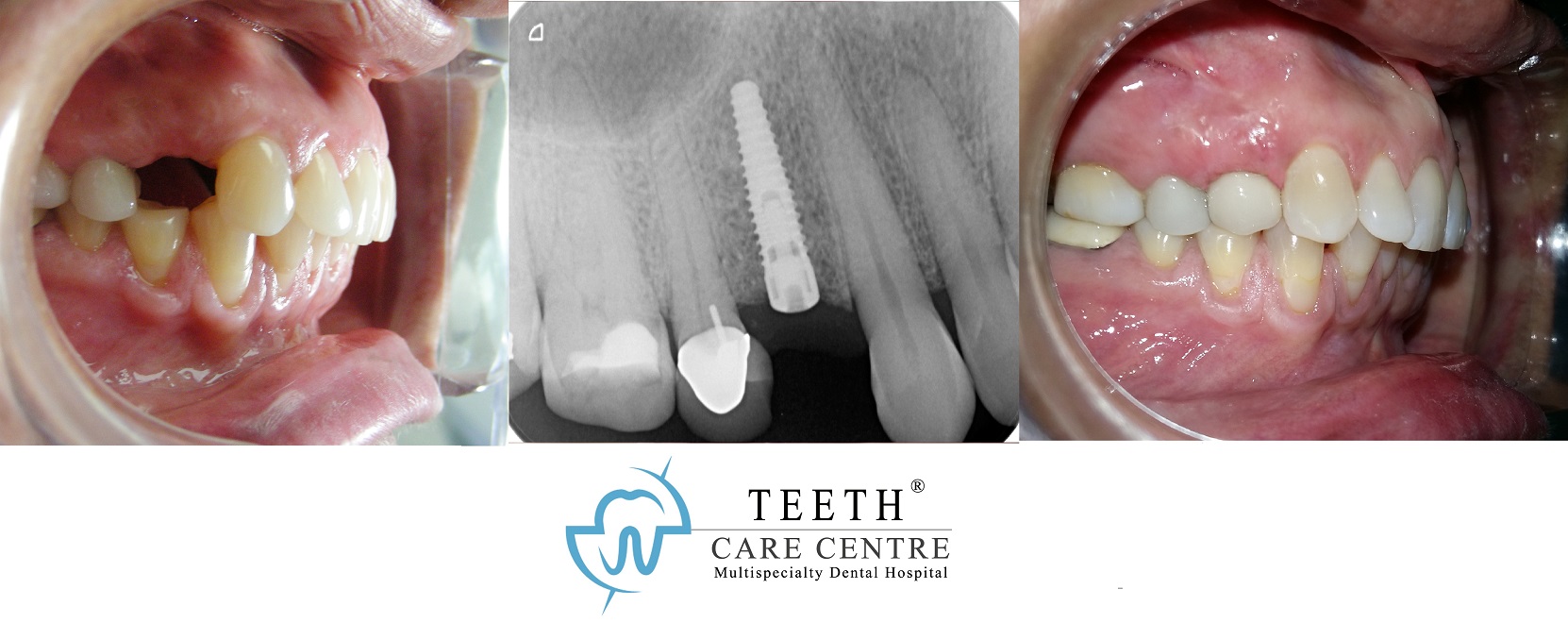
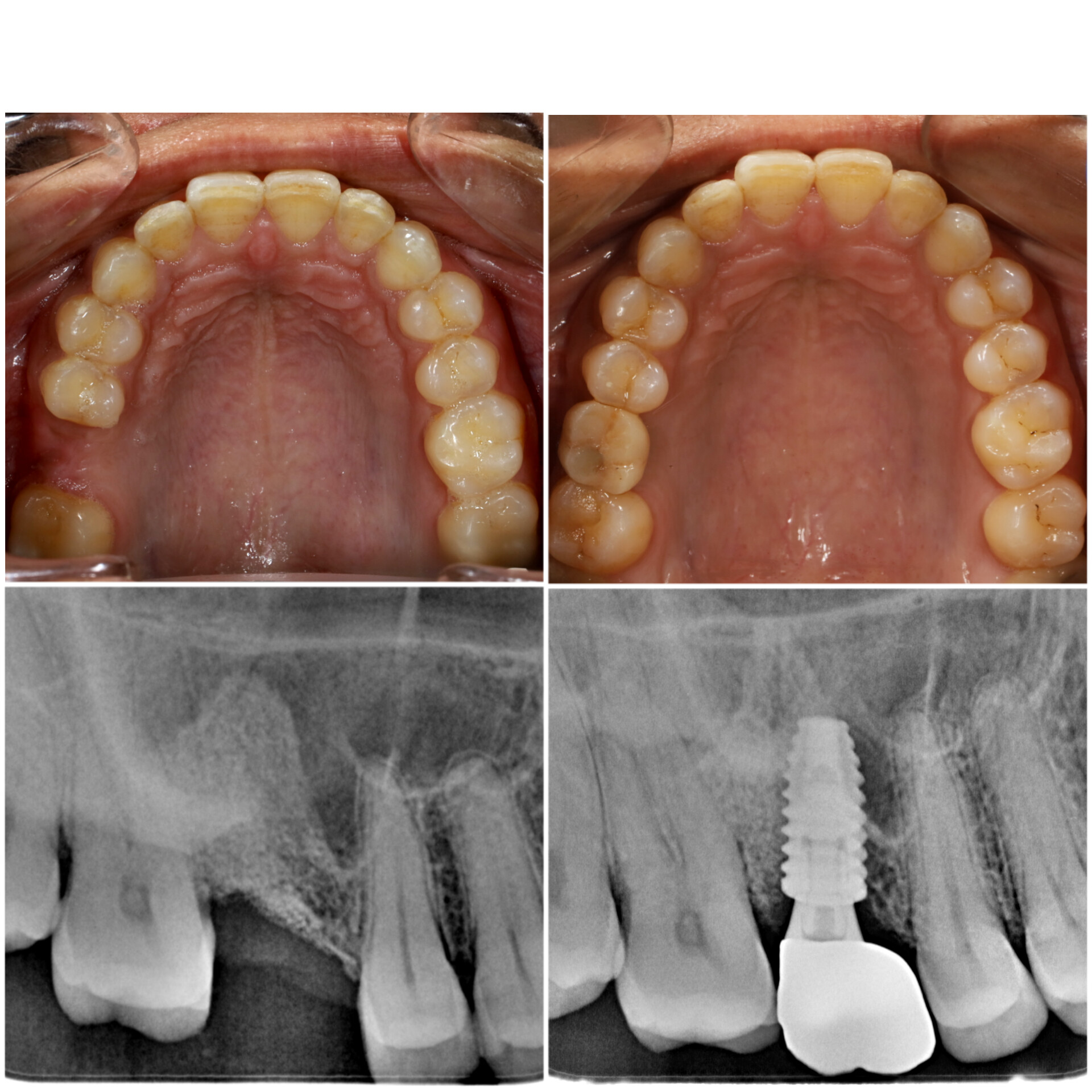
Single tooth implants – If you are only missing one tooth, a single titanium implant is implanted, which supports a single crown.
Multiple teeth implants – If you are missing several teeth, multiple tooth implants may require. The exact number needed will be determined after assessment of mouth.
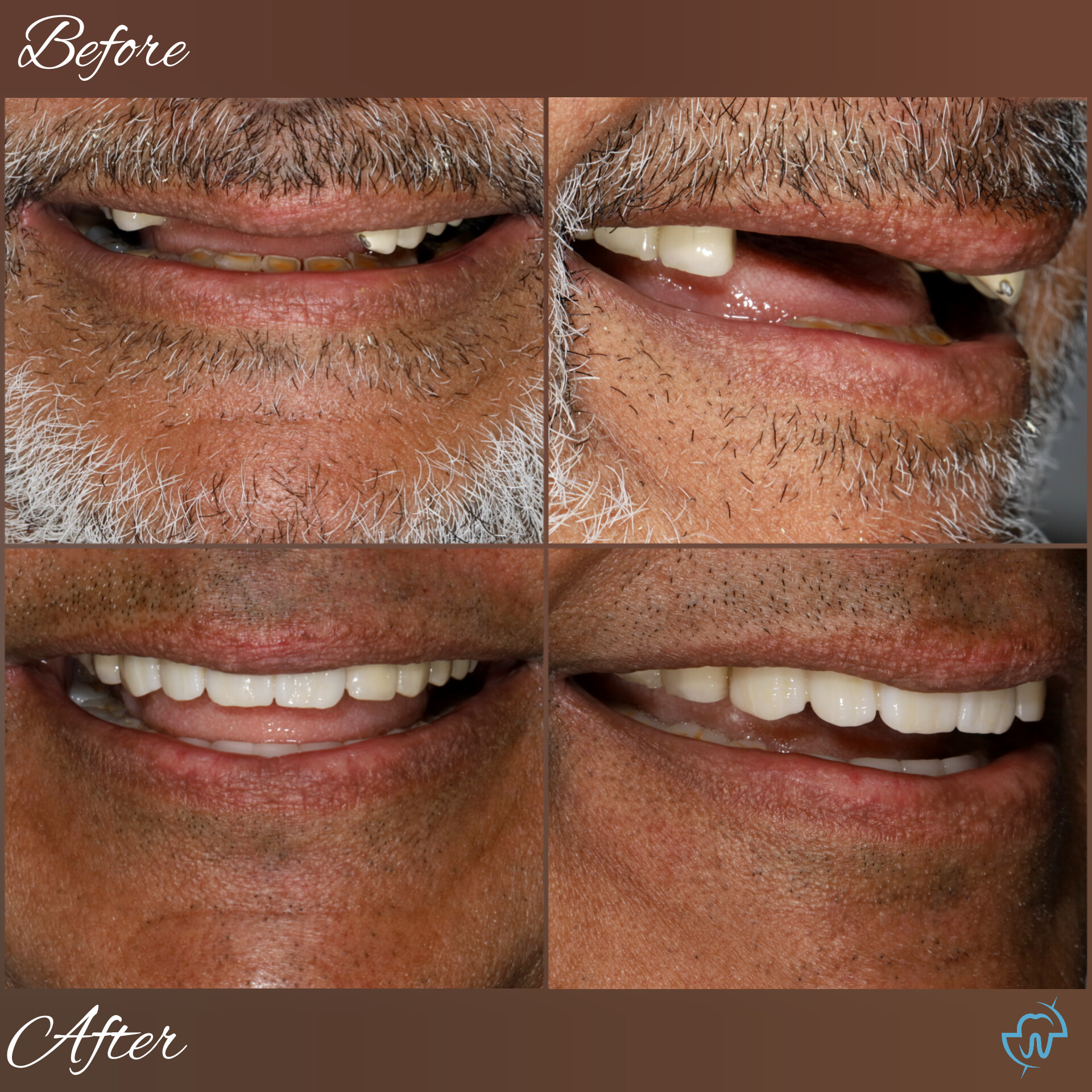
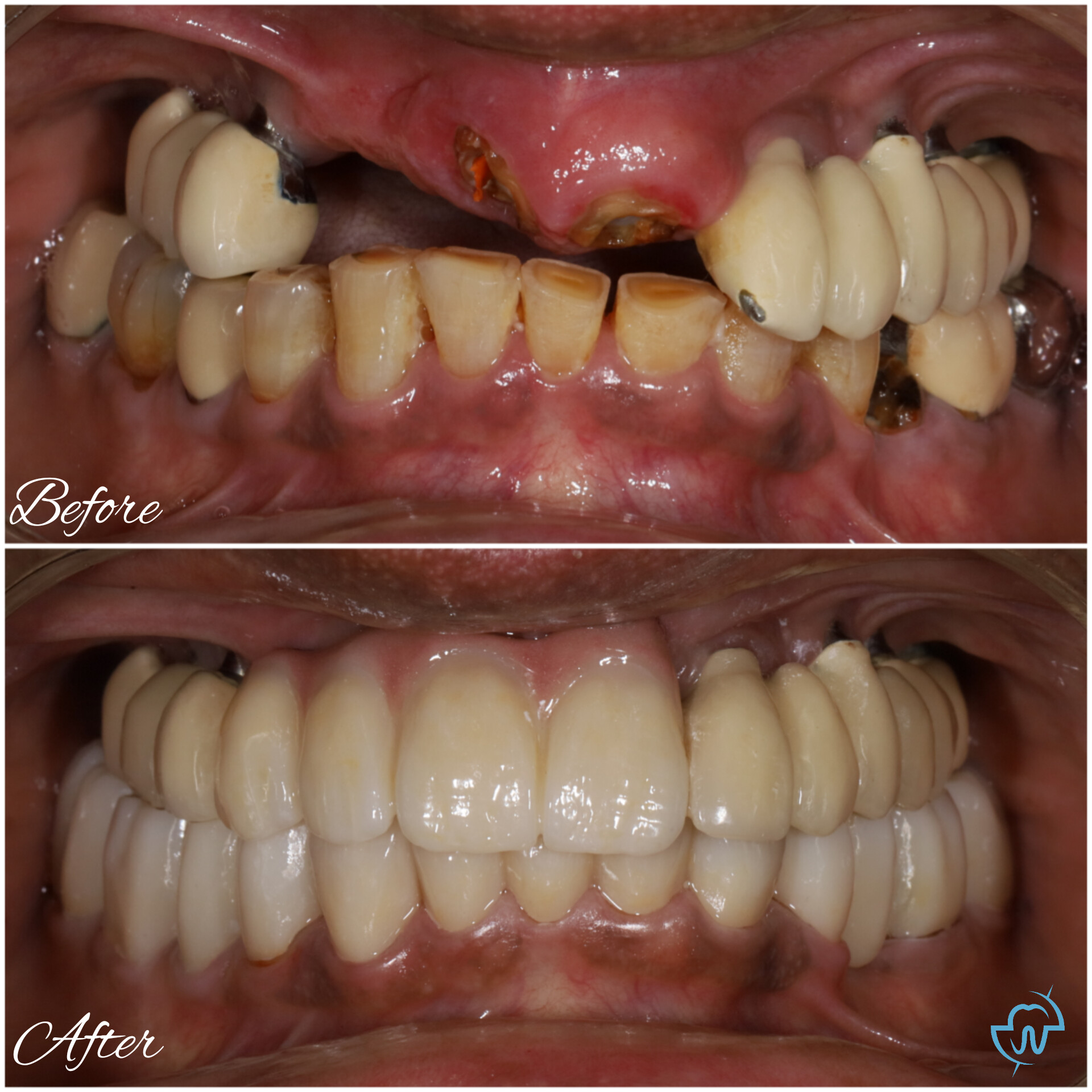
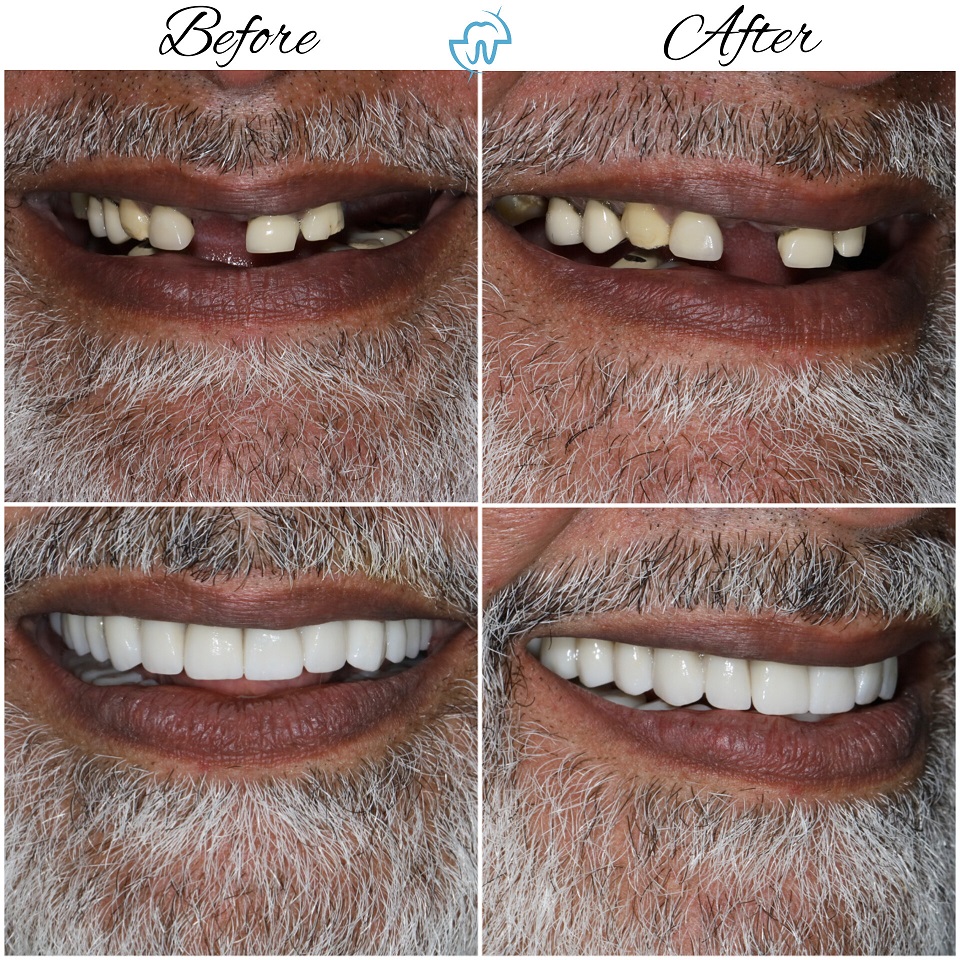
Full mouth Implants – If you are missing all of your teeth, an implant supported fixed denture or bridge is option for you. Replacement of teeth typically needs 6 (All-on-6) to 8 implants to support prosthesis.
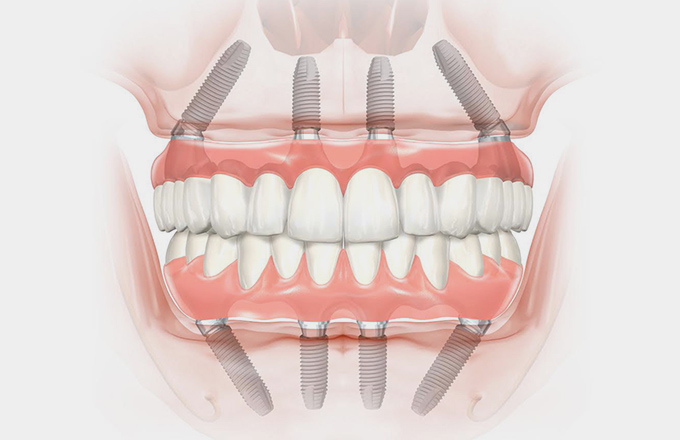
All-on-4® Implants – Its a unique concept in which full mouth restoration is done on two tilted and two straight implants without any additional surgeries like sinus lifting or nerve repositioning. The difference, however, is that these implants are often used when you do not have enough bone in your jaw and so not possible with regular dental implants.
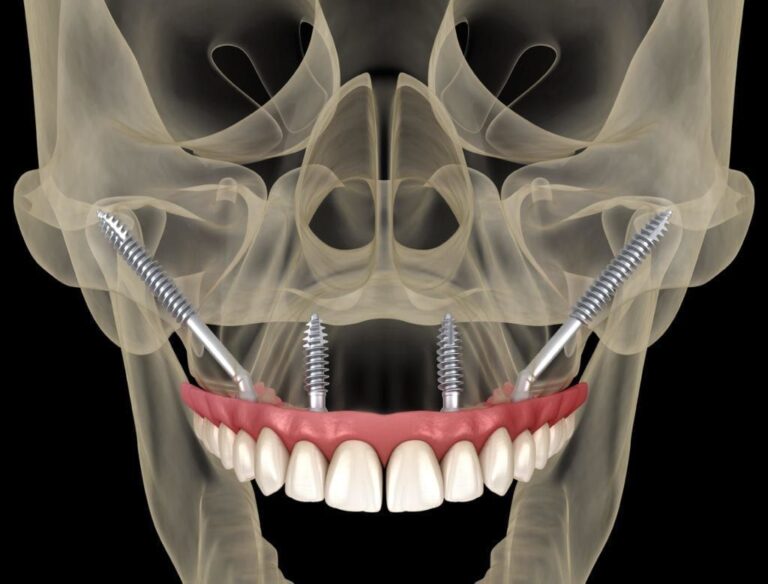
Zygomatic implants – are an alternative to rehabilitate the atrophic edentulous maxilla as well as for maxillectomy defects. One zygomatic implant is placed on each side of the maxilla in combination with 2-4 conventional implants in the anterior region. For the totally resorbed maxilla, when placement of anterior implants is not possible, 2 additional zygomatic implants (Quad zygoma) are placed. Click Here to know more about Zygomatic Implants.
- AESTHETIC CONSIDERATION – If you are looking for best aesthetic result, we provide variety of aesthetic options at each level to ensure natural look but that is expensive as compared to regular one.
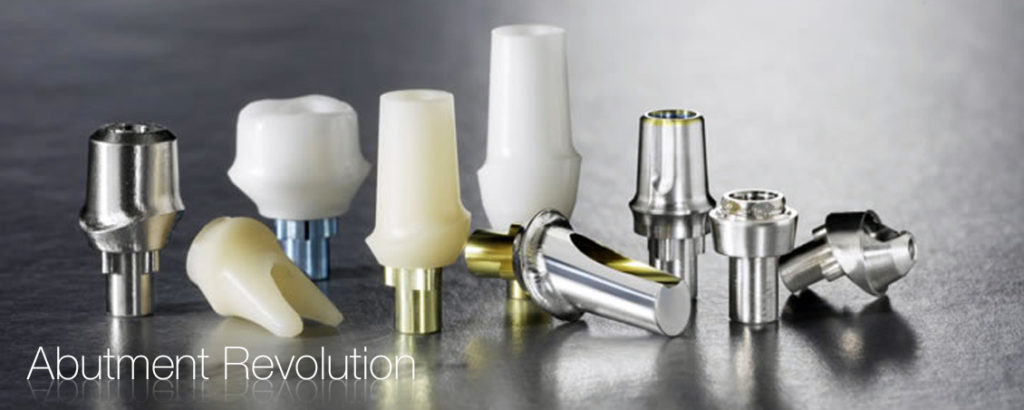
- OTHER EVALUATIONS REQUIRED DURING THE PROCEDURE: Bone graft procedures might be required in case of bone atrophy. Extraction of compromised teeth, which might pose a threat to the success rate of the implant could be required. Also, radiographic evaluation like x-rays and CT scans cost additional. These additional costs should be taken into consideration.
- RIDGE AUGMENTATION PROCEDURES: Teeth Care Centre Dental Hospital performs advanced and guided augmentation of deficient and atrophic ridges like ridge splitting for narrow ridges and sinus lift for bone loss due to sinus pneumatization, to attain utmost precision and accuracy while performing Maxillofacial and implant surgeries in Ahmedabad.
Guarantee And Warranty?

Providing a guarantee/warranty is a clear violation of the Medical Councils Code of Ethics Regulation. A promise of a money-back guarantee is frequently misleading because they usually refund only a portion of the patient’s money or have some reasons to not refund the money back if the desired outcome does not occur. Any advertisements that involve such financial plans should contain enough information that prospective patients are neither misled nor unduly induced to seek services at that clinic. The only guarantee one can expect is that reasonable skill and resources will be used for the treatment.

Nobel Biocare is one of the oldest brands used in Dental worldwide. It is Swiss in origin and currently, a No.1 in the dental implant industry. It is produced from commercially pure titanium. It is employed for Single implant surgeries, multiple implant surgeries such as implant supported plates, bridges, and specialized systems. For example All-on-4, This brand has unmatched durability, excellent bone integration, and formation, as well as highly superior implant stability. It has a Xeal abutment surface for enhanced mucointegration and TiUnite surface and TiUltra surface which enhances Osseointegration, even when the conditions are challenging. As Nobel Biocare is a Dental Implant brand used worldwide, we opt for it, so that the postoperative follow-ups for patients visiting us from abroad becomes easier for them, as they can consult dentists who employ Nobel Biocare. We provide our patients with the best prosthetic crowns, bridges, abutments, manufactured at NobelProcera, which remains a leader in manufacturing dental prosthesis.
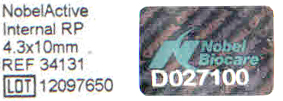
How to check authenticity of Nobel Biocare Implants?
Ask for Nobel Biocare Hologram Sticker from your implant dentist.
Why should you opt for a Dental Implant in India?
This gap in the cost of dental implants along with the quality of dental services provided in India as compared to the other countries is the reason why people from all over the world travel to India to get their dental implant treatment done. Employing international standards and protocols become the core to achieve success at an International level and become the preferred dental tourism destination.
| NAME OF THE COUNTRY | % OF HIGH PRICE THAN INDIA |
| NEW ZEALAND | 500% |
| AUSTRALIA | 500% |
| CANADA | 450% |
| UNITED STATES | 400% |
| UK | 350% |
| JAPAN | 350% |
| MAXICO | 200% |
| INDIA | 100% |
Points to Consider Before Choosing Treatment Abroad: Click Here
Dental Implant Cost in Ahmedabad:
| CITY | Tissue Level | Bone Level | Full Mouth One Arch |
| Delhi | INR 39000 – 55000 ($ 460 – 650) | INR 50000 – 65000 ($ 590 – 765) | INR 380000 – 650000 ($ 4500 – 7650) |
| Mumbai | INR 40000 – 55000 ($ 470 – 650) | INR 50000 – 65000 ($ 590 – 765) | INR 400000 – 700000 ($4700 – 8250) |
| Goa | INR 35000 – 50000 ($ 410 – 590) | INR 45000 – 65000 ($ 530 – 765) | INR 350000 – 650000 ($ 4150 – 7650) |
| Ahmedabad – Other Clinics | INR 23000 – 34000 ($270 – 400) | INR 30000 – 36000 ($ 350 – 425) | INR 200000 – 350000 ($2350 – 4120) |
| Ahmedabad –Teeth Care Centre® – Brand: Nobel Biocare | INR 43000 ($505) | INR 43000 ($ 505) | INR 350000 – 500000 ($ 4150 – 5900) |
| Zygomatic Implant with Prosthesis | INR | US$ |
| Per Jaw | 900000 | $10600 |


Contact Us: Teeth Care Centre Dental Hospital, 2nd Floor, Pushpak66, Near Someshwar Jain Temple, 132ft Ring Road, Satellite, Ahmedabad 380015, India.
Call: +919377783384 | +917878783384
https://teethcarecentre.com/contact-us/
Advanced Dental Implant Technology 2026: Digital Planning, Bone Assessment and Implant Placement in Ahmedabad
Dental implants can replace missing teeth by supporting a crown, bridge, or denture, but successful treatment begins with a detailed assessment of the mouth and general health. Patients researching a dental implant clinic Ahmedabad providers operate should ask how the team evaluates bone volume, gum condition, bite forces, and the reason the tooth was lost. An implant is a small fixture placed in the jawbone that can support a replacement tooth after the surrounding bone has integrated with it. Unlike a conventional removable denture, an implant-supported restoration is anchored to the jaw, although it still requires daily cleaning and professional maintenance. An implant dentist Ahmedabad patients consult may use dental examination, conventional X-rays, and three-dimensional imaging when indicated to assess the proposed implant site. Cone-beam computed tomography can help reveal bone dimensions and the location of important anatomical structures in cases where three-dimensional information is needed. Digital planning may also support the selection of implant position and the design of a suitable restoration. However, technology does not eliminate the need for clinical judgement, appropriate surgical technique, and careful follow-up. Patients looking for a dental implant surgeon Ahmedabad specialist should discuss whether the proposed treatment is straightforward or may require additional procedures. Bone grafting may be considered when the jaw does not have enough suitable bone for the planned implant, while selected cases may be managed with alternative implant positioning or restoration designs. Gum disease should be controlled before implant placement because periodontal inflammation can affect the long-term health of the surrounding tissues. Smoking, poorly controlled diabetes, certain medications, and a history of periodontal disease may influence healing or complication risk, so a complete medical history is essential. Patients should disclose all medicines and supplements rather than stopping prescribed medication on their own. Teeth implants Ahmedabad treatment plans vary depending on the number of missing teeth, bone conditions, and whether the restoration is a single crown, bridge, or full-arch prosthesis. Some patients can receive a temporary tooth during the healing period, while others need to wait before the implant can safely support a restoration. Immediate implant placement or immediate loading may be suitable in selected situations, but neither is appropriate for every patient. The timing depends on factors such as initial implant stability, infection, bone quality, and the planned restoration. Patients should ask their implant dental surgeon Ahmedabad provider to explain the expected sequence, healing period, alternatives, and possible complications. After surgery, temporary swelling, tenderness, and minor bleeding can occur, but increasing swelling, fever, uncontrolled bleeding, or worsening pain should prompt professional review. Once the final tooth is fitted, careful cleaning around the implant is necessary to reduce plaque accumulation and inflammation. Special interdental brushes or other cleaning aids may be recommended according to the restoration’s shape. Regular maintenance appointments allow the dental team to monitor the implant, gums, bite, and prosthetic components. Implant-supported teeth do not develop cavities in the same way as natural teeth, but the surrounding tissues can still become inflamed and lose supporting bone. A reliable teeth implants clinic Ahmedabad patients select should provide a clear maintenance plan alongside the surgical and restorative stages. The best implant outcome depends on careful patient selection, appropriate planning, healthy supporting tissues, and consistent long-term care.