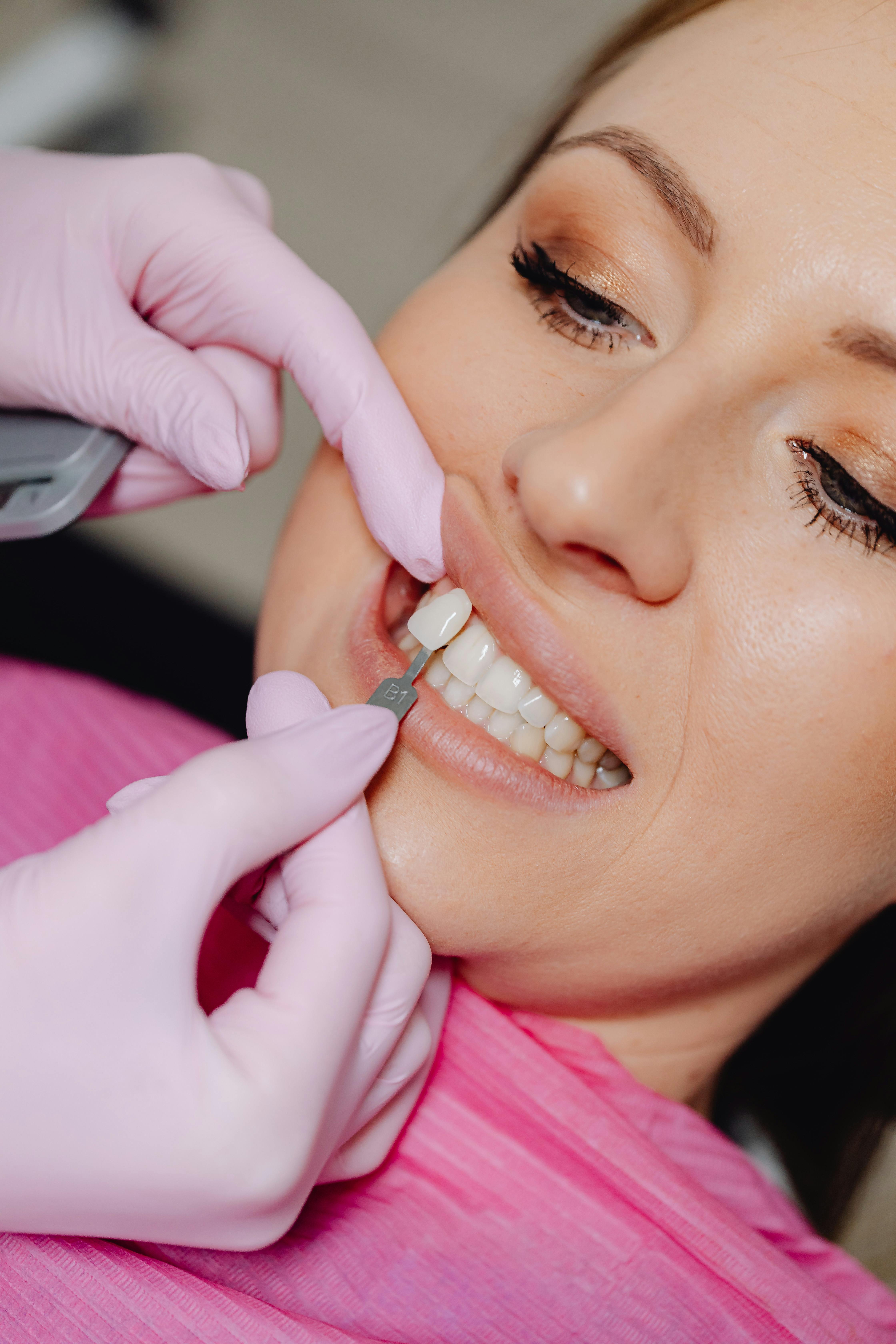
A brighter smile can enhance your confidence and improve your overall appearance. However, teeth whitening is not a one-size-fits-all treatment. Understanding whether you are a suitable candidate is the first step toward achieving safe, effective, and long-lasting results.
What Is Teeth Whitening?
Teeth whitening is a cosmetic dental treatment designed to lighten the natural color of your teeth and reduce stains or discoloration. Professional whitening treatments use clinically proven whitening agents to brighten teeth safely and effectively under a dentist’s supervision.
Who Is an Ideal Candidate for Teeth Whitening?
You may be a good candidate for teeth whitening if you have healthy teeth and gums and are looking to improve the appearance of your smile.
1. People With Surface Stains
Teeth whitening works best on extrinsic stains, which affect the outer layer of the teeth. These stains are commonly caused by:
Coffee and tea
Red wine
Tobacco use
Dark-colored foods and beverages
Poor oral hygiene
Natural aging
Professional whitening at Teeth Care Centre, the best dental clinic in Ahmedabad, can significantly improve these types of discoloration.
2. Individuals With Yellow-Toned Teeth
Teeth with a yellowish appearance typically respond better to whitening treatment than teeth with gray or brown discoloration.
3. Adults With Good Oral Health
Candidates should have:
Healthy gums
No active tooth decay
No untreated cavities
No signs of gum disease
A dental examination with Dr. Pankti Patel, the best cosmetic dentist in Ahmedabad, is essential before whitening to ensure your mouth is healthy enough for treatment.
4. People Looking for Cosmetic Smile Enhancement
Teeth whitening is an excellent option for individuals preparing for:
Weddings
Job interviews
Special occasions
Professional photo shoots
Social events
It is also suitable for anyone who wants a brighter, more youthful-looking smile.
Who May Not Be a Suitable Candidate?
Teeth whitening may not be recommended for everyone.
Children and Teenagers: Whitening is generally advised only after the permanent teeth have fully developed.
Pregnant or Breastfeeding Individuals: Although there is limited evidence of harm, many dentists recommend postponing cosmetic whitening treatments during pregnancy and breastfeeding as a precaution.
People with Dental Restorations: Crowns, veneers, bridges, and tooth-colored fillings do not respond to whitening agents. If you have visible restorations, your dentist may recommend alternative cosmetic treatments to ensure a uniform appearance.
Individuals with Tooth Sensitivity: If you experience significant tooth sensitivity, whitening may require special precautions or alternative treatment options.
People With Intrinsic Stains: Discoloration caused by factors such as dental trauma, certain medications, excessive fluoride exposure, or developmental conditions may not respond well to conventional whitening treatments.
Why a Dental Consultation Is Important
A professional evaluation helps determine the cause of discoloration and identifies the most effective treatment option for your smile. Your dentist will assess:
The type and severity of staining
Your oral health condition
Existing dental restorations
Your treatment goals and expectations
This personalized approach ensures safe treatment and predictable results.
Tips for Maintaining Whitening Results
After whitening, you can help maintain your brighter smile by:
Brushing twice daily with fluoride toothpaste
Flossing regularly
Limiting staining foods and beverages
Avoiding tobacco products
Scheduling regular dental check-ups and cleanings
The best candidates for teeth whitening are adults with healthy teeth and gums who want to improve the appearance of stained or discoloured natural teeth. Since every smile is unique, a professional dental consultation is the best way to determine whether teeth whitening is right for you and to achieve safe, effective, and long-lasting results.
Teeth Care Centre Dental Hospital in Ahmedabad has become highly popular among foreign patients due to its combination of advanced technology, international treatment standards, and personalized care. The clinic offers world-class dental solutions such as smile makeovers, dental implants, Invisalign aligners, root canal treatments, and full mouth rehabilitation using the latest digital, laser, and microscopic techniques. What attracts international patients the most is the ability to receive the same quality of treatment available in countries like the USA, UK, and Australia at a significantly lower cost, often saving up to 60–80%. In addition, the hospital is well known for its efficient appointment system, minimal waiting time, and the ability to complete complex treatments within a short duration, which is ideal for patients traveling from abroad with limited time.
Foreign aspirants in Ahmedabad choose Teeth Care Centre Dental Hospital because it provides a complete dental solution under one roof along with a luxury, patient-focused experience. Every patient receives detailed consultation, customized treatment planning, and long-term oral health guidance rather than quick temporary fixes. The clinic’s reputation for maintaining strict sterilization protocols, international hygiene standards, and transparent communication further builds trust among global patients. Many international visitors also combine their dental treatment with tourism, making Ahmedabad an emerging hub for dental tourism.
A major reason why foreigners prefer Teeth Care Centre is the expertise of Dr. Pankti Patel and Dr. Nirav Patel, who are regarded among the best dentists in Ahmedabad. Dr. Pankti Patel is internationally recognized for her excellence in cosmetic dentistry and smile makeovers, known for creating natural, aesthetic, and celebrity-level smiles with global certifications and advanced training. Dr. Nirav Patel is a highly skilled orthodontist specializing in braces, aligners, and complex dental corrections, known for his precision and attention to detail. Both doctors are appreciated for their honest treatment approach, painless techniques, and strong focus on patient comfort, which builds long-term trust among international patients.
Patients visiting Teeth Care Centre Dental Hospital come from a wide range of countries including the United States, United Kingdom, Canada, Australia, New Zealand, UAE, Saudi Arabia, Kuwait, Qatar, Singapore, Japan, and many parts of Europe and Africa. A significant number of Non-Resident Indians (NRIs) also travel from abroad specifically for treatment at the clinic, often combining it with visits to family and vacations in India. Overall, Teeth Care Centre Dental Hospital has established itself as a global destination for high-quality, affordable, and advanced dental care, making it a top choice for foreign patients seeking the best dental treatment in Ahmedabad.
We have clients from around the globe.
ગુજરાત ગુજરાતી માટે દાંતની સારવાર માટે અમદાવાદમાં શ્રેષ્ઠ ડેન્ટિસ્ટ ક્લિનિક.
Best Dentist Clinic in Ahmedabad for Dental Treatment for United Kingdom British.
Meilleure clinique dentaire à Ahmedabad pour les soins dentaires en France française.
Melhor Clínica Dentista em Ahmedabad para Tratamento Dentário em Portugal Português.
Beste Zahnarztklinik in Ahmedabad für Zahnbehandlungen in Deutschland Deutsch.
Najlepsza klinika dentystyczna w Ahmadabadzie do leczenia stomatologicznego dla Polaków, Polaków.
Mejor Clínica Dental en Ahmedabad para Tratamiento Dental en España Español.
Bästa tandläkarkliniken i Ahmedabad för tandvård för Sverige svenska.
Лучшая стоматологическая клиника в Ахмадабаде по лечению зубов в России. Русский.
Clionaig Fiaclair as Fheàrr ann an Ahmedabad airson Làimhseachadh Fiaclaireachd airson Alba Albannach.
Beste tannlegeklinikk i Ahmedabad for tannbehandling for Norge norsk.
Clinic Fiaclóir is Fearr in Ahmedabad le haghaidh Cóireála Fiaclóireachta d’Éirinn na hÉireann.
La migliore clinica dentistica ad Ahmedabad per cure dentistiche per l’Italia.
日本人の歯科治療に最適なアーメダバードの歯科医院。
Bescht Zänndokter Klinik zu Ahmedabad fir Zännbehandlung fir Lëtzebuerger Lëtzebuerger.
艾哈迈达巴德最好的牙医诊所,为中国华人提供牙科治疗。
한국인을 위한 치과 치료를 위한 아메다바드 최고의 치과의원입니다.
Beste tandartskliniek in Ahmedabad voor tandheelkundige behandelingen voor Nederlanders.
أفضل عيادة طبيب أسنان في أحمد آباد لعلاج الأسنان باللغة العربية.
Bedste tandlægeklinik i Ahmedabad for tandbehandling for Danmark dansk.
Best dentist in Ahmedabad. Top dental clinic of Ahmedabad. World class dentistry.
अहमदाबाद में सर्वश्रेष्ठ दंत चिकित्सक। अहमदाबाद का शीर्ष दंत चिकित्सा क्लिनिक। विश्व स्तरीय दंत चिकित्सा।
अहमदाबाद में सर्वश्रेष्ठ दंत चिकित्सक।अहमदाबाद के शीर्ष दंत चिकित्सा।विश्वस्तरीय दंत चिकित्सा।
Optimus dentist in Ahmedabad. Top dentalis inhaero Ahmedabad. Orbis genus dentist.
أفضل طبيب أسنان في أحمد آباد. أعلى عيادة طب الأسنان في أحمد آباد. طب الأسنان على مستوى عالمي.
艾哈迈达巴德最好的牙医。艾哈迈达巴德的顶级牙科诊所。世界一流的牙科。
Meilleur dentiste à Ahmedabad. Meilleure clinique dentaire d’Ahmedabad. Dentisterie de classe mondiale.
Bester Zahnarzt in Ahmedabad. Top-Zahnklinik in Ahmedabad. Weltklasse-Zahnmedizin.
Fiaclóir is fearr in Ahmedabad.Clinic fiaclóireachta barr Ahmedabad Fiaclóireacht den chéad scoth.
アーメダバードで最高の歯科医。アーメダバードで最高の歯科医院。世界クラスの歯科。
Il miglior dentista di Ahmedabad. La migliore clinica dentale di Ahmedabad. Odontoiatria di livello mondiale.
아메다바드 최고의 치과의사 아메다바드 최고의 치과병원 세계적 수준의 치과
Beschten Zänndokter zu Ahmedabad. Top Zännklinik vun Ahmedabad. Weltklass Zänndokter.
Beste tannlege i Ahmedabad. Topp tannklinikk i Ahmedabad. Tannbehandling i verdensklasse.
Najlepszy dentysta w Ahmadabadzie Najlepsza klinika stomatologiczna w Ahmadabadzie Stomatologia na światowym poziomie.
Beste tandarts in Ahmedabad. Top tandheelkundige kliniek van Ahmedabad. Tandheelkunde van wereldklasse.
Melhor dentista em Ahmedabad. Melhor clínica odontológica de Ahmedabad. Odontologia de classe mundial.
El mejor dentista en Ahmedabad. La mejor clínica dental de Ahmedabad. Odontología de clase mundial.
Лучший стоматолог в Ахмадабаде.Лучшая стоматологическая клиника Ахмадабада.Стоматология мирового класса.
Contact Details – Dental Clinic in Ahmedabad for Foreigner : Teeth Care Centre Dental Hospital 2nd Floor, Pushpak66, Near Someshwar Jain Temple, 132 Feet Ring Road, Satellite, Ahmedabad, Gujarat, INDIA – 380015
Latest International Dental Care Guide 2026: How Foreign Visitors Can Plan Safe, Convenient Dental Treatment in Ahmedabad International visitors living in or travelling to Ahmedabad may need dental care for an unexpected toothache, a broken filling, routine maintenance, or treatment planned before returning home. Finding a dental clinic for foreigner Ahmedabad visitors can comfortably access involves considering clinical qualifications, communication, treatment planning, and arrangements for follow-up. A dentist for foreigner Ahmedabad patients choose should be able to explain the diagnosis, available treatment options, expected appointments, and possible complications in language the patient understands. Before booking, international patients can ask whether the clinic can accommodate their preferred language or provide written explanations in English. It is also useful to confirm the dentist’s professional registration, relevant clinical experience, and the procedures available at the practice. Dental treatment for foreigner Ahmedabad visitors require should begin with a medical history review, including current medication, allergies, previous dental procedures, and any conditions that could affect healing. Patients should bring recent dental X-rays, treatment records, prescriptions, and details of any ongoing dental problem whenever these are available. These records can help the dentist understand previous treatment and avoid unnecessary duplication of investigations. However, new examinations or imaging may still be needed when the existing records are incomplete or the clinical situation has changed. Travellers experiencing swelling, severe toothache, trauma, or signs of infection should seek prompt assessment rather than delaying care until their travel plans are finalized. For planned procedures such as crowns, implants, or extensive restorative treatment, the dentist should explain how many visits may be required and whether the treatment can be completed safely within the available stay. Some procedures require healing periods, laboratory work, or follow-up adjustments, making a short visit unsuitable for completing every stage. A dentist for expats Ahmedabad residents consult should also discuss what happens if pain or a complication develops after the patient has returned to their home country. Patients should request copies of their diagnosis, relevant X-rays, procedure details, material information when available, and post-treatment instructions before departure. These records can help another dentist continue care if further treatment becomes necessary. International patients should clarify the treatment estimate, payment methods, and whether any separate costs may apply to investigations, temporary restorations, medicines, or follow-up visits. They should also check whether their travel insurance or health coverage includes dental treatment, since many policies exclude routine or planned dental procedures. A dental clinic for expats Ahmedabad patients choose should explain consent forms and provide an opportunity to ask questions before any procedure begins. Patients should never feel pressured to approve extensive treatment without understanding the alternatives and expected outcomes. Maintaining regular brushing, cleaning between teeth, and attending follow-up appointments remain important after treatment, even when travelling internationally. For long-distance travellers, the dentist may recommend arranging a review before departure when clinically appropriate. Visitors receiving antibiotics or other medication should follow the prescribed instructions and ask about possible side effects or interactions. Cosmetic procedures should be planned with realistic expectations because shade matching, laboratory fabrication, and healing may require additional time. A clear communication plan, complete documentation, and realistic scheduling can make dental care easier to manage across international borders. Choosing a suitable provider means prioritizing clinical safety and continuity of care rather than selecting treatment solely because it appears convenient during a trip.
Dental implants have become the gold standard for replacing missing teeth, offering excellent aesthetics, function, and long-term durability. However, one of the most common concerns patients have before undergoing implant treatment is, “Will my dental implant be successful?”
Most patients believe that the implant itself is the only factor that determines success. In reality, the prosthesis (implant crown) plays an equally important role in ensuring the implant remains healthy and functional for decades.
At Teeth Care Centre, Ahmedabad, we believe that a successful implant is the result of the perfect combination of surgical precision, premium implant systems, and world-class prosthetic restorations. Patients looking for the Best implant dentist in India understand that the quality of both the implant and the prosthesis is essential for achieving predictable, long-lasting outcomes.
Understanding Dental Implant Success
A dental implant consists of three essential components:
The Implant: A titanium fixture placed into the jawbone.
The Abutment: The connector between the implant and the crown.
The Prosthesis: The visible crown, bridge, or denture that replaces the missing tooth.
While much attention is given to the implant itself, the prosthesis is the component that receives chewing forces every day. If it is poorly designed or fabricated using inferior materials, it can negatively affect the health and longevity of the implant.
What Happens After Implant Placement?
Following implant surgery, the implant undergoes a biological process known as osseointegration. During this healing phase, the implant fuses directly with the surrounding jawbone, creating a strong and stable foundation similar to the root of a natural tooth.
Once osseointegration is complete, a prosthetic crown is attached to the implant. The long-term success of this restoration depends greatly on the quality, precision, and design of the prosthesis.
Why Does the Quality of the Prosthesis Matter?
Every time you chew, bite, or grind your teeth, significant pressure is transferred to the implant.
A premium-quality prosthesis is engineered to:
Distribute biting forces evenly.
Protect the implant and surrounding bone.
Prevent excessive stress on implant components.
Maintain healthy gums around the implant.
Deliver superior aesthetics and comfort.
Patients searching for the best clinic for dental implants should look beyond implant placement alone and consider the quality of the prosthetic restoration. A well-designed prosthesis helps preserve bone, protects the implant, and enhances long-term stability.
Risks of Using Poor-Quality Implant Prosthesis
Choosing a lower-quality prosthesis may initially seem like a cost-saving option, but it often results in expensive complications later.
Possible problems include:
Fracture or chipping of the crown.
Loosening of the abutment screw.
Wear of implant components.
Excessive pressure on the surrounding bone.
Bone loss (bone resorption).
Implant mobility.
Eventual implant failure.
Once bone around an implant is lost, restoring it is challenging. Although bone grafting procedures can help rebuild lost bone, they cannot completely replace the quality and strength of your natural bone.
Precision Matters as Much as Materials
Even the finest prosthesis cannot compensate for an improperly placed implant.
Successful implant treatment requires:
Thorough clinical examination.
Digital treatment planning.
Accurate implant positioning.
Proper angulation.
Correct bite (occlusion).
Precision-fit prosthetic restoration.
Improper implant positioning can create excessive mechanical stress during chewing, causing gradual bone loss around the implant and reducing its lifespan.
Dental Implants Are a Long-Term Investment
Unlike removable dentures or conventional bridges, dental implants are designed to serve patients for many years.
Choosing treatment based solely on price can become a costly mistake. A failed implant often requires:
Implant removal.
Bone grafting procedures.
Several months of healing.
Placement of another implant.
Additional restorative treatment.
This means greater expense, more appointments, and additional discomfort that could often have been avoided with proper planning and premium materials.
How to Maximize the Success of Your Dental Implant
Patients can significantly improve the longevity of their implants by:
Ensuring high-quality prosthetic components are used.
Maintaining excellent oral hygiene.
Attending regular professional check-ups.
Avoiding smoking and tobacco use whenever possible.
Following all post-operative instructions carefully.
Why Choose Teeth Care Centre, Ahmedabad?
At Teeth Care Centre, Satellite, Ahmedabad, we believe that successful dental implant treatment is achieved through a combination of clinical expertise, advanced technology, and uncompromising quality.
Dr. Pankti Patel and Dr. Nirav Patel use Nobel Biocare, one of the world’s most trusted and scientifically documented implant systems. For implant restorations, we use Procera prosthetic solutions, renowned globally for their precision, strength, and exceptional fit.
Unlike restorations fabricated using lower-quality local alternatives, our prostheses are designed to provide optimal function, aesthetics, and long-term durability. If you are looking for high-quality dental prosthesis in Ahmedabad, choosing restorations made with precision-engineered materials can significantly improve implant longevity and aesthetics.
Our multidisciplinary team includes specialists in Oral and Maxillofacial Surgery, ensuring that every implant is planned and placed with meticulous precision using evidence-based techniques.
When you choose Teeth Care Centre, you’re choosing quality, experience, advanced technology, and a commitment to long-lasting results that help protect your smile for years to come.