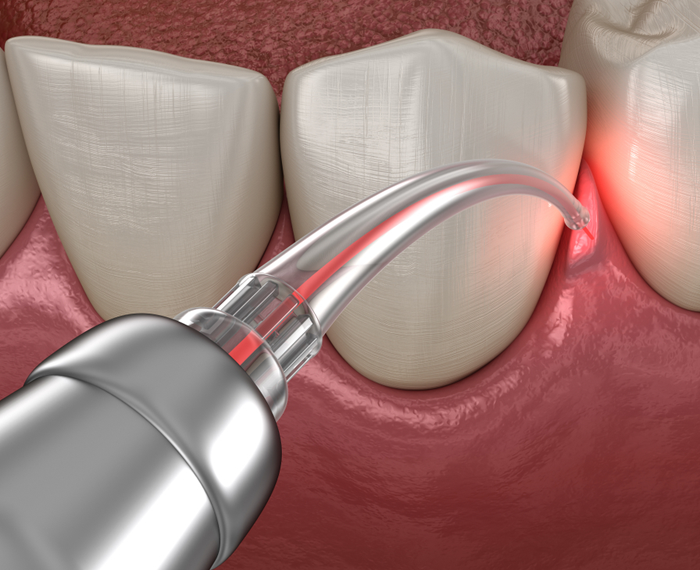
How to treat a tooth cavity?

Cavities, those tiny holes that can wreak havoc on your teeth, are a common dental problem. If you’ve recently been told that you have a cavity, don’t worry! Dental science has come a long way, and cavity filling is a routine procedure that can help restore your smile and prevent further damage.

What Is a Cavity?

A dental cavity is essentially a hole or hollowed-out area in a tooth. It is caused by the gradual decay of the tooth’s outer surface, known as enamel, and the inner layer, called dentin. Cavities can range in size from small, barely seen pits to larger holes that may result in severe tooth damage if left unattended.

How Do Cavities Form?

Cavities develop as a result of many factors, mainly involving bacteria, sugar, and time:

  1. Bacterial Action: Your mouth is home to millions of bacteria, some of which feed on sugars and produce acids as byproducts. These acids can erode the enamel, creating weak spots in the tooth’s surface.
  2. Plaque Buildup: Plaque is a sticky film of bacteria and debris that adheres to your teeth. Over time, if not properly removed through brushing and flossing, plaque can accumulate and contribute to cavity formation.
  3. Demineralization: Acids produced by bacteria and found in sugary foods and drinks can demineralize your enamel. This process gradually weakens the protective layer, making it susceptible to cavities.
  4. Cavity Formation: As the enamel weakens, it can eventually break down, forming a cavity in the tooth. If not treated, the cavity can deepen and reach the inner layers, leading to more extensive damage.

Signs and Symptoms of Cavities:

Cavities may not always exhibit noticeable symptoms in their early stages, which is why regular dental check-ups are crucial. However, as cavities progress, you may experience:

  • Toothache or pain, especially when eating or drinking
  • Sensitivity to hot, cold, sweet, or acidic foods and beverages
  • Visible pits or holes on the tooth’s surface
  • Stains or discoloration on the affected tooth

The Cavity Filling Procedure:

Cavity filling is a common dental procedure that aims to restore the damaged tooth to its normal function and appearance. Here’s a step-by-step overview of what to expect during the process:

  • Anesthesia: To ensure your comfort, your dentist will give local anesthesia to numb the affected tooth and the surrounding area if needed. You should feel little to no pain during the procedure.
  • Removing the Decayed tooth portion: Your dentist will use a drill, laser, or air abrasion instrument to remove the decayed portion of the tooth. This step leaves a clean, cavity-free area.
  • Preparing the Tooth: After removing the decay, your dentist will prepare the tooth for filling. This may involve shaping the space to accommodate the filling material.
  • Choosing the Filling Material: You and your dentist will discuss the best filling material for your specific case. Common options include amalgam (silver fillings), composite resin (tooth-colored fillings), and porcelain.
  • Cavity Filling: The chosen filling material is placed into the prepared tooth and shaped to match your natural tooth’s contours.
  • Curing and Polishing: For tooth-coloured fillings, a special light is used to harden the material. Your dentist will then trim and polish the filling, ensuring it blends seamlessly with your natural tooth.

Aftercare and Prevention:

Cavity filling is just the first step in maintaining a healthy smile. Here are some tips for aftercare and cavity prevention:

  1. Maintain Good Oral Hygiene: Brush your teeth at least twice a day, floss daily, and use mouthwash to keep plaque at bay.
  2. Regular Dental Check-ups: Visit your dentist for regular check-ups and cleanings to catch and treat cavities early.
  3. Watch Your Diet: Limit sugary and acidic foods and drinks, as they can contribute to cavity formation.
  4. Consider Dental Sealants: Dental sealants can provide an extra layer of protection for your molars, where cavities are most common.

At Teeth Care Centre, Dr. Pankti Patel, the chief dentist and the cosmetic dentist, makes sure to advice you the best treatment. We at TCC, believe in conservative approach, that is saving the tooth as much as possible. At TCC, Cavity filling is done with the help of best composite resin tooth coloured filling material and with the aesthetic touch. We never use the old traditional silver amalgam material for teeth restorations, as it contains mercury, which is potentially harmful for human body and aesthetically unpleasant.

Dental cavities are common but preventable oral health issues. By understanding how they form and taking proactive steps to maintain good oral hygiene, you can reduce your risk of developing cavities and enjoy a healthy, cavity-free smile for years to come. Don’t forget to schedule regular dental check-ups to catch and treat cavities in their early stages, ensuring your dental health remains in top shape.

What is Dental Phobia?

Dental anxiety, also known as dental phobia or odontophobia, is a common psychological condition that affects a significant amount of the population. It involves an overwhelming fear related to dental visits, procedures, or even the mere thought of going to the dentist. Dental anxiety can have serious consequences, as it may prevent individuals from seeking necessary dental care, leading to deteriorating oral health.

Causes:

  1. Fear of Pain: Many people associate dental visits with pain, which can trigger anxiety. This fear is often rooted in past negative experiences or stories heard from others.
  2. Lack of Control: Being in a vulnerable position in the dentist’s chair can make some individuals feel helpless and anxious.
  3. Embarrassment: People with dental problems may feel embarrassed about the condition of their teeth, leading to anxiety about being judged or criticized by dental professionals.
  4. Negative Past Experiences: Previous traumatic or uncomfortable dental visits can create a lasting fear of dental care.
  5. Fear of the Unknown: Not knowing what to expect during a dental procedure can lead to anxiety. Dentists should communicate clearly with patients about the procedure and its potential discomforts.
  6. Sensory Sensitivities: Some individuals are highly sensitive to sensory inputs like sounds, tastes, and smells commonly associated with dental procedures.

Symptoms:

  • Rapid Heartbeat: Increased heart rate is a typical response to anxiety and stress.
  • Tension and Restlessness: Restlessness, fidgeting, and muscle tension are common signs of anxiety.
  • Nausea: Anxiety can lead to digestive issues, including nausea and upset stomach.
  • Sweating: Excessive sweating, particularly in the palms or forehead, can occur when anxiety levels rise.
  • Panic Attacks: In severe cases, dental anxiety can trigger panic attacks characterized by intense fear, shortness of breath, and a feeling of impending doom.
  • Avoidance Behaviour: People with dental anxiety may go to great lengths to avoid dental appointments altogether, even when they have dental issues that need attention.

How to manage dental phobia:

  • Choose a Caring Dentist: Look for a dentist who specializes in treating anxious patients and is known for their compassionate approach.
  • Communication: Openly discuss your fears with your dentist. Knowing your issues can help them tailor the treatment plan accordingly.
  • Desensitization: Gradually exposing yourself to dental environments and procedures can help reduce anxiety over time.
  • Relaxation Techniques: Practice relaxation methods like deep breathing, meditation, or progressive muscle relaxation before and during dental visits.
  • Medication: In some cases, dentists may recommend you to seek keep from psychologist for your anxiety issues, and they might recommend you anti-anxiety medications to help patients relax during procedures.
  • Sedation Dentistry: Discuss options for sedation dentistry with your dentist. Sedation can help you relax and may be a viable solution for more extensive procedures.
  • Distraction: Bring headphones and listen to calming music or an audiobook during the procedure to divert your attention.
  • Support: Bring a trusted friend or family member to accompany you to the dental appointment for emotional support.
  • Behavioural Therapy: Consider cognitive-behavioural therapy (CBT) or exposure therapy, which can help you change your thought patterns and gradually confront your fears.

At Teeth Care Centre, we understand that every patient is different. We aim to provide them with the best service and care possible. Dr. Pankti Patel, the best dentist in Ahmedabad, and the chief dentist of Teeth Care Centre, has mastered in Oral Diagnosis. She makes sure the first visit of the patient at Teeth Care Centre, is always fear free and goes smoothly, along with a great experience. With her expert skills, Dr. Pankti makes sure she provides the utmost comfort and the best treatment possible to the patient.

Dental phobia is a common but manageable condition that should not prevent anyone from receiving essential dental care. With the right strategies and support, it is possible to overcome this fear and maintain good oral health. Remember that dental professionals are here to help and understand your concerns. Don’t let dental phobia stand in the way of a healthy smile and overall well-being. Seek help, take small steps, and prioritize your dental health.

Are you in a Dental Emergency?

I will take care !

Dental emergencies can come at any time, and when they do, they often catch patients off guard. Unlike other medical emergencies, dental issues can be confusing, and it may be challenging to determine what constitutes a true dental emergency.

What is a dental emergency?

A dental emergency is a situation in which you require immediate dental care to ease severe pain, save a tooth, or prevent serious complications. These emergencies can vary in severity, but they all demand prompt attention to prevent further damage and relieve discomfort.

It includes:

  1. Severe Toothaches: Intense, persistent tooth pain often indicates an underlying issue that needs prompt attention.
  2. Broken or Knocked-Out Teeth: Whether due to an accident, fall, or injury, broken or avulsed (knocked-out) teeth require immediate treatment to salvage or repair the tooth.
  3. Oral Bleeding: Uncontrolled bleeding from the mouth, gums, or tongue may be indicative of a serious problem, such as a deep laceration or infection.
  4. Infections: Dental infections can cause severe pain, swelling, and fever. These require immediate intervention to prevent the infection from spreading to other parts of the body.
  5. Lost Dental Restorations: Losing a filling, crown, or dental bridge can expose the sensitive inner layers of the tooth and necessitate prompt replacement.
  6. Severe Gum Infections: Gum infections that cause swelling, pus discharge, and extreme discomfort should be addressed quickly to prevent complications.
  7. Jaw Injuries: Trauma to the jaw, such as dislocations or fractures, should be treated urgently to ensure proper healing and alignment.

How do you recognize a dental emergency:

  • Intense and Unbearable Pain: If you’re experiencing severe and persistent tooth or gum pain, don’t ignore it. Pain is often a sign that something is seriously wrong.
  • Swelling and Inflammation: Swelling in the mouth, face, or neck can indicate an infection or abscess that requires immediate attention.
  • Bleeding: If you’re bleeding from the mouth due to an injury or dental issue and can’t control it within a reasonable timeframe, seek help immediately.
  • Trauma to Teeth or Jaw: Any trauma that results in damage to teeth or the jaw should be treated as an emergency to prevent further complications.
  • Lost or Loose Teeth: If you’ve lost a tooth or if a tooth becomes loose suddenly, it’s essential to see a dentist as soon as possible to increase the chances of saving the tooth.

What Can you do?

  1. Contact Your Dentist: If you’re experiencing a dental emergency, the first step is to call your dentist immediately. Explain the situation and ask for guidance on what to do next.
  2. Stay Calm: Panic can exacerbate the situation. Try to remain as calm as possible to make rational decisions.
  3. Handle a Knocked-Out Tooth with Care: If a tooth gets knocked out, pick it up by the crown (top part) and avoid touching the root. Rinse it gently with clean water if it’s dirty, but do not scrub or remove any attached tissue. Place the tooth back in its socket if possible, or store it in a container of milk or saliva and bring it to the dentist as soon as possible.
  4. Control Bleeding: If you’re experiencing excessive bleeding from the mouth, apply gentle pressure with a clean gauze or cloth to stop the bleeding.
  5. Manage Pain: Over-the-counter pain relievers may help alleviate pain temporarily, but avoid placing aspirin or pain medication directly on the affected area, as it can cause tissue damage.

Preventive measures:

  • Maintain Regular Dental Check-Ups: Routine dental visits can catch and address issues before they become emergencies.
  • Practice Good Oral Hygiene: Brush and floss daily to prevent cavities and gum disease.
  • Wear Protective Gear: If you’re engaged in contact sports, use a mouthguard to protect your teeth.
  • Avoid Chewing on Hard Objects: Never chew on ice, popcorn kernels, or other hard objects that can damage your teeth.

Dental emergencies can be painful and frightening, but knowing what to do and seeking immediate care can make a significant difference in preserving your dental health. Teeth Care Centre, the best dental clinic in Ahmedabad, understands the anxiety and fear a patient can get, if they are going through a dental emergency. Dr. Pankti Patel, the chief dentist of TCC, acknowledges your concern and always makes sure you feel calm and composed during such crisis, and gives you the best advice and treatment possible, through her commitment towards perfection.

Regular dental check-ups and good oral hygiene are your first line of defense against these emergencies. If a dental crisis does occur, stay calm, contact your dentist, and follow their instructions to minimize damage and discomfort. Remember, your dentist is your ally in maintaining a healthy, pain-free smile.