Bad breath—also known as halitosis—is one of those problems that can quietly affect your social life, professional interactions, and even self-esteem. Often, the embarrassment doesn’t come from having bad breath itself, but from the fear of someone pointing it out. Whether you’re heading to a meeting, a date, or just mingling with friends, fresh breath gives you confidence and keeps the conversation flowing smoothly. Here’s a complete guide to help you deal with bad breath and avoid being unintentionally offensive.
Understanding the Causes of Bad Breath
Before jumping into solutions, it’s important to know what’s causing the issue. Common causes include:
Poor oral hygiene: Food particles left behind lead to bacteria build-up.
Dry mouth: Saliva helps cleanse your mouth; less saliva means more odour-causing bacteria.
Food choices: Garlic, onions, coffee, and alcohol are top culprits.
Smoking and tobacco: Not only do these leave a strong odour, but they also increase the risk of gum disease.
Medical conditions: Sinus infections, diabetes, GERD (Gastroesophageal Reflux Disease), or liver/kidney issues can all affect breath.
Everyday Solutions for Fresh Breath
1. Brush and Floss Regularly
Brush your teeth twice a day and floss once a day to remove food particles and plaque.
Use fluoride toothpaste and consider brushing your tongue or using a tongue scraper.
Book regular dental check-ups (every 6 months) with best dentist in Ahmedabad.
2. Stay Hydrated
Drink plenty of water throughout the day to avoid dry mouth.
Chewing sugar-free gum can also help stimulate saliva.
3. Mind Your Diet
Limit foods known to cause bad breath.
Incorporate breath-freshening foods like apples, parsley, carrots, and yogurt.
4. Use Mouthwash (Wisely)
Antibacterial mouthwash can temporarily reduce odour-causing bacteria.
Avoid mouthwashes that only mask the smell without addressing the cause.
5. Clean Dental Appliances
If you wear dentures, retainers, or mouth guards, clean them daily as recommended by your dentist.
6. Quit Smoking
Giving up tobacco products can dramatically improve your breath and overall oral health.
Quick Fixes When you’re on the Go
Carry breath mints or sugar-free gum.
Keep a small bottle of mouth spray or travel-size mouthwash.
Chew on cloves or fennel seeds, natural breath fresheners.
Sip water regularly, especially in dry environments like air-conditioned rooms or airplanes.
For those with chronic bad breath or unresolved issues
Visit Teeth Care Centre, the best dental clinic in Ahmedabad for deep cleaning, Checking for cavities, gum disease, or infected tonsils.
Get medical advice if bad breath if persists after dental treatment; Comes with other symptoms (dry mouth, acid reflux, nasal issues)
Preventing bad breath is not just about avoiding embarrassment—it’s also about maintaining good oral and overall health. By adopting a daily routine and being aware of what affects your breath, you not only stay fresh but also avoid offending others unintentionally. Fresh breath signals care, hygiene, and confidence—qualities that leave a lasting impression far better than any scent ever could.
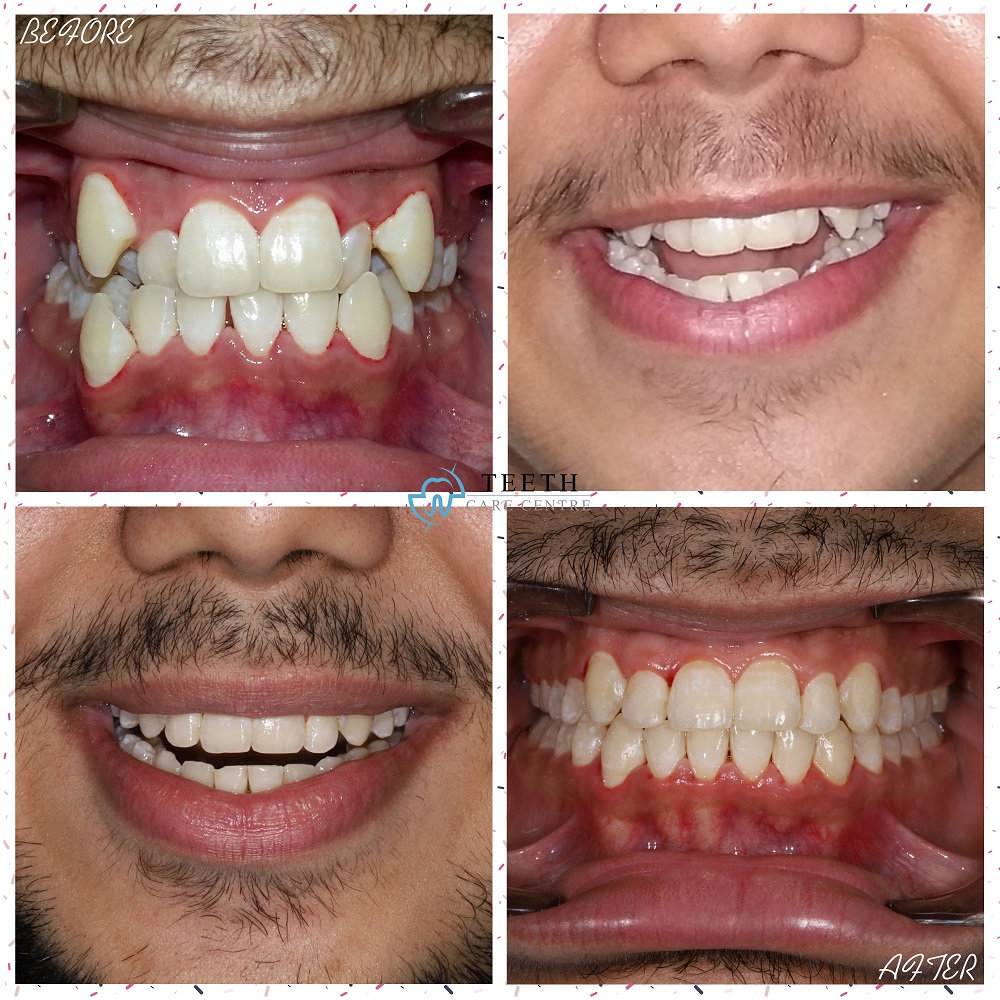
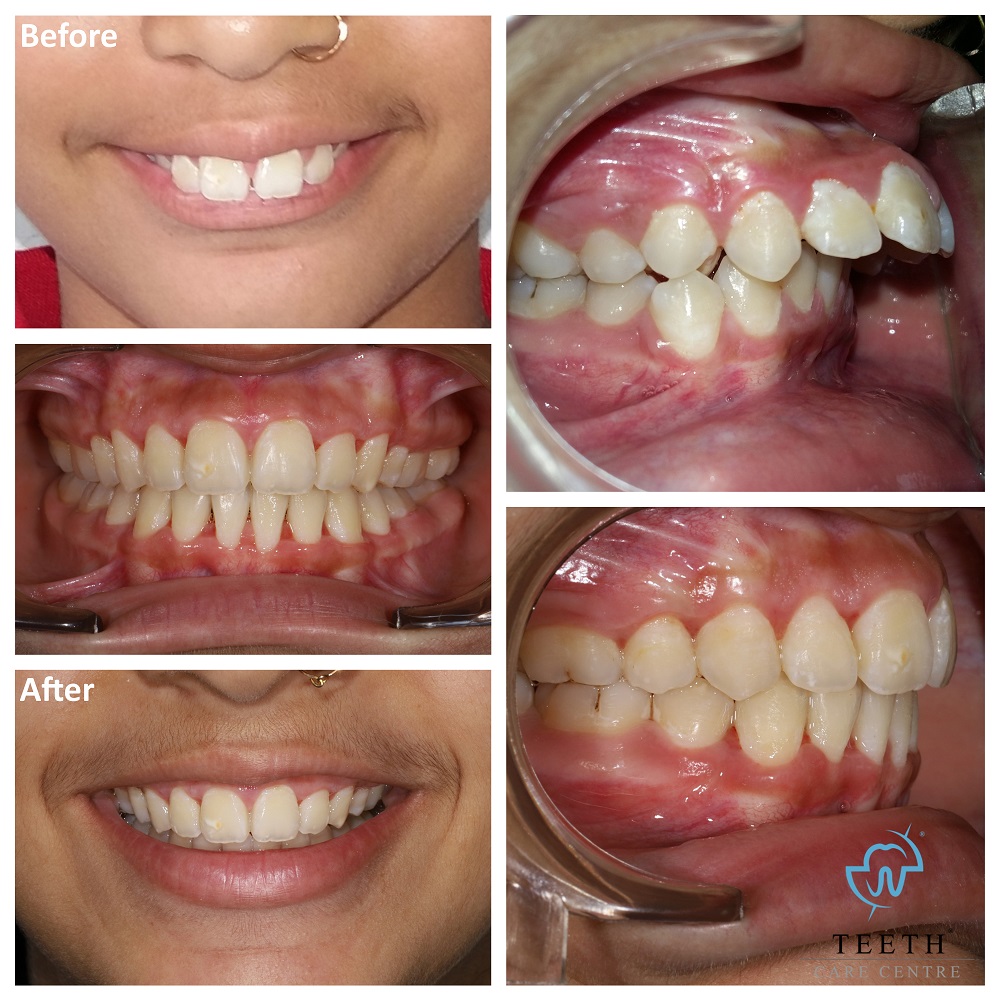
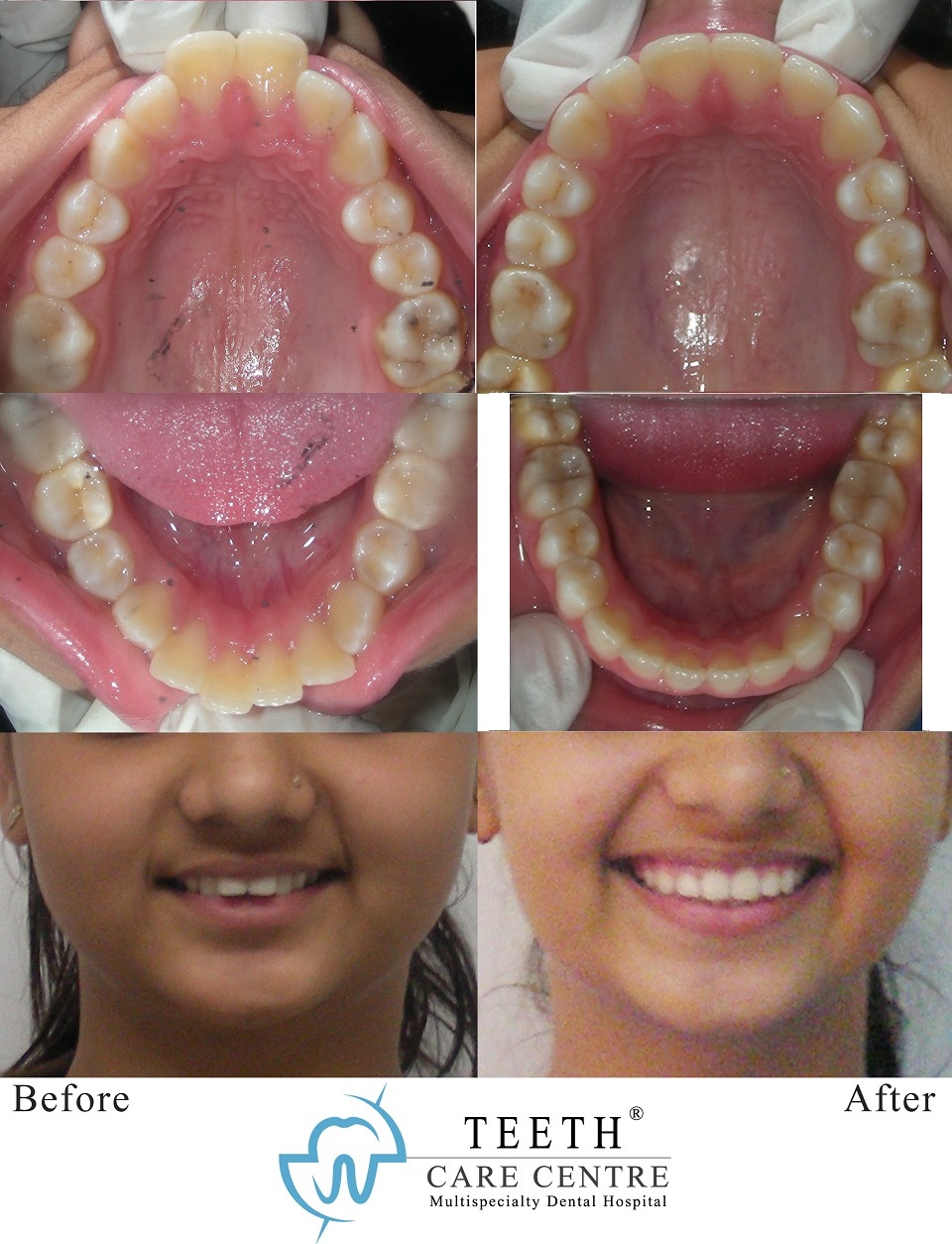
Selection of a best orthodontist in Ahmedabad becomes significant because, firstly, as compared to most of the dental procedures, best orthodontic treatment is expensive and one does not want to invest in a treatment which would not yield the desired results. Secondly, along with function, orthodontic Treatment has an aesthetic significance and opting for the wrong orthodontist or braces specialist would yield undesirable results aesthetically. For an enhanced and a charming smile, choosing an orthodontist who knows when and how to employ the treatment modalities is very crucial.
How would you opt for a best Orthodontist in Ahmedabad? Before opting for an Best Orthodontist in Ahmedabad, one needs to do thorough research. Following are the factors that have to be taken into consideration:
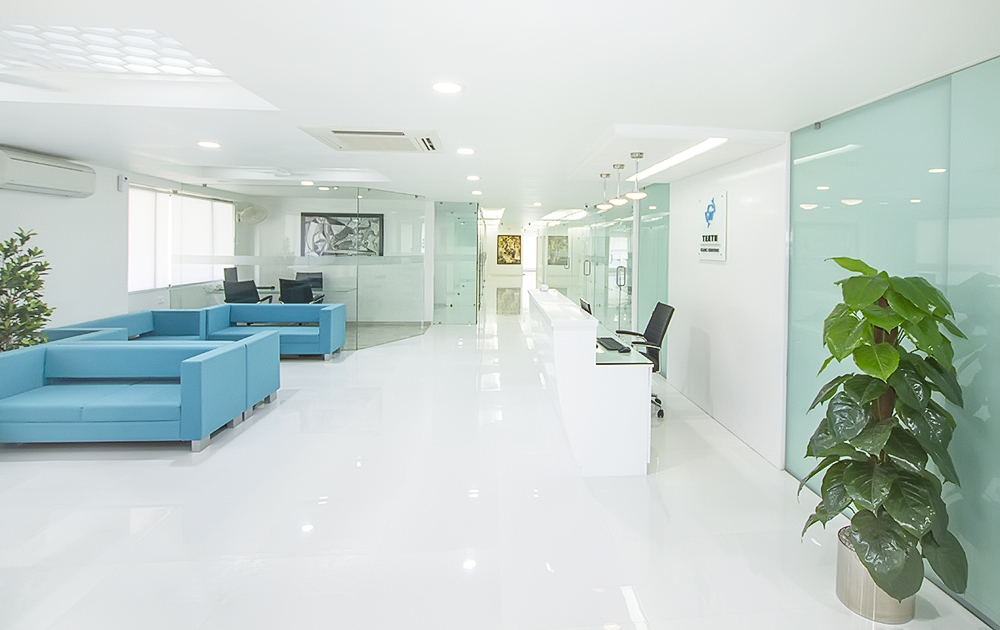
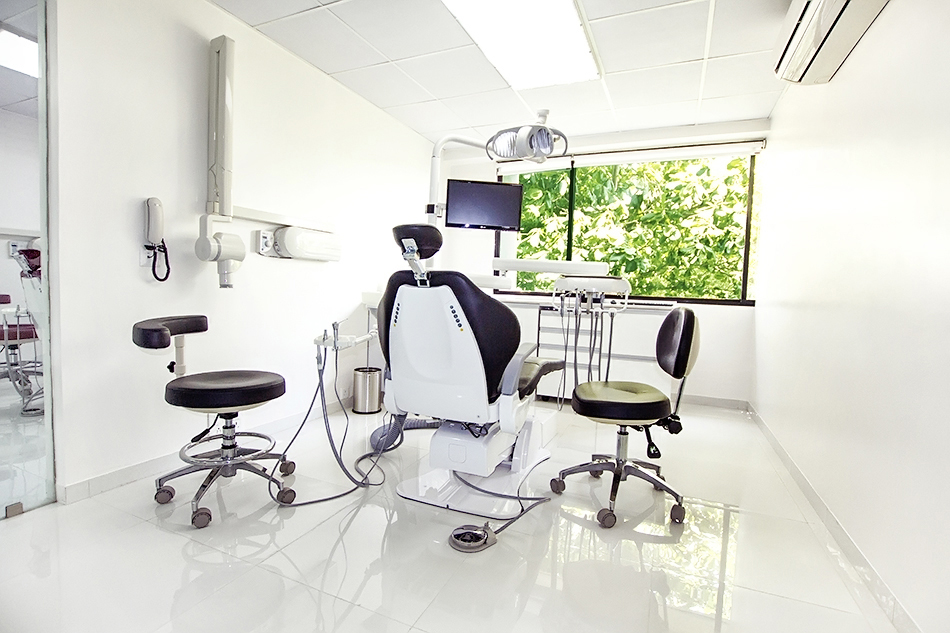
The infrastructure of the clinic: The infrastructure of a clinic speaks about the services that would be offered at the clinic. Dull clinic employing outdated techniques would barely be able provide the patients with the services they deserve and desire. A well equipped and upgraded Dental clinic is of utmost importance. Right from the reception, to the waiting area to the operatories; every area has to be up-to-date, organized and hygienic. Opt for an Orthodontist who employs the latest technologies. This includes digital x-rays, intra oral scanners and ultramodern dental chairs and operatories.
* Many clinics often claim to have ultra-modern technology, please do not rely them right away. Instead, kindly check whether the equipment they use are a world-renowned brand or substandard.
Sterilization protocols: A 7 STEP STERILIZATION PROTOCOL is crucial in order to prevent infection and contamination. The orthodontic instruments and equipment used should not be outdated and of a cheaper quality. They should be autoclaved in highly upgraded autoclave systems that eliminate the risk of infection in the patients, also because a number of children go through Orthodontic treatment and are more prone to infectious diseases as compared to the adults. Single patient operatories should be there to prevent cross contamination.
Degree and credentials of the Orthodontist: After completion of a five year program of BDS (Bachelor of Dental Surgery), the Dentist should have completed a 3 year post doctoral program specializing in Orthodontics. Also, he should be actively participating in seminars, continuing dental education programmes, workshops, research programmes, and etc. These additional credentials help the Orthodontist to upgrade his treatment modalities on a regular basis. Therefore, a thorough research about the Orthodontist and his extra credentials, whether he is spending an extra amount of money in learning and participating for obtaining extra degrees and knowledge from seminars and workshops, apart from specialization in Orthodontics to keep himself upgraded in the field of Orthodontics becomes the core of success in patients undergoing Orthodontic treatment.
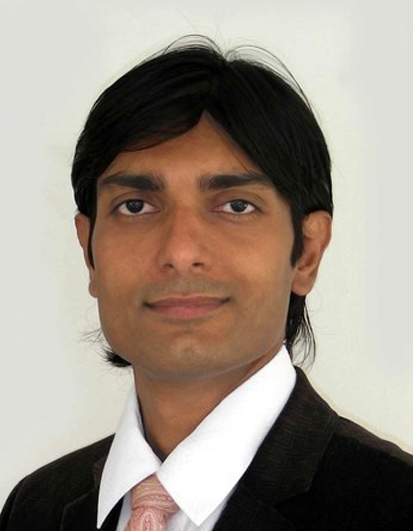
Dr. Nirav Patel (B.D.S., M.D.S., Ph.D., LL.B., F.O.I., F.P.F.A.) is Braces Specialist, and Aligner Expert Orthodontist in Satellite, Ahmedabad. Dr. Nirav Patel is Gujarat’s first Ph.D. Orthodontist. Dr. Nirav Patel is a managing director of TCC and a driving force behind it. He is determined to give you the smile you deserve. He takes pride in helping you achieve your dream smile by giving red-carpet treatment to his clients. He is graduated from Bharati Vidyapeeth University, post-graduated in Orthodontics with honors from Maharashtra University of Health Sciences, and received a Ph.D. degree from Pacific University. He has completed his advanced cosmetic program at New York University College of Dentistry and Smile Care. He has been honored with a fellowship from the Pierre Fauchard Academy. He has also earned his Fellowship in Oral Implantology from Nobel Biocare. He has done basic and advanced lingual orthodontic training under Dr. Rafi Romano, Israel. He has taken advanced training for Invisalign under Dr. Thiti Sirikrai. He is one of the most distinguished and eminent orthodontists, Implantologist, and Cosmetic Dentist. He is a dynamic doctor with most brilliant ideas, a sympathetic attitude, and a deep-rooted sense of dedication to duty. He has undergone numerous advanced pieces of training to further sharpen his professional skills. He attends regularly several significant seminars, symposia, workshops, programs, and conferences on different topics and acquires valuable knowledge of the latest developments. Dr. Nirav Patel is globally recognized as an excellent clinician. Apart from being a remarkable doctor, Dr. Nirav Patel is also a passionate teacher and clinical researcher with more than 10 years of teaching experience in dental college. Dr. Patel is specialized in Invisible braces. He has been trained extensively in various techniques of invisible orthodontics. He is the leading provider for Invisible braces (Invisalign) not only in Ahmedabad but Gujarat.
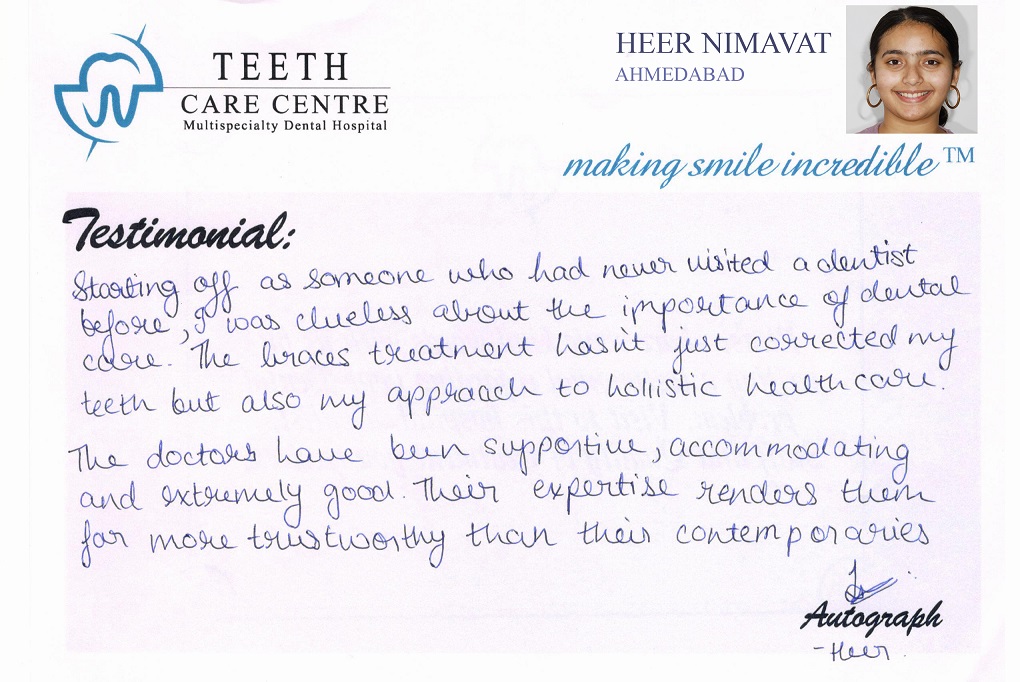
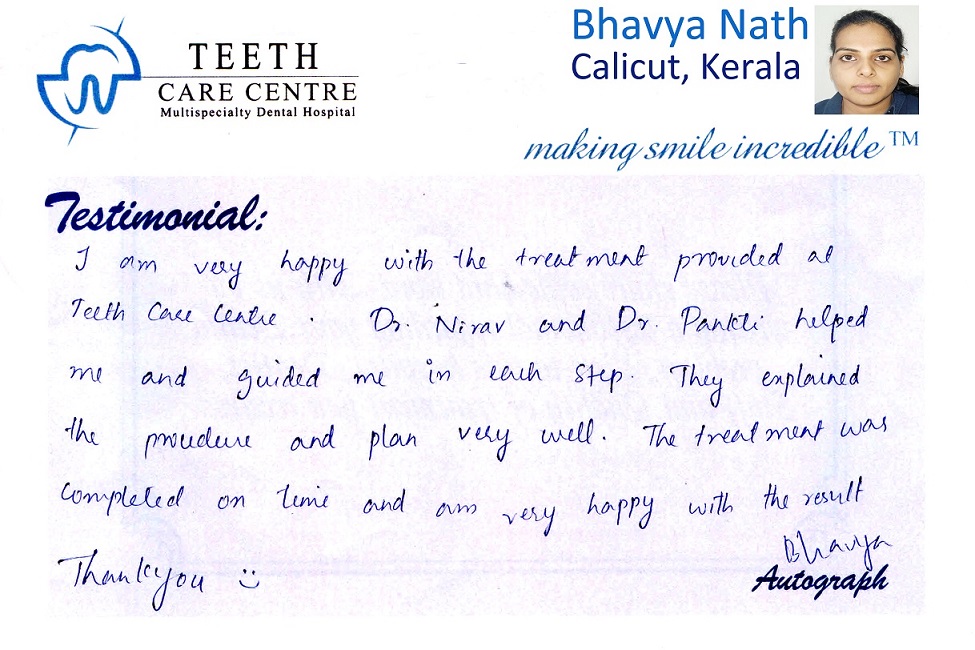
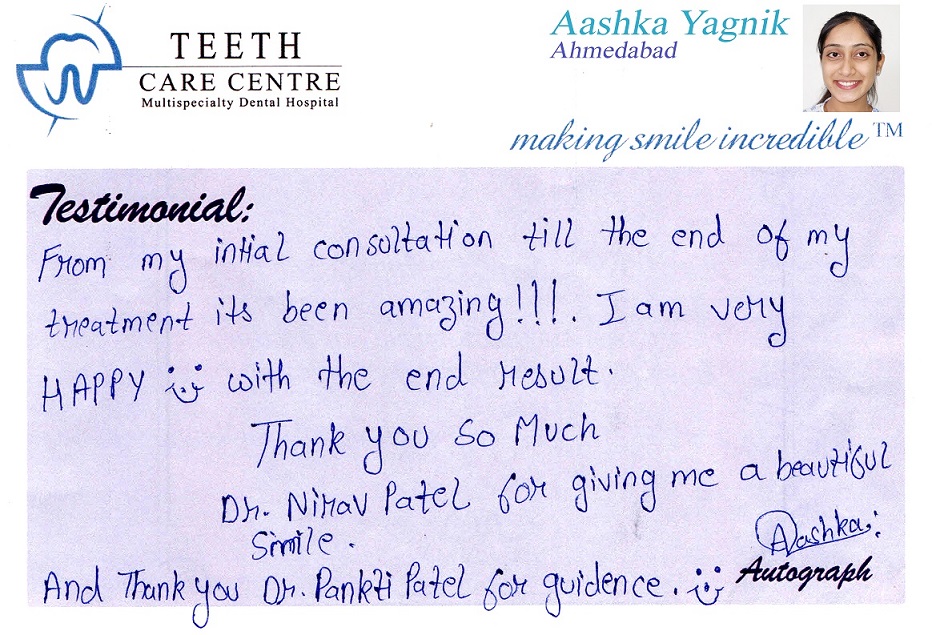
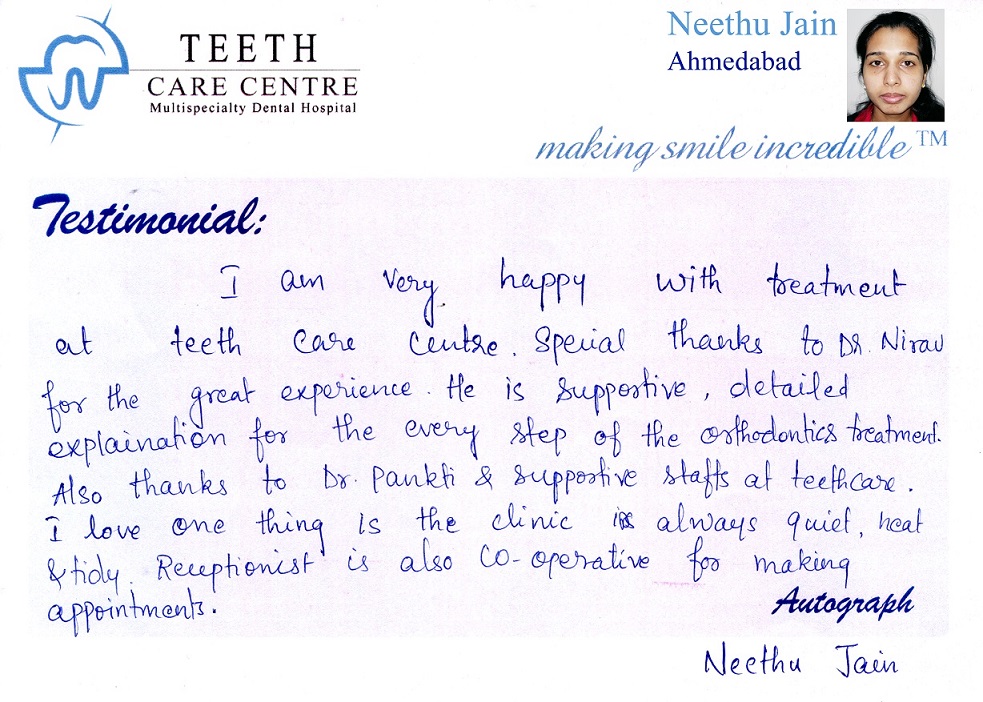
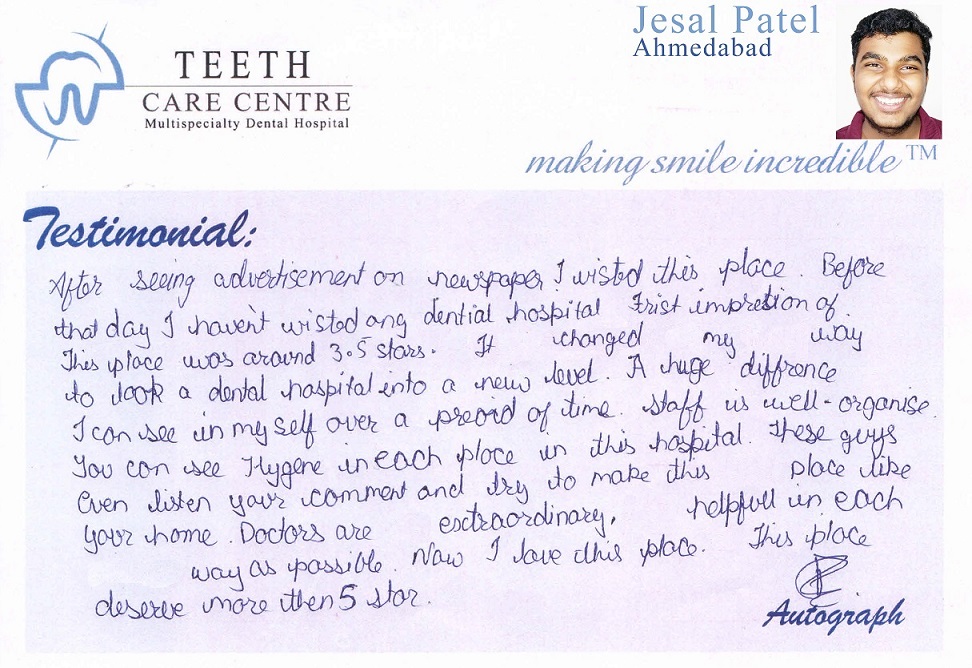
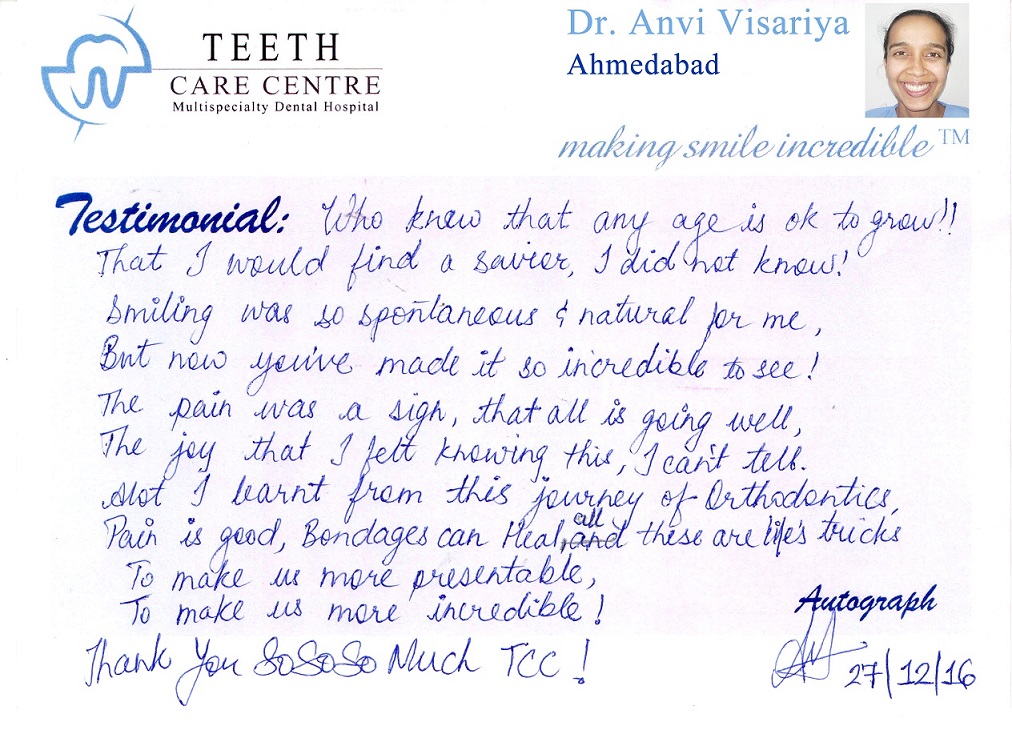
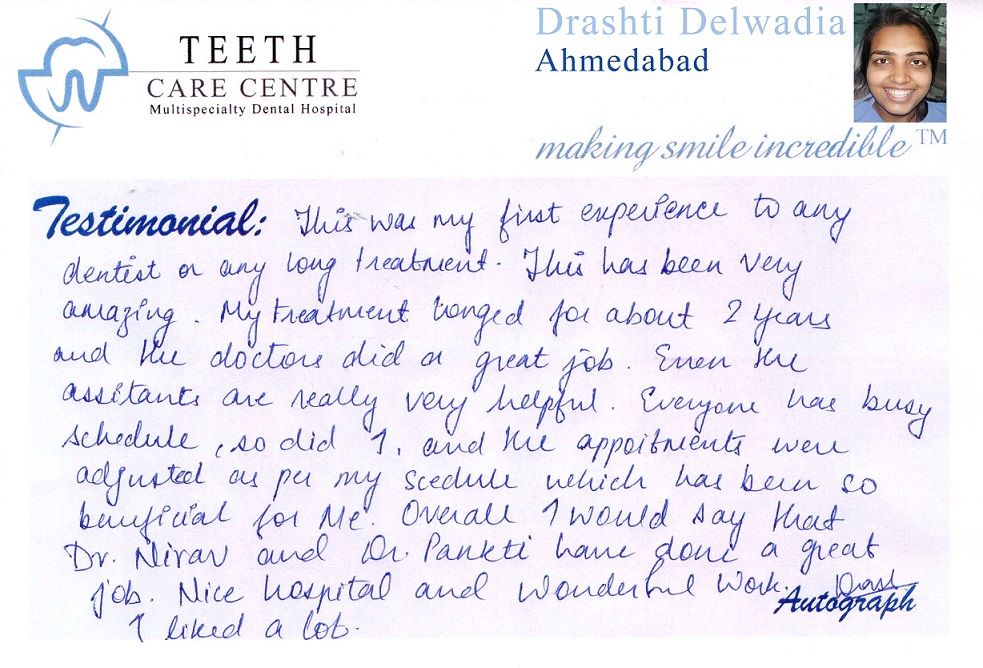
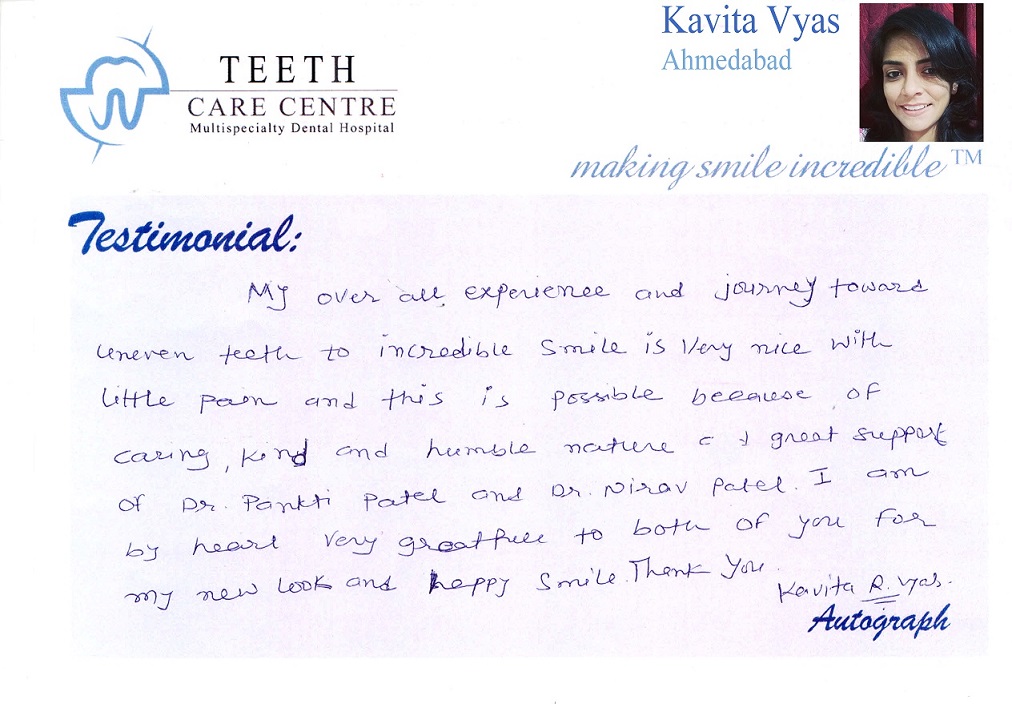
Testimonials & reviews: Knowing about any clinic is just a click away. Go through the website of the clinic. Read the ‘Top orthodontist in Ahmedabad’ testimonials and the ‘Top braces specialist in Ahmedabad’ reviews and check the quality of the patients that visit the clinic. This would give you an idea about the top braces treatment in Satellite, Ahmedabad services you would be provided with and help you make a decision about the clinic you want to opt for.
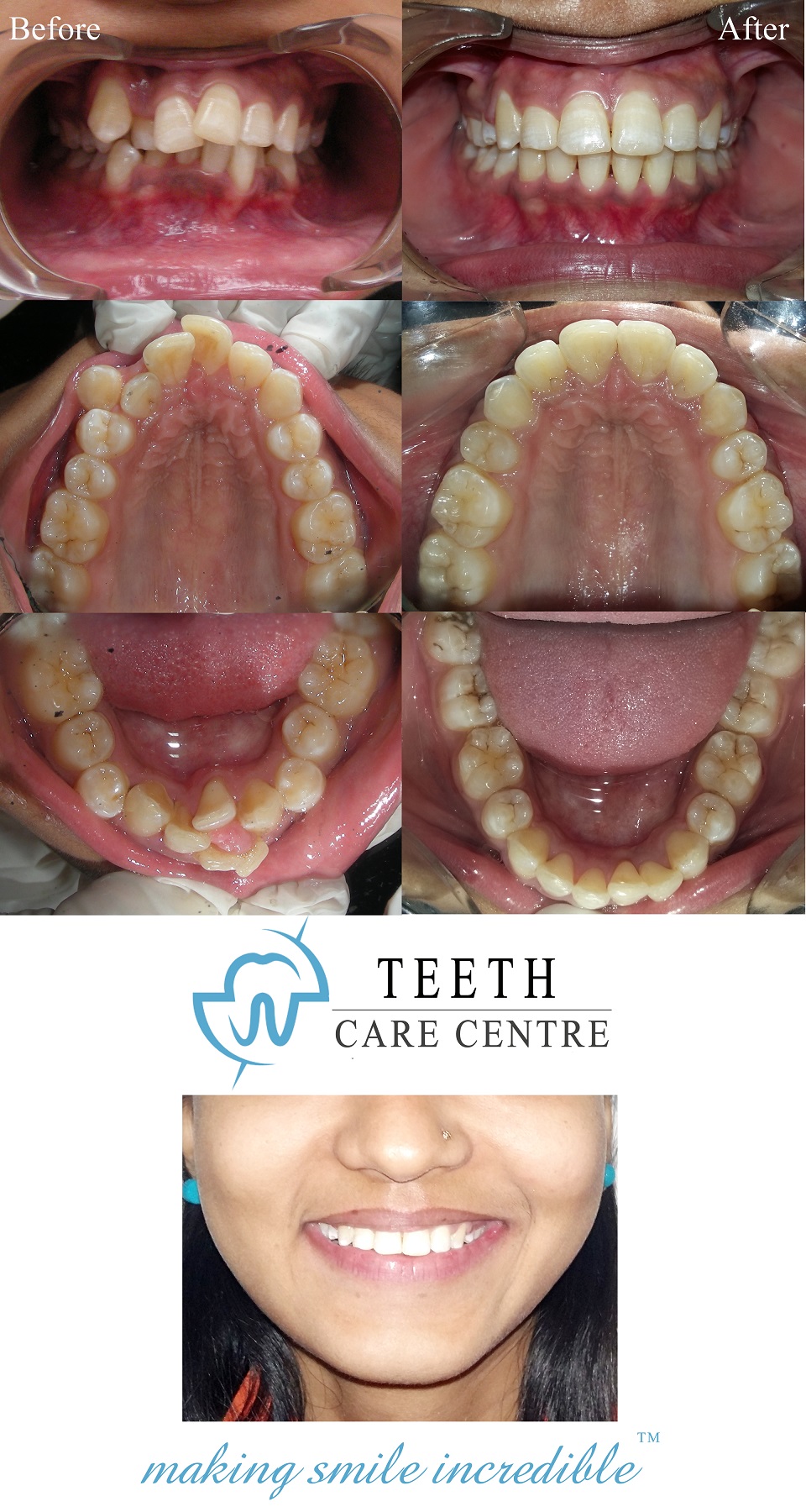
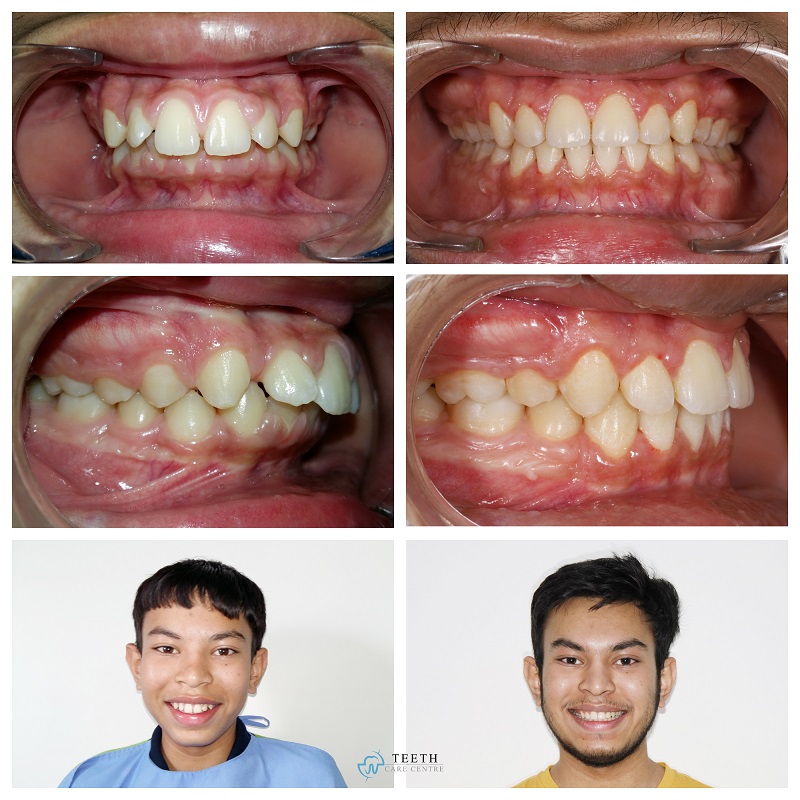
WHY TEETH CARE CENTRE FOR BEST BRACES TREATMENT IN AHMEDABAD? Dr. Nirav Patel, our skilled and lettered, both theoretically and practically, Orthodontist – Braces Treatment Specialist in Satellite at Teeth Care Centre, Ahmedabad, provides with authenticated InvisAligners. Along with being skilled and actively participating in seminars and workshops held at various Dental and Medical Institutions, Dr. Nirav Patel offers the most economical Invisalign Treatment employing upgraded technology and following stringent 7 Step Sterilization Protocols following CDC and ADA guidelines.
COST AND PRICING OF BRACES TREATMENT IN AHMEDABAD:
TEETH CARE CENTRE
OTHER CLINICS: AHMEDABAD
Clear Aligners
160000/- to 275000/- Brand: Invisalign – USA, Kline – Germany, ClearCorrect – USA
70000/- to 250000/- Brand: Local and International
Buccal (Front Side) Self Ligating Braces
Metal Braces: Price same as clear aligners Ceramic Braces: Price same as clear aligners
55000/- to 90000/-
Lingual (Back Side) Braces
Customized Lingual Braces with Robotic Wires: Price same as clear aligners Brand: 3M-USA, American Orthodontics-USA, Ormco-USA
80000/- to 165000/-
We have fixed price policy: Price is fixed and transparent.
** Clear aligners are newer technology as compared to braces with lots of additional advantages, so we always give priority to aligners. We go for braces only in clinical conditions when aligners are not feasible.
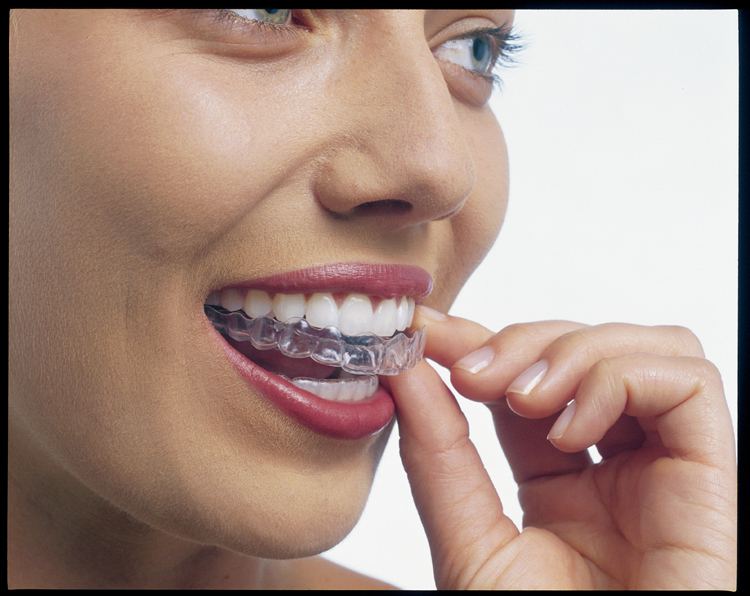
What are the types of braces available in the market? Clear aligners (Invisalign): Do you want pain, food restrictions, discomfort, multiple dental visits, long treatment duration and visible braces? If your answer is ‘NO’, Invisalign is option for you. Clear aligners are invisible removable trays that are supposed to be worn twenty hours per day, and are in a transparent and plastic form, eliminating the traditional braces. Clear aligners are almost invisible and an exceptional alternative to traditional metal braces.
– It is an ultramodern invisible alternative to traditional braces. – Pain factor is eliminated. – They are almost invisible, hence aesthetically superior. – There is no restriction on food consumption. – They can be removed while brushing and flossing; hence oral hygiene maintenance is exceptional. – Almost no visits are required. – Does not irritate your oral tissues. Disadvantage: – They are expensive.
Conventional braces: Conventional braces are braces that rely on a elastic bands in order to hold the arch wire into the braces, which encourages lodgement of debris and plaque around them and slower down treatment due to high friction. This is one of the biggest disadvantages of conventional braces and ultimately results in caries during treatment and that’s why Dr. Nirav Patel considers conventional braces are out dated.
Advantage: -It is cheaper as compared to other braces and clear aligners. Disadvantage: – The size of the brackets is big. Thus it has poor aesthetics. – Cleaning of the braces is a tedious task. Extra amount of care has to be taken in consuming food and the types of food consumed. – Frequent follow-up dental visits are required. – These braces lead to caries due to difficulty in brushing teeth and maintaining oral hygiene. – It takes a longer time in completion of the orthodontic treatment. – More pain during the braces treatment.
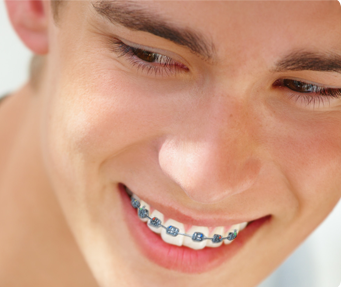
Self-ligating braces: Self-ligating braces do not require a module in order to hold the arch wire into the braces. The brackets have an open and shut mechanism, in order to ensure that the arch wire is fully and easily engaged.
Advantage: – The size of the brackets is small, therefore aesthetically, these braces do not pose a problem. – Cleaning of the teeth and maintaining oral hygiene is easier due to smaller size of the brackets and elimination of elastics to hold arch wire into the braces. – As cleaning is easier, there is no threat of caries. – The treatment is faster as compared to conventional braces. – Less discomfort. – Follow-up dental visits are not frequent. Disadvantage: – The cost factor might pose a problem for the patients, as they are little expensive. – Cleaning of the braces is a tedious task. -Extra amount of care has to be taken in consuming food and the types of food consumed.
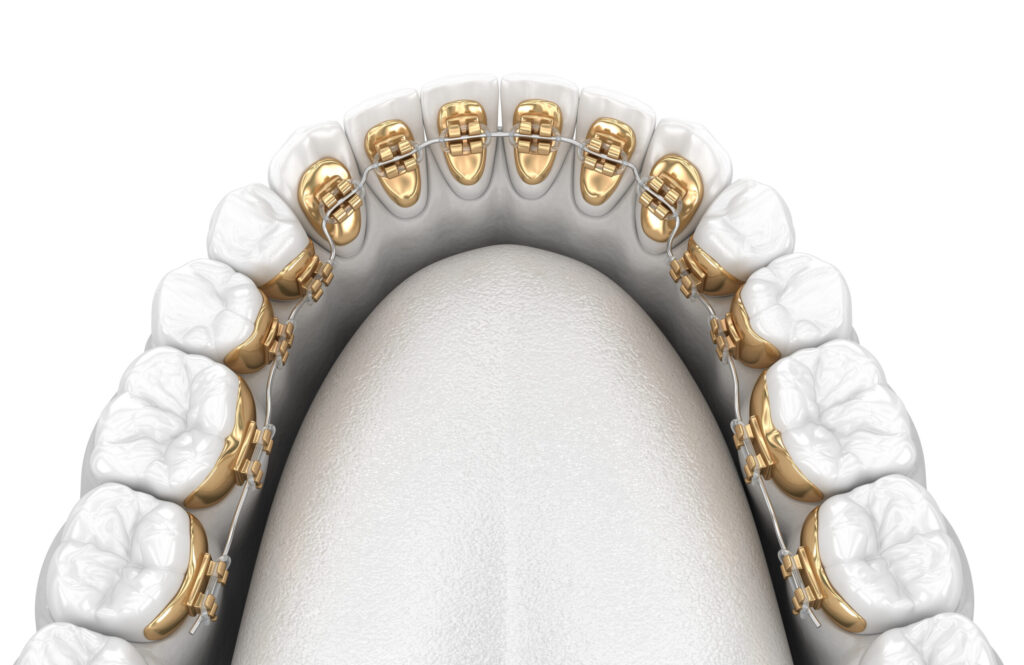
Lingual Braces: lingual braces look just like traditional metal braces, but are placed behind your teeth out of the public eye to give you a more discreet smile correcting experience. Advantage: -Lingual braces are virtually invisible.
Disadvantage: – It takes a longer time in completion of the treatment as compare to buccal braces. – Cleaning of the braces is a tedious task. – Extra amount of care has to be taken in consuming food and the types of food consumed. – Frequent follow-up dental visits are required. – These braces lead to caries due to difficulty in brushing teeth and maintaining oral hygiene. – Tongue may get irritated. – Not possible if teeth are too small or not long enough. – Lingual braces are most expensive than other types of braces. – They can give you a temporary lisp.
Latest Trends in Braces Treatment in Ahmedabad by Top Orthodontist in Ahmedabad Braces Treatment in Ahmedabad by Top Orthodontist in Ahmedabad has evolved with modern orthodontic advancements. Self-ligating braces are gaining popularity due to reduced friction and faster results. Ceramic braces offer a more aesthetic alternative to metal braces. Digital planning ensures precise tooth movement. Advanced wires apply gentle and continuous pressure, improving comfort. Lingual braces are also available for invisible treatment options. Improved materials reduce discomfort during adjustments. Early orthodontic intervention is now more structured and effective. These latest trends make Braces Treatment in Ahmedabad by Top Orthodontist in Ahmedabad more comfortable and efficient.
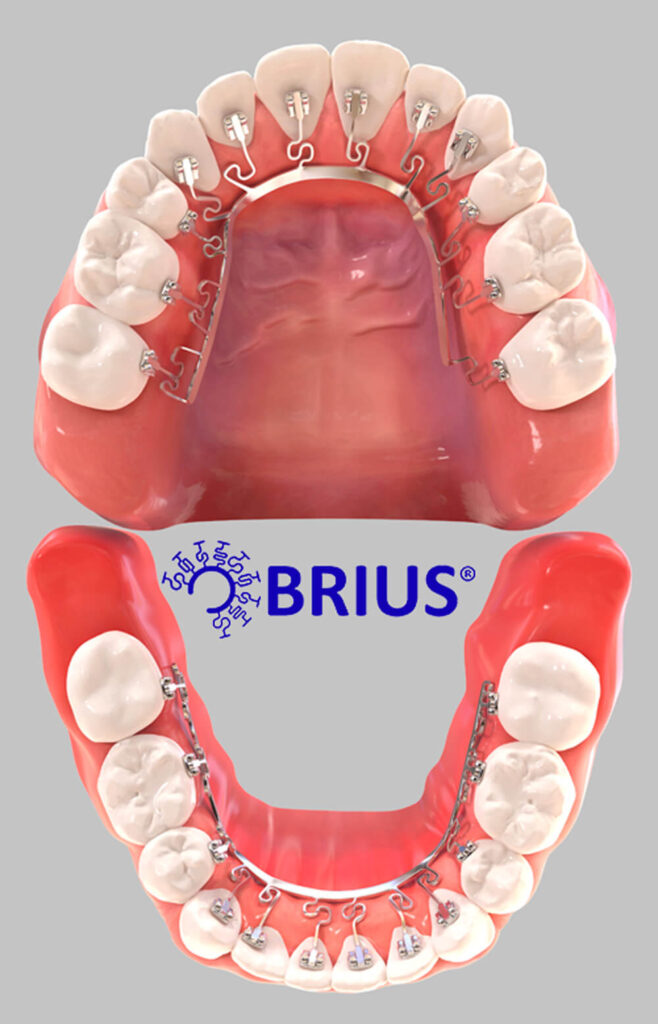
Looking for invisible braces in Ahmedabad that are advanced, fixed, and completely hidden? Teeth Care Centre Dental Hospital, Ahmedabad, now offers BRAVA Invisible Lingual Braces, a next-generation orthodontic system from Brius Technologies, USA.
What Are BRAVA Invisible Braces?
BRAVA braces are customized lingual braces placed on the inside surface of the teeth, making them 100% invisible from the outside. Unlike traditional braces or clear aligners, BRAVA uses a single personalized appliance per arch, digitally designed to move teeth efficiently without frequent adjustments.
In short: Invisible, Fixed (no removal), Customized, Low maintenance
Key Benefits of BRAVA Braces
Completely Invisible Braces – hidden behind the teeth
No Aligners, No Elastics – fixed appliance, no compliance issues
Advanced Digital Orthodontics at Teeth Care Centre Dental Hospital at Ahmedabad
BRAVA treatment begins with digital intraoral scanning and AI-based planning, ensuring precise tooth movement and predictable results. The appliance is robotically fabricated to follow the planned treatment pathway, offering a smooth and efficient orthodontic experience.
Authorized BRAVA Braces Provider in Ahmedabad
Teeth Care Centre Dental Hospital, Ahmedabad, is a leading destination for advanced orthodontic and aesthetic dental treatments. As an authorized BRAVA orthodontic braces provider, the clinic offers international-standard invisible orthodontic solutions using the latest digital technologies.
Expert Care by Dr. Nirav Patel – Orthodontist
BRAVA treatment is performed under the expertise of Dr. Nirav Patel, an experienced orthodontist trained in lingual orthodontics and behind-the-teeth braces. His proficiency in customized digital orthodontic systems ensures safe, precise, and aesthetically superior outcomes.
Who Is Suitable for BRAVA Lingual Braces?
BRAVA invisible braces are suitable for:
Crowded or spaced teeth
Mild to moderately complex bite problems
Adults seeking invisible orthodontic treatment in Ahmedabad
Why Choose Teeth Care Centre Dental Hospital for Invisible Braces in Ahmedabad?
Advanced digital orthodontic technology
International-standard treatment protocols
Experienced orthodontist trained in lingual appliances
Personalized and aesthetic treatment approach
Book Your Consultation Today:
If you are searching for BRAVA invisible lingual braces in Ahmedabad, Teeth Care Centre Dental Hospital offers a perfect combination of technology, expertise, and aesthetics. Schedule your consultation today and experience truly invisible orthodontics—behind the teeth.