Dental Care in Special Children

Ensuring good dental health is crucial for everyone, and this includes children with special needs. Children with special needs, such as Autism, Down syndrome, Cerebral palsy, or developmental delays, may require extra attention and care when it comes to their dental hygiene.

Challenges to be faced by a special child:

  1. Sensory Sensitivities: Many special kids have sensory sensitivities, making them uncomfortable with unfamiliar sensations in their mouths, such as toothbrushes or dental instruments.
  2. Communication Difficulties: Children with speech and communication challenges may struggle to express pain or discomfort during dental issues, making early intervention difficult.
  3. Medications: Some medications can affect dental health, leading to issues like dry mouth, gum problems, or tooth decay.
  4. Behavioural Challenges: Behavioural issues can make it challenging to maintain a regular dental care routine.
  5. Increased Risk of Dental Issues: Individuals with Down syndrome often have smaller mouths, crowded teeth, and misaligned jaws, which can lead to dental problems.
  6. Gum Disease: They are more prone to gum disease (periodontal disease), which can result in tooth loss if left untreated.
  7. Tooth Decay: Due to difficulties with oral hygiene and diet, they may be at a higher risk of tooth decay.
  8. Anxiety and Fear: Anxiety related to unfamiliar environments and situations can exacerbate dental visits for children with autism.
  9. Rigidity: Some children with autism may have a strong preference for routine and may become distressed if their daily routine is disrupted.

How to manage?

  1. Start Early: Begin oral care routines as early as possible. Establishing good habits from a young age can make dental care more manageable as the child grows.
  2. Choose the Right Dentist: Seek out a pediatric dentist experienced in treating children with special needs. They will have the expertise and a more accommodating environment.
  3. Sensory-Friendly Dental Care: Opt for toothbrushes with soft bristles and introduce them gradually to the child. Make sure the toothpaste has a mild flavour and is safe to swallow.
  4. Visual Schedules: Use visual schedules or social stories to prepare the child for dental visits. Knowing what to expect can reduce anxiety.
  5. Regular Dental Visits: Stick to a regular dental check-up schedule. This helps catch issues early and allows the child to become more familiar with the dental office.
  6. Oral Health Education: Simplify oral health education using visual aids or videos that cater to the child’s learning style.
  7. Family Involvement: Encourage family members or caregivers to actively participate in the dental care routine and support the individual’s oral hygiene at home.
  8. Family Involvement: Encourage family members or caregivers to actively participate in the dental care routine and support the individual’s oral hygiene at home.
  9. Behaviour Management Techniques: Work with the dentist to develop behavior management techniques, such as desensitization or positive reinforcement.
  10. Customized Dental Care: Tailor dental care to the child’s specific needs. This might involve shorter appointments or the use of sedation or anesthesia when necessary.
  11. Home Care Routine: Develop a consistent home care routine that includes brushing, flossing, and rinsing. Be patient and provide gentle guidance.
  12. Healthy Diet: Encourage a balanced diet that limits sugary snacks and drinks to prevent tooth decay.
  13. Communication: Establish a way for the child to signal discomfort or pain during oral care. This can be crucial for early intervention.

Why choose Teeth Care Centre?

Teeth Care Centre, the best dental clinic in Ahmedabad, knows that every special child is unique, and needs special treatment. So, to address their issues, we have the best pediatric dentists in Ahmedabad to attend them. Our whole team of pediatric doctors, under the guidance and supervision, of our chief dentist Dr. Pankti Patel, attends and provides treatment to special children, by understanding and acknowledging their needs and problems.

Dental care for special children may require going beyond the bare minimum, extra effort, patience, and understanding, but it is essential for their overall health and well-being. By starting early, finding the right dentist, and using specialized techniques, you can help your child with special needs maintain a healthy smile and a good attitude toward dental care. Remember that each child is unique, so it’s important to be flexible and adapt various ways to meet their specific needs. With the right approach, dental care can become a manageable and even enjoyable part of their daily routine.

What Is TMJ Laser Therapy?

If you’ve ever experienced pain while chewing, talking, or even yawning, you might be dealing with a condition known as TMJ disorder. TMJ, or temporomandibular joint disorder, affects millions of people each year—yet it often goes undiagnosed or untreated. Fortunately, new treatments like TMJ laser therapy are offering real relief for chronic sufferers.

What Is TMJ Pain?

The temporomandibular joints are the two joints that connect your jawbone to your skull—one on each side of your face, just in front of your ears. These joints act like sliding hinges, allowing you to open and close your mouth, chew food, and speak.

TMJ disorder (TMD) occurs when something goes wrong with these joints or the surrounding muscles. It can be caused by:

  • Teeth grinding or clenching (bruxism)
  • Jaw injuries
  • Arthritis
  • Misalignment of teeth or jaw
  • Chronic stress

Common Symptoms of TMJ Disorder

  • Jaw pain or tenderness
  • Clicking, popping, or grinding noises when opening the mouth
  • Headaches or migraines
  • Earaches or a feeling of fullness in the ears
  • Difficulty opening or closing the mouth fully
  • Facial pain

If any of these symptoms sound familiar, it’s worth talking to your dentist or a TMJ specialist for a proper evaluation.

What Is TMJ Laser Therapy?

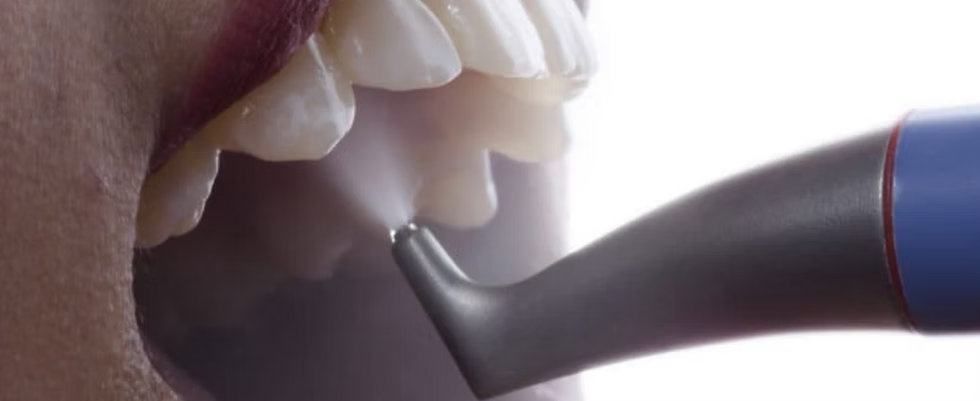
TMJ laser therapy ((a form of physical therapy) is a modern, non-invasive treatment that uses focused light energy to reduce inflammation and pain in the jaw area. It’s part of a broader category of treatment called low-level laser therapy (LLLT) or photobiomodulation.

How Does It Work?

The laser emits low-level light that penetrates deep into the tissues around the temporomandibular joint. This light stimulates cellular activity, increasing blood flow and encouraging natural healing processes. The result? Reduced inflammation, pain relief, and improved jaw function—often in just a few sessions.

Laser therapy is used for the treatment of TMJ to reduce signs and symptoms associated with it like: –

  • Pain
  • Discomfort
  • Clicking sound during the opening of the mouth
  • Tiredness of face
  • Headaches
  • Swelling of affected TMJ
  • Toothache
  • Neck pain
  • Tinnitus

Benefits of TMJ Laser Therapy

  • Non-invasive: No surgery or needles involved
  • Drug-free: A natural alternative to pain medication
  • Fast and effective: Many patients report relief within a few treatments
  • Safe and painless: Most people feel only a mild warming sensation during treatment
  • No downtime: You can return to your normal activities immediately

What to Expect During a Session

A TMJ laser therapy session is quick—typically 10 to 20 minutes. You’ll sit comfortably while a trained provider moves a handheld laser device over the affected area. There’s no need for anaesthesia, and you won’t experience any burning or discomfort.

Most patients require a series of treatments, usually spaced a few days apart, depending on the severity of their symptoms.

Is TMJ Laser Therapy Right for You?

  • Laser therapy is an excellent option for those who:
  • Prefer non-invasive treatments
  • Want to avoid long-term use of pain medications
  • Haven’t found relief from traditional TMJ treatments (mouth guards, physical therapy, etc.)
  • Experience chronic or recurring TMJ pain

However, it’s always best to consult with a qualified provider who can assess your condition and recommend a customized treatment plan.

TMJ disorder can seriously impact your quality of life—but it doesn’t have to be permanent. Thanks to innovations like TMJ laser therapy, relief is more accessible than ever. If you’re tired of living with jaw pain, don’t wait. Reach out to Teeth Care Centre best dental clinic in Ahmedabad and explore whether laser therapy could be the key to feeling like you again.

Teeth Care Centre performs laser therapy under highly skilled, trained professionals and the best dentist in Ahmedabad with the most advanced and world’s no. 1 laser equipment Biolase lasers, USA. The treatment owes to be non-invasive and painless and no side effects and improvises overall dental experience. On average, a patient requires 5-6 dental visits for an effective outcome, but this may not be a permanent solution sometimes.

How to Choose a Good Oral Surgeon for Wisdom Tooth Extraction

Wisdom tooth extraction is one of the most common oral surgeries—but that doesn’t mean it should be taken lightly. Whether you’re dealing with impacted teeth, pain, or your dentist has simply recommended removal, choosing the right oral surgeon can make a big difference in your recovery, comfort, and long-term oral health.

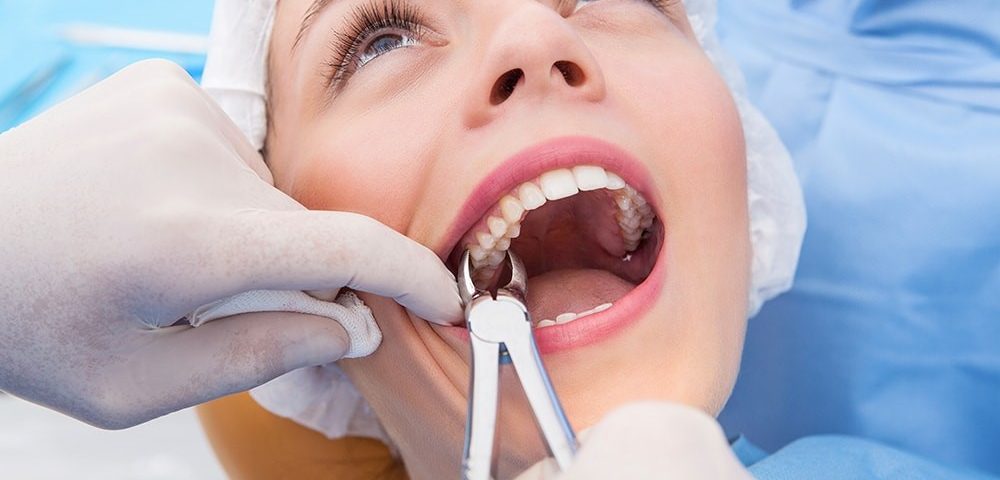
When advanced surgical procedures are needed, an oral and maxillofacial surgeon will assure the most successful results. Oral and maxillofacial surgeons receive specialized training to treat a variety of conditions affecting the face, mouth, and jaw. Patients are typically referred to an oral surgeon when a problem is beyond the scope of a general dentist’s expertise. Oral surgeons perform simple and complex painless tooth extractions, including wisdom tooth extraction.

Points to consider before choosing a dentist for Tooth Extraction Procedure:

  1. Choose oral and maxillofacial surgeon who has received specialized degree to perform surgeries with maximum accuracy and minimal trauma.
  2. Online reviews on Google, Lybrate, JustDial, or health-specific platforms like Practo can offer insight into real patient experiences. Look for mentions of:
  • Clear communication
  • Pain management
  • Cleanliness and professionalism
  • Post-op support and responsiveness

Red flags: Reviews mentioning excessive pain, swelling, lack of explanation, or unhygienic conditions should be taken seriously.

3.    Enquire About Technology and Sedation Options:

  • Use of laser for painless surgery, bloodless surgery, and fast healing.
  • Use of conscious sedation to relieve anxiety.
  • Painless injection system to make whole procedure pain free.

* Many clinics often claim to have ultra-modern technology, please do not rely them right away. Instead, kindly check whether the equipment they use are a world-renowned brand or substandard

4. Visit the clinic or hospital

     Schedule an initial consultation to assess:

  • Cleanliness and sterilization (very important in India due to variable standards)
  • Whether instruments are properly sealed and autoclaved
  • The surgeon’s communication—do they explain the procedure, costs, and recovery well?

Why choose Teeth Care Centre for tooth removal in Ahmedabad?
Teeth Care Centre (TCC) has an MDS – Best Oral Surgeons to perform surgeries according to various complexities. With the continuous advancement in the latest technology, TCC, best dental clinic in Ahmedabad uses painless injection, laser for minimum invasive bloodless tooth extraction surgeries and stringent 7 step sterilization protocol that meets ADA and CDC guidelines. We impart nitrous conscious sedation for calm and comfortable tooth extraction as the patient’s ease and comfort are our utmost priority.