Celebrity Dentist

In the world of cinema glamour and high-profile lifestyles, even the brightest smiles need some behind-the-scenes magic. Celebrity dentistry is where dental professionals cater to the oral health needs and aesthetic desires of the stars and high profile individuals.

What is a celebrity dentist?

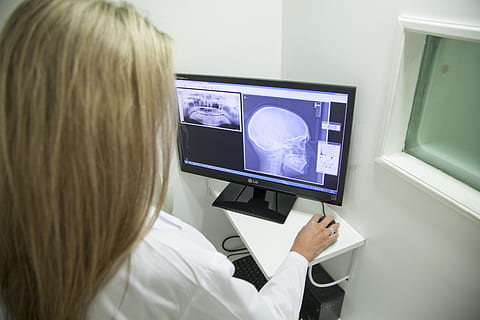
A celebrity dentist is a high –end dental professional who takes care of the oral health and cosmetic dental needs of celebrities, high-profile individuals, and often affluent clientele. These dentists are not only skilled in traditional dental procedures but also specialize in enhancing the appearance of their clients’ smiles through cosmetic dentistry techniques.

Skills a celebrity dentist has:

  1. Crafting Smiles for the Stars: A celebrity dentist is more than just a practitioner of dentistry; they are craftsmen of smiles, entrusted with enhancing and maintaining the pearly whites of the rich and famous. Their clientele includes celebrities from the realms of entertainment, sports, politics, and beyond – individuals whose smiles are not just expressions but essential components of their public image.
  2. Beyond Oral Care: While the fundamental principles of oral care remain the same, the work of a celebrity dentist transcends routine cleanings and fillings. They specialize in cosmetic dentistry, offering services such as teeth whitening, veneers, and dental implants, all aimed at perfecting the aesthetics of a smile. Their expertise lies in creating natural-looking enhancements that complement a client’s facial features and personality.
  3. Confidentiality & Trust: Celebrity dentists understand the importance of discretion and maintain strict confidentiality regarding their clients’ treatments. Privacy is paramount in the world of celebrity dentistry, ensuring that the stars’ dental transformations remain a well-kept secret until they are ready to reveal their stunning smiles to the world.
  4. Collaboration with Other Professionals: In many cases, celebrity dentists work closely with other specialists, such as cosmetic surgeons, dermatologists, and hairstylists, to ensure that their clients achieve a cohesive and harmonious overall appearance. This collaborative approach allows for comprehensive smile transformations that enhance the entire aesthetic of the individual.
  5. Art and Science: At its core, dentistry is both a science and an art. A celebrity dentist must possess not only a deep understanding of dental anatomy and techniques but also a keen eye for aesthetics and proportion. They meticulously design smiles that are not only beautiful but also harmonious with the individual’s facial structure.
  6. Keeping Up with Trends: In an industry where beauty standards constantly evolve, staying updated of the latest trends and technologies is essential. Celebrity dentists invest in continuing education and training to offer their clients the most advanced treatments and procedures available. From digital smile design to minimally invasive techniques, they leverage innovation to deliver exceptional results.
  7. The Price of Perfection: Perfection comes at a price, and the services of a celebrity dentist often command premium fees. However, for their clients, the investment goes beyond monetary value – it’s an investment in their confidence, self-esteem, and public image. The assurance of a flawless smile is invaluable in an industry where every detail is scrutinized.

It’s a profession that merges science with artistry, discretion with trust, and innovation with tradition. Dr. Pankti Patel, the chief dentist of Teeth Care Centre, is one of the India’s best leading celebrity dentists of Ahmedabad.

Harmful Oral Habits

Many individuals engage into harmful oral habits like thumb sucking, tongue thrusting, nail biting, bruxism, etc. These habits can develop from early childhood, and some of them may develop in adulthood as well, which if not addressed, can lead to a variety of oral health issues.

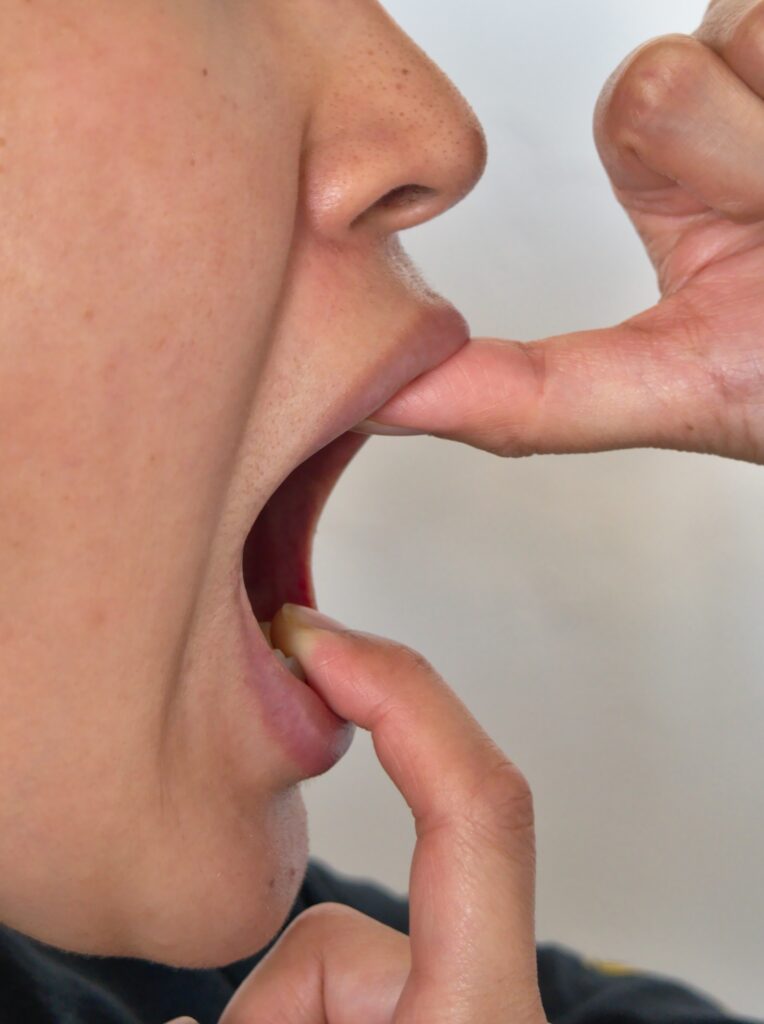
  1. Thumb Sucking: Thumb sucking is a common habit among infants and young children and typically serves as a source of comfort. However, if this habit persists beyond early childhood, it can lead to dental problems. Prolonged thumb sucking can cause misalignment of the teeth, leading to an open bite, where the upper and lower front teeth do not meet properly when the mouth is closed. Additionally, it can contribute to changes in the roof of the mouth, affecting speech development and increasing the risk of palate abnormalities.
  • Nail Biting: Nail biting, also known as onychophagia is a habit that can have detrimental effects on both oral and overall health. Constant nail biting can lead to chipped or cracked teeth, as well as wear and tear on the enamel. Moreover, it increases the risk of bacterial infections and the transmission of germs from the nails to the mouth, potentially causing oral infections and inflammation of the gums. Also, due to nail-biting habit, over the period of type misalignment of teeth can be noticed due to uneven pressure on teeth.
  • Tongue Thrusting: Tongue thrusting, also known as reverse swallowing, occurs when the tongue pushes against the teeth or thrusts forward during swallowing. Like thumb sucking, tongue thrusting can contribute to dental misalignment and bite issues. It can also lead to speech impediments and difficulties with chewing and swallowing food properly. Individuals with tongue thrusting habits may find it challenging to maintain good oral hygiene, as the improper tongue positioning can hinder effective cleaning of the teeth and gums.
  • Teeth Grinding (Bruxism): Teeth grinding, or bruxism, is the involuntary clenching or grinding of the teeth, often occurring during sleep. Bruxism can result in excessive wear and tear on the teeth, leading to fractures, cracks, and even tooth loss over time. It can also cause jaw pain, headaches, and temporomandibular joint (TMJ) disorders. Stress and anxiety are common triggers for bruxism, but it can also be associated with misaligned teeth or sleep disorders.
  • Mouth Breathing:  Mouth breathing can be caused by plenty of reasons like nasal obstructions, enlarged tonsils, structural abnormalities, etc. While occasional mouth breathing is normal, chronic or habitual mouth breathing can cause oral and health problems.

Here are some ways to help reduce the harmful effects of these habits:

  • Awareness: Recognize the habit and its potential consequences. Understanding the impact on oral health can motivate individuals to take action.
  • Behavioural Modification: Replace the habit with healthier alternatives, such as chewing sugar-free gum instead of biting nails or sucking on a stress ball instead of thumb sucking.
  • Orthodontic Treatment: Consult with a dentist or orthodontist to address dental misalignment caused by thumb sucking, tongue thrusting, or bruxism. Orthodontic appliances or habit breaking appliances may be recommended to correct the issues.
  • Stress Management: Practice stress-reduction techniques, such as deep breathing, meditation, or exercise, to alleviate triggers for nail biting or teeth grinding.
  • Dental Care: Maintain regular dental check-ups and practice good oral hygiene habits, including brushing twice a day, flossing daily, and using mouthwash to reduce the risk of dental problems associated with these habits.

At Teeth Care Centre, we have the best dentist, like pedodontists and orthodontists, to handle and educate our patients on this.

Fluoride therapy in Dentistry

Maintaining optimal oral health is important for overall well-being, and preventive measures play a crucial role in achieving that. One such preventive intervention that has significantly contributed to dental health is fluoride therapy. Widely used in dentistry, fluoride therapy has proven to be a reliable and effective method for preventing tooth decay and promoting stronger, healthier smiles.

What is fluoride?

Fluoride is a naturally occurring element found in various sources such as water, soil, and certain foods. In dentistry, fluoride’s role is primarily centered on its ability to remineralize and strengthen tooth enamel, making it more resistant to acid attacks from bacteria and plaque.

Applications of Fluoride Therapy:

  • Topical Fluoride Treatments:
  • Professional Fluoride Application: Dentists often apply high-concentration fluoride gels, foams, or varnishes during routine dental check-ups. This provides a concentrated dose of fluoride to strengthen the teeth.
  • At-Home Prescription Products: Dentists may prescribe fluoride toothpaste or mouthwash with higher fluoride content for patients at higher risk of tooth decay.
  • Fluoride in Water Supply:            

Community Water Fluoridation: Many communities adjust the fluoride content in their water supply to provide a consistent, low-dose exposure to fluoride, benefiting the entire population.

  • Fluoride Supplements:

Prescription Supplements: Dentists may recommend fluoride supplements, such as tablets or drops, for individuals who do not have access to fluoridated water or are at a higher risk of tooth decay.

Benefits of Fluoride Therapy:

  • Prevention of Tooth Decay: Fluoride strengthens enamel, making it more resistant to acids and preventing the demineralization process that leads to cavities.
  • Remineralization of Teeth: Fluoride promotes the remineralisation of areas where enamel has started to demineralize, reversing the early stages of tooth decay.
  • Reduction in Sensitivity: Fluoride therapy can help reduce tooth sensitivity by strengthening enamel and blocking exposed dentin tubules.
  • Protection for All Ages: Beneficial for individuals of all ages, from young children developing their first teeth to adults maintaining their oral health.
  • Community-wide Impact: Fluoridated water has been recognized as one of the most effective and equitable community-based public health measures, benefitting individuals irrespective of age, socio-economic status, or access to dental care.

Considerations and Safety:

While fluoride therapy is generally safe and effective, it’s essential to consider individual factors such as age, oral health status, and risk factors for fluorosis (excessive fluoride intake). Dentists carefully tailor fluoride recommendations to each patient’s unique needs.

At Teeth Care Centre, we have the best dentist for fluoride treatment in Ahmedabad to perform fluoride application procedure according to particular needs of oral and dental situation. We make a point to ensure that adequate levels of fluoride needed are absorbed by the teeth in order to successfully cease the acidic breakdown of the outer layer of the teeth.