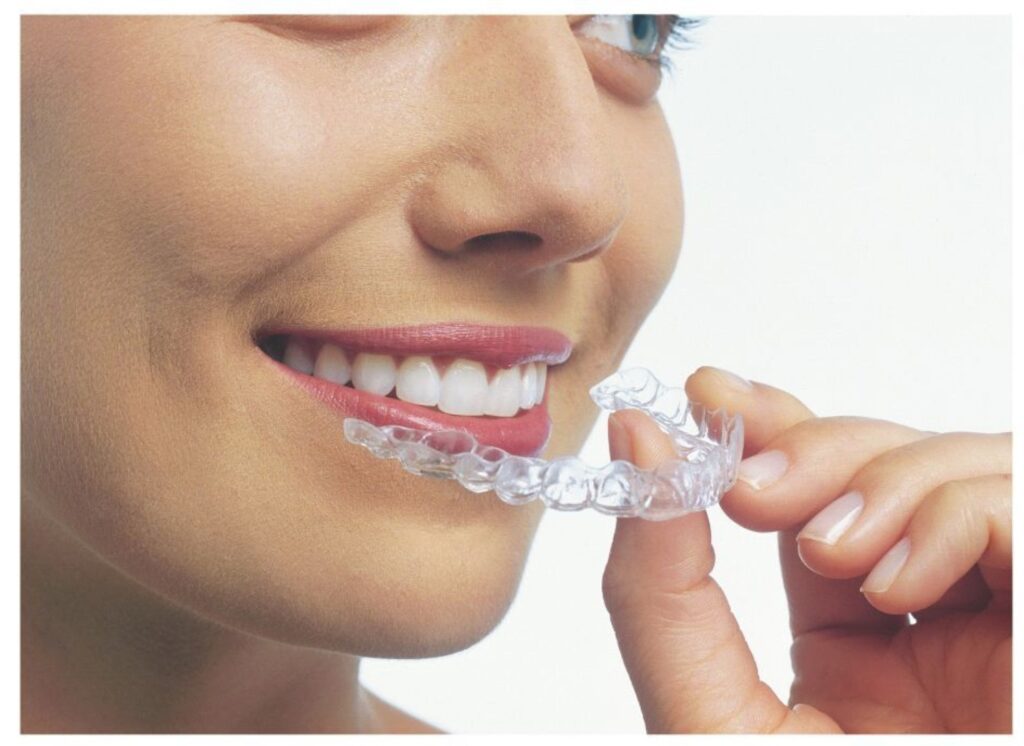
How does oral piercing damage oral health?

Oral piercing is a form of body modification that involves inserting jewellery, such as rings, studs, or barbells, into various parts of the mouth, such as the tongue, lip, cheek, or uvula. These piercings are often done for aesthetic reasons as a means of self-expression and personal style.

These piercings are usually performed by professional piercers who have experience and training in such procedures. The procedure involves using a sterilized needle to create a hole through the chosen area, followed by the insertion of jewellery.

Types:

  1. Tongue Piercing: This involves piercing the tongue horizontally or vertically, typically through the midline. It is one of the most popular forms of oral piercing.
  2. Lip Piercing: Lip piercings can be done in various locations, including the lower lip (labret piercing), upper lip (Monroe piercing), or either side of the lower lip (snake bite piercing).
  3. Cheek Piercing: Also known as dimple piercings, cheek piercings involve placing jewellery through the cheeks. These piercings are less common than tongue or lip piercings.
  4. Uvula Piercing: Uvula piercing is a less common form of oral piercing where the jewellery is inserted through the uvula, the small, dangling structure at the back of the throat.

While these piercings can be visually eye-capturing, it’s important to be aware of the potential risks they pose to your dental health.

Complications:

  1. Tooth Damage: One of the most significant risks associated with oral piercings is dental damage. The jewellery can come into contact with teeth when speaking, eating, or sleeping, leading to chips, cracks, or even tooth fractures over time.
  2. Excessive Salivation: Some individuals with tongue piercings may experience increased salivation, which can be uncomfortable and interfere with daily activities.
  3. Gum Irritation: The constant friction between oral jewellery and the gums can cause irritation, leading to gum recession. Gum recession exposes the tooth roots, making them more susceptible to decay and sensitivity.
  4. Infections: Piercing procedures, if not performed by a licensed and experienced professional, can introduce bacteria into the mouth, increasing the risk of infection. Infections can cause swelling, pain, and complications that may require medical attention.
  5. Swelling and Speech Problem: After getting an oral piercing, it’s common to experience swelling, which can temporarily affect speech and make it challenging to eat and drink comfortably.
  6. Choking Hazard: Oral jewellery, especially small beads or studs, can become dislodged and pose a choking hazard if accidentally swallowed or aspirated and cause life-threatening situations.
  7. Uncontrolled Bleeding: If any blood vessel is damaged in the jewellery insertion procedure, then there can be severe blood loss.
  8. Risk of blood-borne diseases: Oral piercing provides or generates a pathway for bacteria to enter, which can lead to diseases like hepatitis.

 How to care?

  1. Choose a Professional: Seek out an expert and experienced piercer who follows strict hygiene and safety protocols.
  2. Maintain Excellent Oral Hygiene: Brush your teeth and gums carefully, cleaning of tongue and flossing of teeth should be done regularly and use an alcohol-free, antimicrobial mouthwash to reduce the risk of infection.
  3. Rinse with Saline Solution: Rinse your mouth with a saline solution after eating, drinking, or smoking to reduce the risk of infection.
  4. Avoid Playing with the Jewellery: Resist the temptation to play with or constantly move the jewellery, as this can increase the risk of damage and irritation.
  5. Look out for signs of infection: Be careful for signs of infection, such as increased pain, swelling, pus, or fever. If you suspect an infection, seek immediate medical attention.
  6. Regular Dental Check-ups: Schedule regular dental check-ups to monitor your oral health and discuss any concerns with your dentist.

Dr Pankti Patel, the chief dentist and the cosmetic dentist of the best dental clinic in Ahmedabad, Teeth Care Centre, always advises her patients to refrain from any activity that causes them any sort of permanent damage, by giving her honest opinion. Yet, she understands the fact that every person has a right to their self-expression. So, she always provides the best advice related to the patient’s dental well-being.

While oral piercings can be a unique form of self-expression, it’s essential to be aware of the potential risks they pose to dental health. If you choose to get an oral piercing, do your research, choose a professional piercer, and prioritize good aftercare to reduce the chances of complications. Ultimately, your smile should reflect your unique style and personality without compromising your dental well-being.

Why Many of India’s Top 1% Wealthy Still Look “Ordinary”

Wealth creates opportunity.
Mindset defines outcome.

Across global capitals, luxury is communicated silently—through posture, grooming, taste, and most importantly, the smile. Yet a striking reality persists: many Indian HNIs (High Net-Worth Individuals) carry smiles no different from their non-wealthy neighbours or relatives. Not because they lack money—but because they lack aesthetic awareness.

The Global Perception Problem
International society does not evaluate success by bank balance alone. It reads visual cues.
A compromised, untreated, or average smile sends an unintended message:

  • No attention to detail
  • No sense of beauty
  • No refinement
  • No global exposure

Abroad, such smiles are often misinterpreted as signs of limited means or poor aesthetic sense—regardless of actual wealth or status.
This is not bias. This is visual psychology.

The Real Issue: A Borrowed Mindset

Many wealthy individuals unconsciously inherit the aesthetic standards of their surroundings:

  • Same smile expectations as non-wealthy family members
  • Same local dentist choices
  • Same “it’s good enough” mentality

But wealth demands differentiation, not imitation.

You do not dress like your non-wealthy neighbour.
You do not live like them.
Then why should your smile be the same?

A Hard Truth About Dentistry
Just as most people are not wealthy, most dentists are not positioned for elite patients.
This is not arrogance.
This is segmentation.

  • Majority dentists → designed for common functional needs
  • Elite cosmetic dentistry → designed for status, harmony, global aesthetics, and perception

All dentists are not the same, just as all clients are not the same.

If you belong to the top 1%, your dentist must:

  • Understand international smile standards
  • Respect your social and professional position
  • Design a smile that communicates refinement, not just alignment
  • Think like a global aesthetic expert—not a local technician

Wealth Requires an Upgraded Aesthetic Code
A smile is not just teeth. It is:

  • A symbol of class
  • A marker of self-respect
  • A silent introduction in global circles

True wealth upgrades mindset first, appearance second.

Stop benchmarking your smile against:

  • Non-wealthy relatives
  • Local averages
  • “Good enough” opinions

Start benchmarking it against:

  • Global elites
  • International business leaders
  • High-society aesthetics

Where Teeth Care Centre Dental Hospital Fits In

This is exactly where Teeth Care Centre Dental Hospital stands apart.

Not as a clinic for the masses—
but as a destination for individuals who understand positioning.

At Teeth Care Centre:

  • Smiles are designed with international aesthetic principles
  • Treatment respects social stature and global perception
  • Dentistry is approached as image architecture, not routine care
  • Every smile is tailored to reflect confidence, class, and credibility

This is dentistry for those who do not want to look wealthy
but want to be perceived correctly worldwide.

Final Thought

Wealth without aesthetic intelligence is invisible abroad.
And a smile without refinement quietly erases status.

If you are rich—
think rich, choose rich, and smile rich.

Because in the global arena,
your smile speaks before you do.