
What is Dental Phobia?

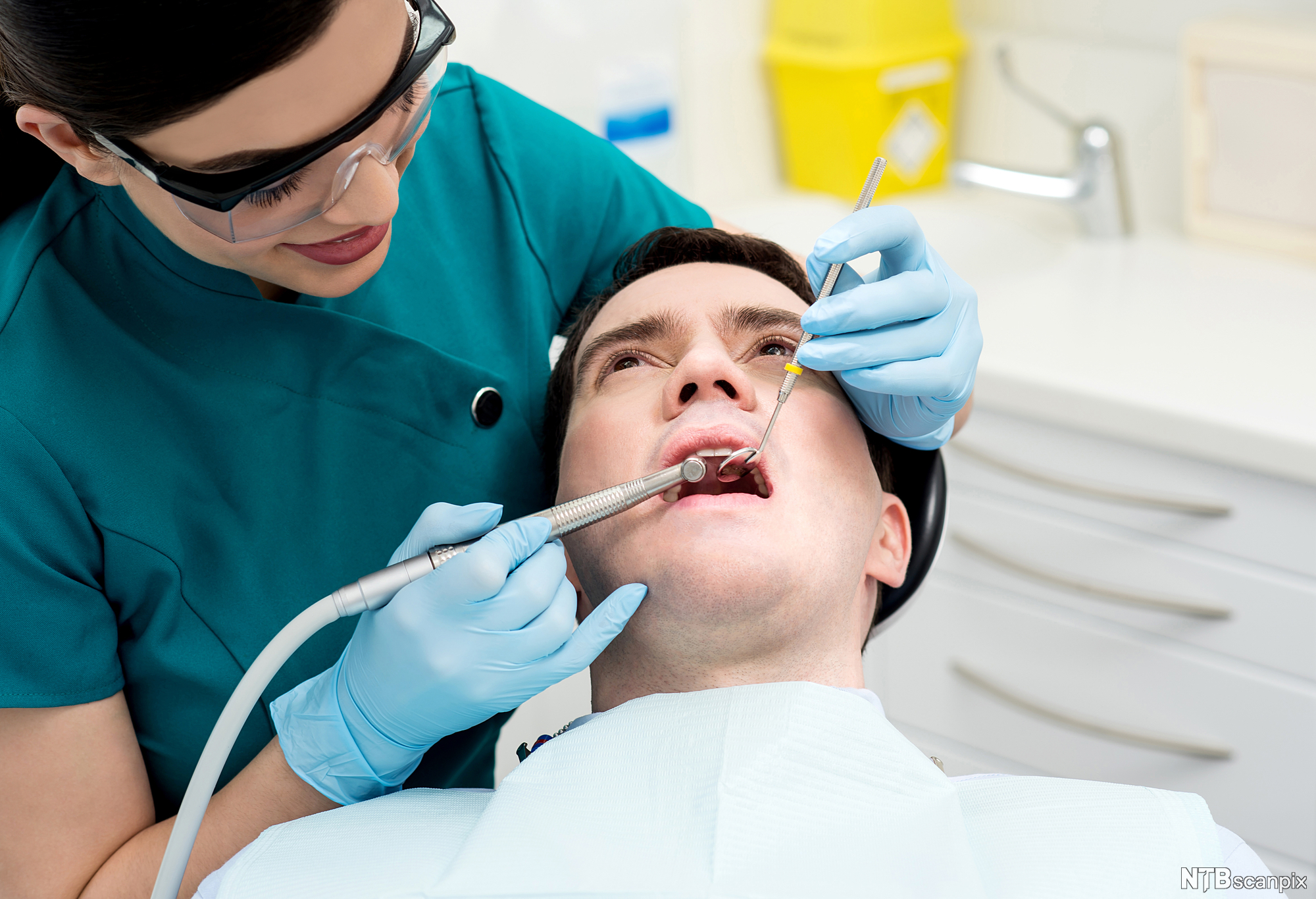
Dental anxiety, also known as dental phobia or odontophobia, is a common psychological condition that affects a significant amount of the population. It involves an overwhelming fear related to dental visits, procedures, or even the mere thought of going to the dentist. Dental anxiety can have serious consequences, as it may prevent individuals from seeking necessary dental care, leading to deteriorating oral health.

Causes:

  1. Fear of Pain: Many people associate dental visits with pain, which can trigger anxiety. This fear is often rooted in past negative experiences or stories heard from others.
  2. Lack of Control: Being in a vulnerable position in the dentist’s chair can make some individuals feel helpless and anxious.
  3. Embarrassment: People with dental problems may feel embarrassed about the condition of their teeth, leading to anxiety about being judged or criticized by dental professionals.
  4. Negative Past Experiences: Previous traumatic or uncomfortable dental visits can create a lasting fear of dental care.
  5. Fear of the Unknown: Not knowing what to expect during a dental procedure can lead to anxiety. Dentists should communicate clearly with patients about the procedure and its potential discomforts.
  6. Sensory Sensitivities: Some individuals are highly sensitive to sensory inputs like sounds, tastes, and smells commonly associated with dental procedures.

Symptoms:

  • Rapid Heartbeat: Increased heart rate is a typical response to anxiety and stress.
  • Tension and Restlessness: Restlessness, fidgeting, and muscle tension are common signs of anxiety.
  • Nausea: Anxiety can lead to digestive issues, including nausea and upset stomach.
  • Sweating: Excessive sweating, particularly in the palms or forehead, can occur when anxiety levels rise.
  • Panic Attacks: In severe cases, dental anxiety can trigger panic attacks characterized by intense fear, shortness of breath, and a feeling of impending doom.
  • Avoidance Behaviour: People with dental anxiety may go to great lengths to avoid dental appointments altogether, even when they have dental issues that need attention.

How to manage dental phobia:

  • Choose a Caring Dentist: Look for a dentist who specializes in treating anxious patients and is known for their compassionate approach.
  • Communication: Openly discuss your fears with your dentist. Knowing your issues can help them tailor the treatment plan accordingly.
  • Desensitization: Gradually exposing yourself to dental environments and procedures can help reduce anxiety over time.
  • Relaxation Techniques: Practice relaxation methods like deep breathing, meditation, or progressive muscle relaxation before and during dental visits.
  • Medication: In some cases, dentists may recommend you to seek keep from psychologist for your anxiety issues, and they might recommend you anti-anxiety medications to help patients relax during procedures.
  • Sedation Dentistry: Discuss options for sedation dentistry with your dentist. Sedation can help you relax and may be a viable solution for more extensive procedures.
  • Distraction: Bring headphones and listen to calming music or an audiobook during the procedure to divert your attention.
  • Support: Bring a trusted friend or family member to accompany you to the dental appointment for emotional support.
  • Behavioural Therapy: Consider cognitive-behavioural therapy (CBT) or exposure therapy, which can help you change your thought patterns and gradually confront your fears.

At Teeth Care Centre, we understand that every patient is different. We aim to provide them with the best service and care possible. Dr. Pankti Patel, the best dentist in Ahmedabad, and the chief dentist of Teeth Care Centre, has mastered in Oral Diagnosis. She makes sure the first visit of the patient at Teeth Care Centre, is always fear free and goes smoothly, along with a great experience. With her expert skills, Dr. Pankti makes sure she provides the utmost comfort and the best treatment possible to the patient.

Dental phobia is a common but manageable condition that should not prevent anyone from receiving essential dental care. With the right strategies and support, it is possible to overcome this fear and maintain good oral health. Remember that dental professionals are here to help and understand your concerns. Don’t let dental phobia stand in the way of a healthy smile and overall well-being. Seek help, take small steps, and prioritize your dental health.

Are you in a Dental Emergency?

I will take care !

Dental emergencies can come at any time, and when they do, they often catch patients off guard. Unlike other medical emergencies, dental issues can be confusing, and it may be challenging to determine what constitutes a true dental emergency.

What is a dental emergency?

A dental emergency is a situation in which you require immediate dental care to ease severe pain, save a tooth, or prevent serious complications. These emergencies can vary in severity, but they all demand prompt attention to prevent further damage and relieve discomfort.

It includes:

  1. Severe Toothaches: Intense, persistent tooth pain often indicates an underlying issue that needs prompt attention.
  2. Broken or Knocked-Out Teeth: Whether due to an accident, fall, or injury, broken or avulsed (knocked-out) teeth require immediate treatment to salvage or repair the tooth.
  3. Oral Bleeding: Uncontrolled bleeding from the mouth, gums, or tongue may be indicative of a serious problem, such as a deep laceration or infection.
  4. Infections: Dental infections can cause severe pain, swelling, and fever. These require immediate intervention to prevent the infection from spreading to other parts of the body.
  5. Lost Dental Restorations: Losing a filling, crown, or dental bridge can expose the sensitive inner layers of the tooth and necessitate prompt replacement.
  6. Severe Gum Infections: Gum infections that cause swelling, pus discharge, and extreme discomfort should be addressed quickly to prevent complications.
  7. Jaw Injuries: Trauma to the jaw, such as dislocations or fractures, should be treated urgently to ensure proper healing and alignment.

How do you recognize a dental emergency:

  • Intense and Unbearable Pain: If you’re experiencing severe and persistent tooth or gum pain, don’t ignore it. Pain is often a sign that something is seriously wrong.
  • Swelling and Inflammation: Swelling in the mouth, face, or neck can indicate an infection or abscess that requires immediate attention.
  • Bleeding: If you’re bleeding from the mouth due to an injury or dental issue and can’t control it within a reasonable timeframe, seek help immediately.
  • Trauma to Teeth or Jaw: Any trauma that results in damage to teeth or the jaw should be treated as an emergency to prevent further complications.
  • Lost or Loose Teeth: If you’ve lost a tooth or if a tooth becomes loose suddenly, it’s essential to see a dentist as soon as possible to increase the chances of saving the tooth.

What Can you do?

  1. Contact Your Dentist: If you’re experiencing a dental emergency, the first step is to call your dentist immediately. Explain the situation and ask for guidance on what to do next.
  2. Stay Calm: Panic can exacerbate the situation. Try to remain as calm as possible to make rational decisions.
  3. Handle a Knocked-Out Tooth with Care: If a tooth gets knocked out, pick it up by the crown (top part) and avoid touching the root. Rinse it gently with clean water if it’s dirty, but do not scrub or remove any attached tissue. Place the tooth back in its socket if possible, or store it in a container of milk or saliva and bring it to the dentist as soon as possible.
  4. Control Bleeding: If you’re experiencing excessive bleeding from the mouth, apply gentle pressure with a clean gauze or cloth to stop the bleeding.
  5. Manage Pain: Over-the-counter pain relievers may help alleviate pain temporarily, but avoid placing aspirin or pain medication directly on the affected area, as it can cause tissue damage.

Preventive measures:

  • Maintain Regular Dental Check-Ups: Routine dental visits can catch and address issues before they become emergencies.
  • Practice Good Oral Hygiene: Brush and floss daily to prevent cavities and gum disease.
  • Wear Protective Gear: If you’re engaged in contact sports, use a mouthguard to protect your teeth.
  • Avoid Chewing on Hard Objects: Never chew on ice, popcorn kernels, or other hard objects that can damage your teeth.

Dental emergencies can be painful and frightening, but knowing what to do and seeking immediate care can make a significant difference in preserving your dental health. Teeth Care Centre, the best dental clinic in Ahmedabad, understands the anxiety and fear a patient can get, if they are going through a dental emergency. Dr. Pankti Patel, the chief dentist of TCC, acknowledges your concern and always makes sure you feel calm and composed during such crisis, and gives you the best advice and treatment possible, through her commitment towards perfection.

Regular dental check-ups and good oral hygiene are your first line of defense against these emergencies. If a dental crisis does occur, stay calm, contact your dentist, and follow their instructions to minimize damage and discomfort. Remember, your dentist is your ally in maintaining a healthy, pain-free smile.

Are Dental Implants the right choice for your missing teeth?

preview16A beautiful, confident smile is a reflection of self-assuredness and well-being. But what happens when you lose a tooth, impacting not only your smile but also your ability to chew and speak comfortably? This is where dental implants come into the game, offering a lifelike, durable solution that can restore your confidence.

What is a Dental Implant?

Dental implants are a game-changer in the world of dentistry. They are artificial tooth roots made of biocompatible materials like titanium. Surgically implanted into the jawbone, they serve as a sturdy foundation for replacement teeth, allowing you to regain the look, feel, and function of natural teeth.

Three essential components of dental implants are:

  1. Implant: A small titanium screw is surgically placed into the jawbone, acting as a foundation for the replacement tooth.
  2. Abutment: A connector piece, that joins the implant to the crown or prosthesis and holds it securely in place.
  3. Crown: A customized, tooth-like replacement that sits on top of the abutment, mimicking the appearance and function of a real tooth.

How is Dental Implant Placed?

  • Initial Consultation: The process begins with a comprehensive consultation with your dentist or oral surgeon. They will evaluate your oral health, take X-rays or dental CT scans to assess bone structure, bone thickness, and density, and discuss your dental history and treatment options.
  • Treatment Planning: Based on the assessment, a customized treatment plan is created. This plan outlines the number of implants needed, their ideal placement positions, and the type of restoration or prosthesis (crown, bridge, denture) that will be attached to the implants.
  • Implant Placement: After the complete treatment planning is completed, the implant placement surgical procedure begins.
  • Osseointegration: Over the next 4 to 6 months, the process of osseointegration occurs. The bone tissue gradually fuses with the surface of the implant, providing a stable foundation.
  • Abutment Placement: Once osseointegration is completed, abutments are attached to the implant. Abutments are small connectors that protrude through the gum line and serve as attachment points for the eventual crown, bridges, or dentures.
  • Restoration: After abutment placement, your dentist will take impressions or intraoral scans of your mouth to create a custom crown, bridge, or denture that will be secured to the abutments. This restoration will be designed to match the shape, size, and color of your natural teeth.
  • Final Placement: The final restoration is securely attached to the abutments after the trial procedures are completed by making minor adjustments if required, completing the implant procedure. It is adjusted to ensure proper alignment and function.
  • Follow-Up and Maintenance: Your dentist will schedule follow-up appointments to monitor your healing progress and the long-term success of the implant. Good oral hygiene, including regular brushing, flossing, and professional cleanings, is essential to maintain the health of the implant and surrounding tissues.

The Benefits of Dental Implants:

  • Natural Appearance: Dental implants and prosthesis are designed to match your natural teeth in color, shape, and size, ensuring a seamless, authentic look.
  • Enhanced Confidence: Dental implants can boost your self-esteem by restoring your smile, allowing you to speak and smile confidently.
  • Improved Functionality: They function like natural teeth, enabling you to eat, chew, and speak comfortably and without restrictions.
  • Durability: With good hygiene measures, dental implants can last a lifetime, offering a long-term solution to tooth loss.
  • Preservation of Bone Structure: Implants stimulate the jawbone, preventing bone loss, which often occurs when teeth are missing.

Why Choose Teeth Care Centre?

Teeth Care Centre, the best dental implant clinic in Ahmedabad, always keeps upgrading with the latest technological advancements.  Dr. Pankti Patel, Chief Dentist, explains the entire procedure, the prognosis, and treatment outcomes and clears all queries the patient has, regarding the implant procedure. Dr. Pankti Patel is an internationally trained dental implant specialist who performs advanced robotic guided Implant surgeries like sinus lift, ridge splitting, and bone grafting. Along with it, we have a team of licensed and experienced Oral surgeons, Implant Surgeons, and Implant Prosthesis specialists for the best treatment outcome. At TCC, we use the best and world-recognized brand for Dental Implant, Nobel Biocare, from Swiss origin. Along with using the best brand, at our facility, the Implant placement is done with the help of Robotic Guided Surgery. Robotic-guided surgery is precise, painless, bloodless, and stitchless, and provides faster healing than the traditional implant placement methods.

Dental implants are more than just replacements for missing teeth; they are bridges to confidence and oral well-being.