All the information you need: Multiple tooth extraction, one Visit

When faced with the prospect of having multiple teeth extracted, it is natural to feel concerned about the number of dental visits required. Many individuals wonder if it is possible to have multiple teeth removed in a single visit to the dentist. In this post, we will explore the possibilities and considerations associated with removing multiple teeth during a single dental appointment.

The Process of Tooth Extraction:

Tooth extraction is a common dental procedure performed to address various issues, including severe decay, advanced periodontal disease, or the need for orthodontic treatment. During an extraction, the tooth is carefully loosened and removed from its socket in the jawbone. The complexity of the extraction process depends on several factors, including the tooth’s condition, the presence of infection, and the patient’s overall oral health.
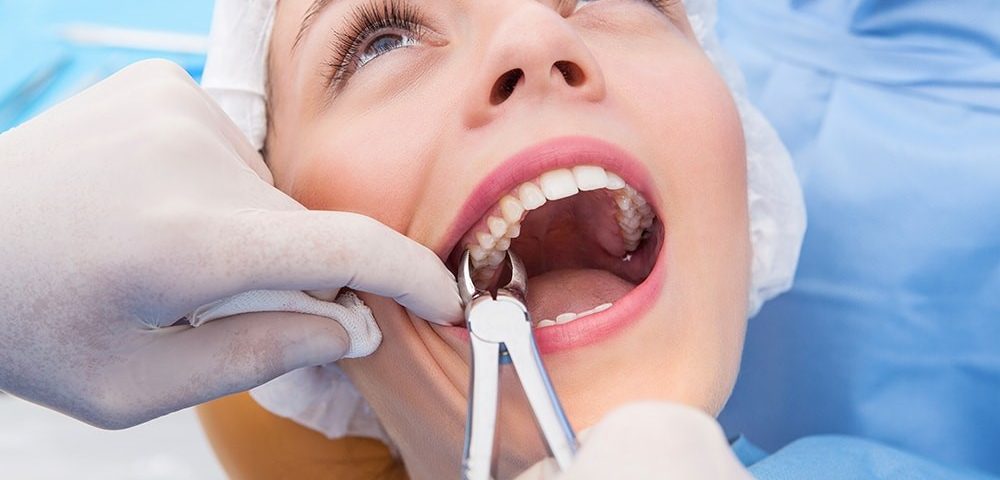
Tooth-Romoval-extraction-oral-surgeon-dentist-painfree-dental-treatment-surgery-in-ahmedabad-teeth-care-centre

Factors Influencing Multiple Tooth Extractions:

  1. Tooth Condition: The condition of the teeth plays a crucial role in determining whether multiple extractions can be performed in a single visit. If the teeth are decayed or damaged beyond repair, extraction might be the best option.
  2. Treatment Plan: A comprehensive treatment plan is essential to ensure that the dentist understands the patient’s dental needs. The dentist will evaluate the oral health, consider the patient’s medical history, and determine the feasibility of removing multiple teeth in a single visit.
  3. Patient Comfort and Safety: The dentist’s primary concern is always the patient’s comfort and safety. While removing multiple teeth in one visit may be possible, the dentist will assess whether it is advisable based on the patient’s overall health, any underlying conditions, and the complexity of the extractions.

Advantages of Multiple Tooth Extractions in a Single Visit:

  1. Time Efficiency: Removing multiple teeth in a single visit saves time for both the patient and the dentist. Instead of scheduling multiple appointments, the dentist can complete the extractions in a streamlined manner, reducing the overall treatment duration.
  2. Cost Savings: Fewer dental visits mean potentially lower costs for the patient. By condensing the extraction process, patients can avoid multiple visits and save on transportation or other expenses.
  3. Minimized Healing Time: Extracting multiple teeth simultaneously means that the patient will experience the initial discomfort and healing process only once. This approach can minimize the overall recovery time compared to having several separate extractions.

Considerations and Limitations:

While extracting multiple teeth in a single visit may be possible in some cases, there are limitations and considerations to keep in mind:

  1. Overall Health: The patient’s overall health is crucial in determining the feasibility of multiple extractions in one visit. Certain medical conditions or medications might require a more conservative approach, spreading the extractions over multiple appointments.
  2. Anesthetic Considerations: Administering local anesthesia to numb the extraction site(s) can have limitations when multiple teeth are involved. The amount of anesthesia needed and the patient’s tolerance must be taken into account to ensure comfort and safety during the procedure.
  3. The complexity of Extractions: The complexity of the extractions, such as impacted teeth or extensive root systems, might require additional time and care. In such cases, the dentist may recommend spacing out the extractions to minimize potential complications.

Why choose Teeth Care Centre for tooth removal in Ahmedabad?
Teeth Care Centre (TCC) has an MDS – Best Oral Surgeons in Ahmedabad to perform surgeries according to various complexities. With the continuous advancement in the latest technology, TCC uses painless injection, laser for minimum invasive bloodless tooth extraction surgeries, and a stringent 7-step sterilization protocol that meets ADA and CDC guidelines. We impart nitrous conscious sedation for calm and comfortable tooth extraction as the patient’s ease and comfort are our utmost priority.
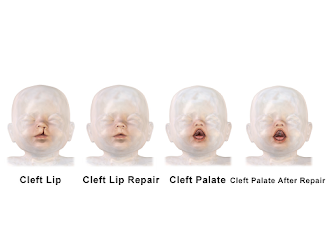
CLEFT LIP & CLEFT PALATE

What is a Cleft lip?

The fourth to seventh weeks of pregnancy are when the lip develops. When the growing facial tissues of an unborn infant don’t completely close, it results in a cleft lip, which is an opening or split in the top lip. A little slit or a wide aperture that extends from the lip into the nose can be present in the lip. A cleft lip can develop on one, both, or even both sides of the lip, as well as very infrequently, in the middle of the lip. A cleft lip and palate can coexist in children.

What is Cleft Palate?

Between the sixth and ninth weeks of pregnancy, the palate (the roof of the mouth) begins to develop. When the tissue doesn’t fuse together when the baby is developing in the womb, it results in an opening or split in the roof of the mouth.

Cleft_Lip_&_Cleft_Palate_Repair

Other Problems:  Children with a cleft lip with or without a cleft palate or a cleft palate alone often have problems such as:

  1.  Difficulty with feedings.
  2. Difficulty swallowing, with the potential for liquids or foods to come out of the nose
  3. Nasal speaking voice or not able to speak clearly
  4. Chronic ear infections
  5. Dental problems.

Ratio: The most prevalent birth malformations are cleft lip and cleft palate. It is generally agreed that one in 1,000 births will result in cleft lip and palate. Nonetheless, socioeconomic status, geographic origin, and ethnic background all significantly impact its occurrence.

Causes and Risk Factors:

Causes:

Most cases of cleft lip and cleft palate are caused by an interaction of genetic and environmental factors. In many babies, a definite cause isn’t discovered.

Risk Factors: There are a number of risk factors that can raise a baby’s chance of having cleft lip and cleft palate, including

  1. Family History: Having a child with cleft lip or palate is more likely for parents who have a history of the condition.
  2.  Diabetes: Compared to women who did not have diabetes, women who were diagnosed with the disease prior to becoming pregnant had an increased risk of having a child with a cleft palate.
  3.  The use of specific medications increases the chance of birth abnormalities, such as cleft lips and palates. These medications are prescribed to treat or prevent seizures.
  4. Smoking or Alcohol: Women who smoke or drink alcohol are more likely to have a baby with cleft compared to women who do not smoke or drink alcohol.

When to see a doctor?

A cleft lip and cleft palate are usually noticed at birth, and your doctor may start coordinating care at that time. To correct the condition, you will likely work with a team involving a plastic surgeon, maxillofacial surgeon, otolaryngologist (ear, nose, and throat specialist), general dentist, orthodontist, and oral surgeon.

 For more information visit Best Dental Clinic in Ahmedabad- Teeth Care Centre Dental Hospital

Early Orthodontic Intervention in Children

A confident smile is more than just aesthetically pleasing; it plays a vital role in a child’s overall development and self-esteem. The orthodontic intervention has traditionally been associated with teenagers or adults, but it’s becoming increasingly recognized that early orthodontic treatment in children can yield significant benefits. Early intervention can help correct dental irregularities, guide proper jaw growth, and lay the foundation for optimal dental health throughout life.

Understanding Early Orthodontic Intervention

Early orthodontic intervention, also known as interceptive orthodontics, involves diagnosing and treating dental issues in children at a young age, typically before they reach adolescence. It aims to address oral and facial irregularities, guide the growth of developing teeth and jaws, and prevent more complex problems from arising later on. By identifying and addressing these issues early, orthodontists can create an environment that allows permanent teeth to erupt in the correct position, leading to improved oral health and overall well-being.

children-smile-eyes-happy

Common Dental Issues in Children

Several dental issues can benefit from early orthodontic intervention. Here are some common problems orthodontists address:

  1. Malocclusions: Malocclusions refer to misalignments of the teeth and jaws, including overcrowding, overbites, underbites, and crossbites. Early intervention can guide proper alignment and prevent these conditions from worsening as the child grows.
  2. Thumb-sucking and Pacifier Habits: Prolonged thumb-sucking or pacifier use can affect the alignment of teeth and cause jaw development problems. Early orthodontic treatment can help break these habits and minimize their impact on dental health.
  3. Early Tooth Loss: Premature loss of primary (baby) teeth due to accidents, decay, or other factors can affect the spacing and alignment of permanent teeth. Orthodontic intervention can help manage the space and ensure proper eruption of permanent teeth.

Benefits of Early Orthodontic Intervention

  1. Enhanced Dental Development: Early intervention allows orthodontists to guide the growth of teeth and jaws, ensuring proper alignment and occlusion. This can reduce the need for extensive orthodontic treatment later in life.
  2. Improved Oral Health: Correcting dental irregularities early on can facilitate better oral hygiene practices, as properly aligned teeth are easier to clean. This can help prevent tooth decay, gum disease, and other oral health issues.
  3. Boosted Self-Confidence: Addressing dental problems in childhood can prevent potential self-esteem issues that may arise from visible irregularities. A healthy and attractive smile can improve a child’s self-confidence and overall well-being.
  4. Avoidance of Complex Treatments: Early intervention can help avoid or minimize the need for more invasive and complex orthodontic procedures, such as tooth extractions or jaw surgery, in the future.
  5. Timely Detection of Underlying Issues: Early orthodontic assessment provides an opportunity to identify any underlying skeletal or developmental issues that may require additional attention. Detecting such problems early can lead to timely referrals to other specialists if necessary.

Common Early Orthodontic Treatments

  1. Space Maintainers: These devices are used to hold space for permanent teeth when a primary tooth is lost prematurely. Space maintainers prevent adjacent teeth from drifting into the empty space and ensure proper alignment of permanent teeth.
  2. Expanders: Orthodontic expanders are used to widen the upper jaw, creating additional space for crowded teeth. They help correct crossbites, improve breathing, and enhance overall facial symmetry.
  3. Aligners/Braces: Children may sometimes require Aligners/braces at an early age to address specific orthodontic issues. Early Aligners/braces treatment can correct crowded teeth, close gaps, and fix bite problems.
  4. Functional Appliances: These removable or fixed appliances are used to correct jaw discrepancies and improve jaw growth. They are particularly effective in addressing underbites and overbites.
  5. Orthodontic Headgear: Headgear is a device that uses external force to modify jaw growth and tooth alignment. It is primarily used to correct severe overbites and underbites.

At Teeth Care Centre, we have the best orthodontist in Ahmedabad who follows the protocol of correct diagnosis at the correct age so that proper treatment is available. The dentist uses all the highest-quality materials in its brands to render high-end quality treatment.

#MakingSmileIncredible