Why Early Diagnosis of Oral Cancer Is Important?

Oral cancer is a serious disease that affects the mouth and throat, including the lips, tongue, cheeks, gums, palate, and floor of the mouth. It often starts quietly, with small changes that may seem harmless, such as a sore, lump, or red or white patch. Because these early signs are usually painless, many people ignore them. Unfortunately, when oral cancer is diagnosed at a later stage, treatment becomes more complex, and recovery can be difficult. This is why early diagnosis is so important.
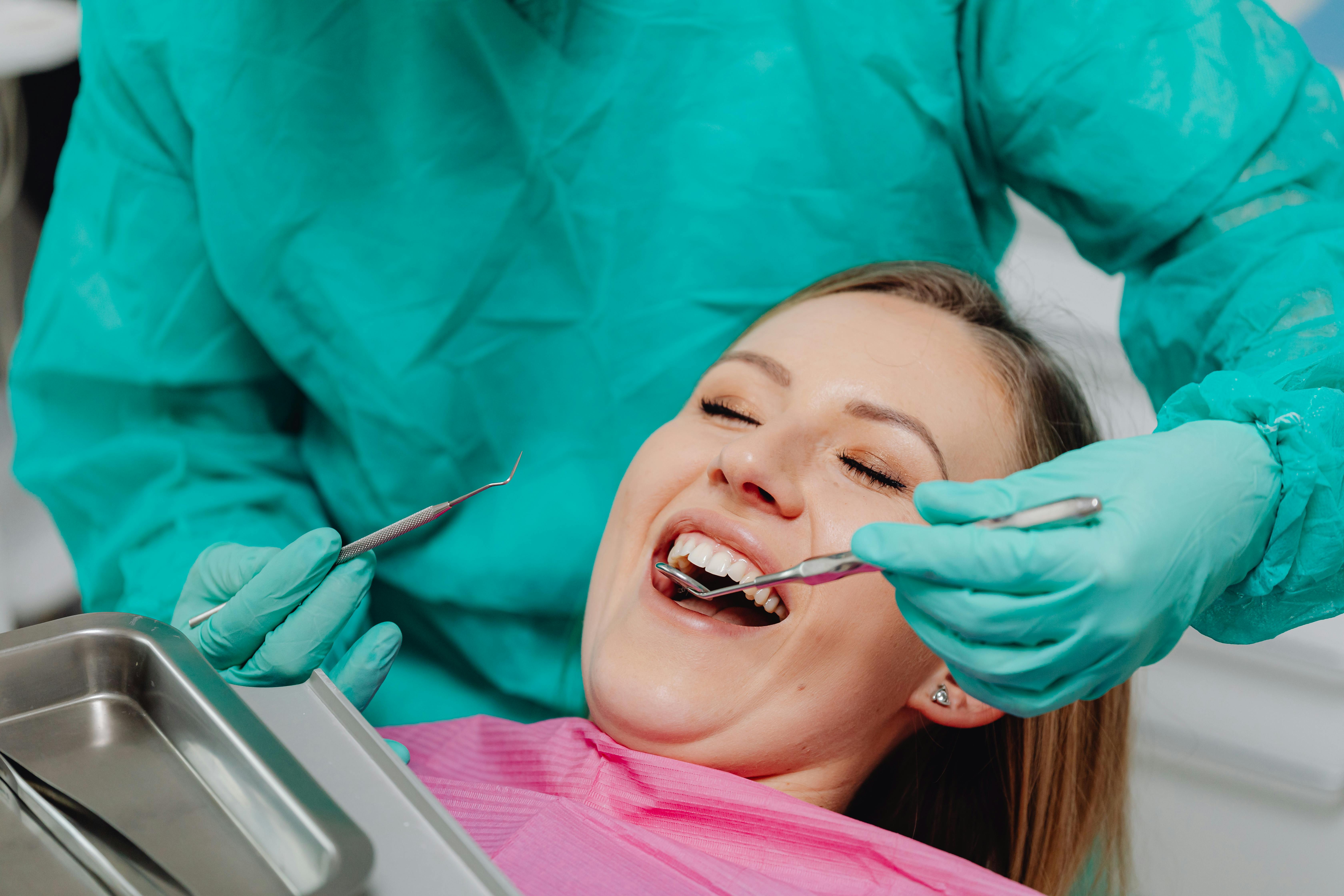
Why Early Diagnosis Matters

Detecting oral cancer early can save lives. At an early stage, the cancer is usually limited to a small area and can be treated effectively with minor surgery. This reduces the need for aggressive treatments such as chemotherapy or radiation therapy, which can be physically and emotionally challenging. Early diagnosis also lowers the risk of the cancer spreading to nearby tissues or lymph nodes, making treatment more effective and recovery faster.

Most importantly, early detection helps preserve essential oral functions such as speaking, chewing, swallowing, and appearance. This significantly improves a patient’s quality of life and reduces long-term complications. Early treatment is also less costly and less invasive, making it easier for patients to return to normal life sooner.

Risk Factors of Oral Cancer

Understanding what increases the risk of oral cancer can help prevent the disease and encourage early screening. Common risk factors include:

  • Tobacco use: Smoking cigarettes, cigars, bidis, or using smokeless tobacco is the leading cause of oral cancer.
  • Alcohol consumption: Heavy drinking increases the risk, especially when combined with tobacco.
  • HPV infection: Human papillomavirus (HPV) is linked to cancers of the mouth and throat.
  • Poor oral hygiene: Chronic irritation from plaque, gum disease, or broken teeth can contribute.
  • Ill-fitting dentures or chronic irritation: Constant irritation can damage the lining of the mouth over time.
  • Sun exposure: Prolonged exposure to sunlight increases the risk of lip cancer.
  • Dietary factors: A diet low in fruits and vegetables may increase vulnerability.
  • Age and gender: Oral cancer is more common in people over 40 and occurs more frequently in men.
  • Family history: Genetics may play a role in susceptibility to oral cancer.

Being aware of these risk factors can help patients take preventive measures and seek medical advice sooner.

Early Signs and Symptoms to Watch For

  • Oral cancer can start silently, but certain signs should never be ignored:
  • Sores in the mouth that do not heal within two weeks
  • Red or white patches inside the mouth
  • Lumps or thickened areas in the mouth or on the lips
  • Persistent pain or discomfort in the mouth or throat
  • Difficulty chewing, swallowing, or moving the jaw or tongue
  • Unexplained bleeding from the mouth
  • Numbness or unusual sensations in the mouth or lips

Even if these symptoms seem minor, they should be checked by the best dentist in Ahmedabad or doctor promptly. Early detection is much more effective than waiting until the cancer advances.

How Oral Cancer Is Diagnosed Early

Early diagnosis begins with awareness and routine check-ups. Here’s how it is usually done:

  • Self-examination: Patients should regularly check their mouth for unusual sores, lumps, or patches. Being familiar with the normal appearance of your mouth makes it easier to notice changes.
  • Regular dental visits: Dentists are trained to spot early signs of oral cancer during routine check-ups. They examine the mouth, tongue, gums, lips, and neck for any abnormal areas.
  • Adjunctive screening tools: In some cases, dentists may use special dyes, lights, or brush biopsies to identify abnormal cells that are not visible to the naked eye.
  • Biopsy: If a suspicious area is found, a small tissue sample is taken and analyzed in a lab. This is the most reliable way to confirm oral cancer.
  • Imaging tests: In some cases, X-rays, CT scans, or MRIs may be used to determine whether the cancer has spread.
  • Early detection using these methods allows doctors to start treatment before the cancer grows or spreads, which can save lives and improve recovery.

Preventing Oral Cancer and Protecting Oral Health

While not all cases of oral cancer can be prevented, patients can significantly lower their risk by:

  • Avoiding tobacco in all forms
  • Limiting or avoiding alcohol
  • Practicing good oral hygiene, including regular brushing and flossing
  • Eating a healthy diet rich in fruits and vegetables
  • Protecting lips from excessive sun exposure
  • Visiting the dentist at best dental clinic in Ahmedabad for regularly for check-ups and screenings
  • Paying attention to early warning signs and seeking medical advice promptly
  • By combining prevention with awareness and regular screenings, oral cancer can often be caught at an early, treatable stage.

Oral cancer is a serious but manageable disease if detected early. Awareness of risk factors, recognition of early signs, and regular dental visits are the most effective ways to catch oral cancer before it becomes advanced. Simple steps like avoiding tobacco and alcohol, maintaining good oral hygiene, and paying attention to changes in the mouth can make a huge difference. Early diagnosis saves lives, reduces treatment complications, and helps patients maintain a healthy, normal life.

Remember: even small changes in your mouth matter. Don’t ignore them — early action is the best protection.

Why Fluoride Is Important for Children?

During childhood, teeth are in a critical stage of development. The enamel of baby teeth and newly erupted permanent teeth is softer and more susceptible to acid attacks from bacteria and sugary foods. Fluoride strengthens enamel by making it more resistant to these acids. In addition, fluoride promotes remineralisation, a natural process that restores minerals like calcium and phosphate to areas where enamel has started to weaken. This prevents early decay from progressing into cavities.

Besides strengthening enamel, fluoride also reduces the activity of harmful bacteria in the mouth. By limiting bacterial acid production, fluoride further protects teeth from decay. For children who regularly consume sugary snacks or drinks, fluoride is especially beneficial as a protective shield for developing teeth.

Sources of Fluoride

Children can receive fluoride from several sources:

  • Fluoridated drinking water – Many communities add fluoride to water to reduce tooth decay.
  • Fluoride toothpaste – Brushing twice daily with a small, age-appropriate amount of fluoride toothpaste is highly effective.
  • Mouth rinses – Used when recommended by a dentist for extra protection.
  • Professional fluoride treatments – Dentists can apply fluoride varnish or gels to strengthen teeth in a clinical setting.

Parents often consult the best child specialist in Ahmedabad to understand the right fluoride routine for their children. Regular dental visits help ensure that children receive sufficient fluoride while avoiding excessive intake.

At Teeth Care Dental Hospital, which is considered the best dental clinic in Ahmedabad, our experts guide parents on safe and effective fluoride use, provide professional fluoride treatments when needed, and monitor children’s oral health for any early signs of cavities.

Safety and Possible Risks

Fluoride is safe when used in recommended amounts. However, excessive intake during early childhood may cause dental fluorosis, which appears as mild white spots or streaks on the teeth. While this is generally a cosmetic concern and does not affect the function of teeth, it highlights the importance of supervising young children during brushing and using only the recommended amount of fluoride toothpaste.

Professional guidance ensures children receive the right balance: enough fluoride to protect teeth without the risk of overexposure. At Teeth Care Dental Hospital, best Pedodontist in Ahmedabad provide personalized recommendations based on age, diet, and overall oral health.

Fluoride is essential for maintaining children’s dental health. It strengthens enamel, prevents cavities, supports remineralisation, and reduces bacterial activity in the mouth. With the proper use of fluoride, along with good oral hygiene and regular dental check-ups, children can maintain strong and healthy teeth throughout their lives.

Aesthetic And Tooth Coloured Cavity Filling in Ahmedabad

Untitled

What is Tooth Coloured Restoration?
A tooth coloured restoration is restoring a tooth as close as possible to its original form and function, so the tooth not only looks good but it functions optimally again, and in harmony with the adjacent and opposing teeth. It restores and repairs a damaged tooth due to trauma or cavity and mimic the natural appearance of tooth structure. In addition, tooth coloured restorations also cosmetically and artistically alters the size, colour and shape of teeth.

Advantages of Tooth Coloured Restoration:
> Aesthetics: As tooth coloured restoration closely matches the colour and shade of natural teeth, making it more lookalike.
> Bonding: Composite resins chemically bonds to tooth structure provides strong support to tooth and better finish.
> Versatility: Tooth coloured restoration can be used in variety of treatments like decayed, chipped, fractured, discoloured and worn-out teeth.
> Preparation: Tooth coloured restoration works on the principle of conservative dentistry. Minimal amount of tooth removed and with proper margins can be restored with restorative material.
> Non- hazardous: Tooth coloured restoration is biocompatible to individual’s health and environment, no side effects caused with proper implication and supervision..

Types of Restoration:-
Indirect Restoration- An indirect restoration is made outside the mouth, i.e. in a dental laboratory or by specialized equipment in the practice. Usually prepared with porcelain or ceramic materials, indirect restorations produce a better quality outcome for patients. While it takes longer to fabricate – an indirect tooth restoration is done over two visits.
Here are your indirect dental restoration options: InlayOnlay, Porcelain VeneerDental Crowns
Direct Restoration- A direct tooth restoration is done directly in the mouth during a single visit by the dentist. A direct restoration is usually made from – Amalgam(Mercury), composite resin or glass ionomer cement (GIC).

cosmetic tooth coloured filling restoration crowns best aesthetic dentist india ahmedabad satellite denal clinic porcelain veneer smile designing (3)

Why Choose Mercury-Free (Poison-Free) Tooth Coloured Restoration?
Drawbacks of Amalgam Fillings: 
Amalgam is an alloy of mercury with other metals. It was used to be the most popular restorative material in 90’s worldwide. Dental amalgam filling has been banned in Sweden, Denmark and Norway, there is much discussion about mercury use in Europe and United States as mercury has environmental and health related risk releasing hazardous toxins and causing mercury toxicity-

Acute effects: Ingestion, causes nausea, vomiting, severe abdominal pain, renal damage. Inhalation; causes chemical pneumonitis, pulmonary oedema.
Chronic effects: Renal and CNS damage, neurological syndromes.
Amalgam has following disadvantages as well:
> Unnatural appearance (silver coloured)
> More prone to tarnish and corrosion
> Tooth restored with amalgam produces metallic taste and susceptible to galvanic shock.
> Discoloration of tooth structure, amalgam pigment leaches out of filling to dentinal tubules manifesting permanent discoloration of tooth structure and metallic filling cast a shadow and makes tooth appear dark.
> Weakens the tooth structure: amalgam restoration was popular due to its longevity and strength but it has complex tooth preparation, leading to more tooth removal and it weakens tooth structure.
“So composite resins are highly preferred and are highly aesthetic and durable”

With Tooth Coloured Restoration, One Has The Following Questions:
Is it safe (biocompatible)?
Will it look natural like original teeth?
Will there be any hindrance in teeth cleaning and maintenance of hygiene?
Is it cost-effective (financially and biologically)?
Will it last long?

Why Choose Teeth Care Centre For Tooth Coloured Filling?

Teeth care centre dental hospital ahmedabad gujarat india dentist dental clinic nirav patel pankti patel best interior health care doctor dentistry (2)

If you’re considering cosmetic dental treatment, this is the cosmetic tooth restoration guide you’ve been looking for, as Teeth Care Centre primarily focuses on cosmetic dental treatment. Most cosmetic dentistry procedures at Teeth Care Centre are very affordable. Cosmetic dentistry can make you more attractive, restore self-esteem and give you increased confidence in life.
Biomimetic Restoration Approach: Treatment plans to maintain and save the maximum natural tooth structure using materials that mimic your natural teeth.
Magnification: We are known for rendering advanced dental procedures using cutting edge technology. One such example is incorporation of magnification by world’s no.1 Carl Zeiss (Germany) loupes for detailed magnification of the working field. Our dental professionals execute crown preparation with perfect margins as well as other procedures with utmost ease and precision by magnifying field of working area.
This advanced level of magnification enables us to achieve beautifully aesthetic and functional results. Magnification plays an important role to achieve lifelike results in cosmetic dental treatments.
Composite Resin: TCC uses composite restorative material consisting of benzoyl germanium or novel acylphosphine oxide photoinitiators, which are able to improve aesthetic with no discolouration. TCC also uses composite with nano fillers, as advancement in nano technology improvised the composite to give better finish, the fillings are smoother, the material’s biodegradation over time is reduced and they also reduce marginal leakage and bacterial penetration
Light Curing Unit: TCC uses the best brand (Ivoclar Vivadent – Liechtenstein) multiwavelength LED light which is capable of polymerizing all light cured dental materials. Complete polymerisation is essential to obtain the ideal physical properties of restorative materials.

* Many clinics often claim to have ultra-modern technology, please do not rely them right away. Instead, kindly check whether the equipment they use are a world-renowned brand or substandard.

Cost of Tooth Filling in Ahmedabad at TCC:

TREATMENTMATERIALPRICE
Resin Filling:3M-USA, Ultradent-USA, Ivoclar-Liechtenstein, Coltene-Switzerland, GC-Japan, Dentsply-USA, VOCO-Germany4000 to 6500 INR
Composite Anterior Build-up3M-USA, Ultradent-USA, Ivoclar-Liechtenstein,  Coltene-Switzerland, GC-Japan, Dentsply-USA7500 INR (US$ 85)
We have fixed price policy: Price is fixed and transparent.

Contact Us: Teeth Care Centre, 2nd Floor, Pushpak66, Near Someshwar Jain Temple, 132ft Ring Road, Satellite, Ahmedabad 380015, India
Call: +917878783384
http://www.teethcarecentre.com/contact

Testimonials:

Before-After:

cosmetic tooth coloured filling restoration crowns best aesthetic dentist india ahmedabad satellite denal clinic porcelain veneer smile designing (1)

When Should You Replace Old Silver Fillings with Aesthetic And Tooth Coloured Cavity Filling in Ahmedabad?
Many patients choose Aesthetic And Tooth Coloured Cavity Filling in Ahmedabad to replace older silver amalgam fillings for cosmetic and functional reasons. Tooth-colored fillings blend naturally with surrounding enamel, making them nearly invisible when smiling or speaking. Old fillings may develop wear, cracks, or leakage over time, increasing the risk of recurrent decay. Modern composite materials provide strong bonding and preserve more natural tooth structure. Replacing damaged restorations improves both appearance and durability. Dentists evaluate existing fillings during routine checkups to determine if replacement is necessary. Newer materials are mercury-free and offer excellent aesthetics. Aesthetic And Tooth Coloured Cavity Filling in Ahmedabad provides a modern solution for restoring teeth while maintaining a natural smile appearance.