Smoking has long been recognized as a major public health concern, contributing to a lot of diseases and health complications. Among its many adverse effects, smoking significantly impacts oral health, often leading to serious dental issues and oral diseases.
Effects of Smoking on Oral Health:
1. Periodontal Disease: Smoking significantly increases the risk of periodontal (gum) disease. It interferes with the normal function of gum tissue cells, making smokers more susceptible to infections. Moreover, smoking weakens the body’s immune system, making it harder to fight off gum infections. This leads to symptoms such as swollen, bleeding gums, persistent bad breath, and eventual tooth loss.
2. Oral Cancer: Perhaps one of the most serious consequences of smoking on oral health is the increased risk of oral cancer. Tobacco smoke contains numerous carcinogens that can damage cells in the mouth, leading to the development of cancerous lesions. Smokers are at a much higher risk of developing cancers of the lips, tongue, cheeks, and throat compared to non-smokers.
3. Staining and Discoloration: Smoking stains teeth due to the presence of tar and nicotine in tobacco. Over time, this can result in yellow or brown discoloration of the teeth, which can be difficult to remove even with regular brushing and professional cleanings. The aesthetic impact of smoking on one’s smile can be profound and may significantly affect self-confidence and social interactions.
4. Delayed Healing: Smoking slows down the body’s natural healing processes, including those in the mouth. This means that smokers may experience delayed healing after dental procedures such as tooth extractions, gum surgeries, or dental implants. Slower healing increases the risk of complications such as infections and can prolong recovery times.
5. Halitosis (Bad Breath): Smoking contributes to persistent bad breath, also known as halitosis. The chemicals in tobacco smoke linger in the mouth, throat, and lungs, producing an unpleasant odour that is difficult to mask with oral hygiene practices such as brushing, flossing, and mouthwash use. Bad breath can be a significant source of embarrassment and social discomfort for smokers.
Prevention & Treatment:
1. Quit Smoking.
2. Take behaviour counselling.
3. Nicotine replacement therapy.
4. Support groups.
5. Prescription medications.
6. Regular dental check-ups.
Quitting smoking is the best way to protect oral health and reduce the risk of associated diseases. By prioritizing oral hygiene and seeking regular dental care with the best dentist in Ahmedabad, individuals can mitigate the harmful effects of smoking and maintain a healthy smile for years to come. Teeth Care Centre
Chipping a tooth can happen unexpectedly — whether from an accident, biting something hard, or even just every day wear and tear. Although it might seem like a minor issue, a chipped tooth can impact not only the appearance of your smile but also your confidence and oral health. The good news is that there are several effective ways to correct chipped teeth and restore both their function and beauty.
What Causes Chipped Teeth?
Trauma or Injury: A sudden blow to the mouth from a fall, sports activity, or car accident can cause teeth to chip.
Biting Hard Foods: Crunching into ice, hard candy, nuts, or other tough foods can stress the enamel and cause chips.
Tooth Decay: Weakened teeth from cavities or decay are more prone to chipping.
Bruxism (Teeth Grinding): If you grind your teeth at night or during stressful periods, the constant pressure can cause your teeth to weaken and chip.
Aging: Our enamel naturally wears down as we age, making teeth more susceptible to chipping.
How to Correct Chipped Teeth?
Dental Bonding:
Dental bonding is one of the most common and cost-effective ways to correct a chipped tooth, especially if the chip is small. This procedure involves applying a tooth-colored resin to the chipped area. The resin is shaped to match the natural contours of the tooth and then hardened with a special light.
Best For: Small chips on the front teeth or less visible areas.
Pros: Quick and non-invasive; typically completed in one visit; affordable.
Cons: It may not be as durable as other treatments; it may stain over time.
Porcelain Veneers:
Porcelain veneers are ideal for larger chips, especially on the front teeth. These are thin shells of porcelain that cover the front of the tooth, hiding imperfections and restoring a natural-looking smile. Veneers are durable, stain-resistant, and give a more polished appearance.
Best For: Chipped teeth that are highly visible or multiple chipped teeth.
Pros: Long-lasting, natural look, and stain-resistant.
Cons: More expensive; requires the removal of a small amount of enamel.
Dental Crowns:
For more significant chips or chips that affect the structure of the tooth, a dental crown may be necessary. Crowns are caps that completely cover the tooth, protecting it from further damage. They restore the strength and functionality of the tooth, as well as its appearance. Crowns are typically made from porcelain.
Best For: Large chips or teeth that are weakened or fractured.
Pros: Strong, durable, and long-lasting; restores tooth function.
Cons: Requires more tooth structure removal than other options.
Root Canal and Crown (If Pulp Is Exposed) :
If the chip is severe enough to expose the tooth’s pulp (the inner tissue that contains nerves and blood vessels), a root canal may be necessary before placing a crown. A root canal removes the damaged pulp and seals the tooth to prevent infection. Afterward, a dental crown is placed to restore the tooth’s strength and appearance.
Best For: Severe chips that expose the pulp or cause significant pain.
Pros: Saves the tooth and prevents further complications; durable results with a crown.
Cons: Requires more extensive treatment and recovery time.
When to See a Dentist
It’s important to seek professional dental care at Teeth Care Centre, the best dental clinic in Ahmedabad if you chip a tooth. Even small chips can lead to complications, such as sensitivity, infection, or further damage, especially if left untreated. A dentist will assess the extent of the damage and recommend the most appropriate solution for your needs.
If you have any of the following, it’s time to call your dentist:
Pain or Sensitivity: If the chip exposes the tooth’s nerve, it may cause pain or sensitivity, particularly when eating or drinking hot, cold, or sweet substances.
Loose or Broken Teeth: If the tooth is loose or cracked significantly, your dentist will need to evaluate whether it can be saved.
Visible Damage: If the chip is large or affects the aesthetic appearance of your smile, a cosmetic solution like veneers or bonding may be necessary.
How to Prevent Chipping in the Future
While you can’t avoid every accident, there are steps you can take to minimize the chances of chipping your teeth:
Wear a Mouth guard: If you participate in contact sports or grind your teeth at night, a mouth guard can provide protection and prevent chips.
Avoid Hard Foods: Be mindful when eating hard foods, like ice, candy, or popcorn kernels, which can cause cracks.
Regular Dental Check-ups: Maintaining healthy teeth through routine dental visits will help ensure your teeth are strong and any issues are addressed early on.
Chipping a tooth can be a stressful experience, but there are plenty of options to correct the damage and restore both function and appearance. Whether the damage is small and cosmetic or more severe, treatments like dental bonding, veneers, crowns, and tooth contouring can help you regain a healthy, beautiful smile. Remember, it’s always best to consult Dr. Pankti Patel the best cosmetic dentist in Ahmedabad, as soon as possible to assess the damage and determine the most effective treatment for your chipped tooth.
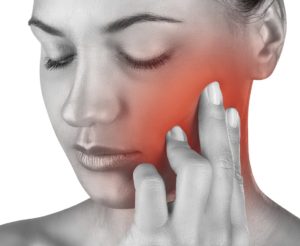
WHAT IS TEMPOROMANDIBULAR JOINT (TMJ)? Temporomandibular joints connect the jawbone to the skull. It is an articulation, synovial in nature, between the skull and the mandible (Lower Jaw). Its main function is lower jaw movement.
WHAT IS TEMPOROMANDIBULAR DISORDER (TMD)? A disease related to the jaws and its joints which might include the muscles of your face is known as TMJ disorder.
WHAT CAUSES TEMPOROMANDIBULAR DISORDER (TMD)? A heavy blow during a fight/sports, clenching/grinding of the teeth, dislocation of the disc, arthritis, improper occlusion/bite, a developmental defect, improper fusion of fractured jaw bone, or trauma might cause TMD.
WHAT ARE THE SIGNS AND SYMPTOMS OF TEMPOROMANDIBULAR DISORDER? – Difficulty Chewing. The patient might experience pain in the ear, jaw or face. – There might be difficulty in opening/closing of the jaws, in chewing. – Muscle spasms and clicking sounds in the joints. – Joint locking may be present. – Other Symptoms: Headache, Pain in the neck or shoulders, A tired feeling in your face, ringing in your ears, Swelling on the side of your face.
WHY IS EARLY TREATMENT RECOMMENDED? – The damage is irreversible, hence earlier the treatment, lessen the damage. An early treatment prevents a chronic disorder. – Another major concern is the cost factor. Once the pain is neglected and TMD reaches an advanced stage, joint replacement becomes crucial, which is extremely expensive.
HOW IS TMD DIAGNOSED? – Clinical Evaluation: is done in order to locate the areas of pain, discomfort or for clicking sound. – Radiographic evaluation: might be done as well in order to locate the changes in the jawbone and joints (eg. X-ray, CBCT, MRI). – Arthroscopy: is used for diagnosis, at times, during which the doctor inserts a cannula in the joint space, followed by the insertion of a small camera known as an arthroscope in order to view the affected area and arrive at a diagnosis.
WHAT IS THE TREATMENT OF TMJ DISORDER? Treatments range from simple self-care practices and conservative treatments to injections and open surgery. Most experts agree that treatment should begin with conservative, nonsurgical therapies, with surgery left as the last resort. > Restrictions: Avoid extreme jaw movements. > Medications: Pain relievers, anti-inflammatory drugs, muscle relaxants, Trigger point injections. > Oral splints/ mouthguard. > Physiotherapy: Exercises for strengthening and relaxing jaw muscles. > Therapy: Transcutaneous electrical nerve stimulation (TENS), Radio Wave Therapy, Laser Therapy, UltraSound. > The last resort is surgery. It includes arthrocentesis (This minor procedure is performed in the office, usually under local anesthesia), open-joint surgery.
TCC comprises of highly qualified dental specialists and master degree holders offering comprehensive treatment of TMJ. Teeth Care Centre has a TMJ Specialist who has earned the Masters degree in Oral and Maxillofacial Surgery, and has been a TMJ Arthroscopy and Total Joint Replacement Resident and has been trained for the same from Austria and Germany. Our specialized doctor offers a treatment best suited for the patient after evaluation of all the prospects.
Testimonial:
Contact Us: Teeth Care Centre 2nd Floor, Pushpak66, Near Someshwar Jain Temple, 132ft Ring Road, Satellite, Ahmedabad 380015, India. Call: +917878783384 http://www.teethcarecentre.com/contact
Latest TMD Diagnosis and Treatment Update 2026: Understanding Jaw Clicking, Muscle Pain and TMJ Disorders in Ahmedabad Temporomandibular disorders, often called TMD, describe a group of conditions affecting the jaw joints, chewing muscles, and related structures. Patients searching for a TMJ specialist Ahmedabad residents consult may experience jaw pain, clicking sounds, facial tenderness, headaches around the temples, or difficulty opening the mouth comfortably. These symptoms can have several causes, so an accurate assessment is more useful than assuming every clicking jaw requires the same treatment. A TMJ dentist Ahmedabad patients visit should review when symptoms started, whether pain changes with chewing, and whether the jaw sometimes catches or locks. The examination may include checking jaw movement, muscle tenderness, joint sounds, opening range, and the effect of symptoms on daily activities. Dental history, previous injuries, sleep quality, stress, and clenching habits may also be relevant. Imaging is not necessary for every patient, but a clinician may recommend it when symptoms, examination findings, trauma, or suspected structural problems make additional information important. A tmj dental clinic Ahmedabad patients consider should explain the purpose of any recommended scan and how its findings could influence treatment. Many TMD symptoms can initially be managed with conservative measures, particularly when there is no serious injury or other urgent cause. These measures may include temporarily choosing softer foods, avoiding gum chewing, limiting extreme mouth opening, and applying a comfortable warm or cold compress according to individual preference. Gentle jaw movement within a comfortable range may be useful for some patients, but exercises should be selected according to the diagnosis rather than performed forcefully. Relaxation strategies and awareness of daytime clenching can help reduce unnecessary loading of the jaw muscles. People seeking TMJ pain treatment Ahmedabad providers offer should ask about the likely cause of their symptoms and the expected benefits and limitations of each recommendation. Medication may be considered by a qualified clinician after reviewing the patient’s medical history, other medicines, and potential risks. Some patients may benefit from physiotherapy or guided jaw exercises, particularly when muscle pain or movement limitations are present. An oral appliance may be considered in selected cases, but it should be professionally assessed and monitored rather than purchased without guidance. Irreversible bite adjustments or extensive dental work should not be undertaken solely to treat TMD without a clear, evidence-based dental indication. A TMD dentist Ahmedabad patients consult may coordinate care with other healthcare professionals if symptoms suggest headache disorders, nerve pain, inflammatory joint disease, or another condition outside routine dental treatment. Jaw locking that prevents normal opening or closing deserves prompt assessment, particularly when it begins suddenly. Fever, facial swelling, recent significant injury, or difficulty swallowing also warrants urgent medical or dental attention. TMJ jaw surgery Ahmedabad patients search for is generally reserved for selected severe structural conditions after specialist assessment and consideration of appropriate alternatives. Most patients should first receive a diagnosis and an explanation of conservative options before surgery is discussed. Recovery varies because TMD includes different conditions rather than one single disease. Keeping a symptom diary can help identify patterns related to meals, sleep, stress, or prolonged jaw activity. Follow-up appointments allow the clinician to evaluate progress and adjust treatment when necessary. The best approach to jaw joint treatment Ahmedabad patients receive is individualized, avoids unnecessary irreversible procedures, and focuses on improving function, reducing pain, and identifying any underlying condition that requires specific care.