Best Dental Clinic for Japanese And Korean Expats Living in Ahmedabad Gujarat – グジャラート州第1歯科病院 1つの屋根の下でのすべての歯科治療 国際規格 | 最新技術 複数の賞を受賞

アーメダバード No. 1 歯科医院 – アーメダバードのトップ歯科医
japanese dental clinic ahmedabad

Best Dental Clinic for Japanese in Ahmedabad.
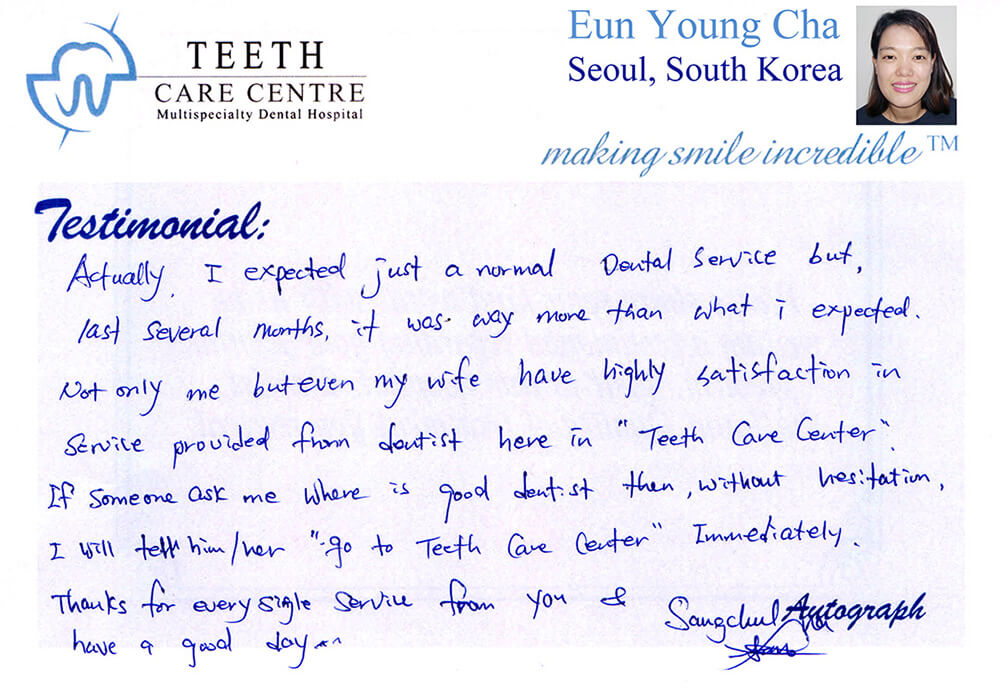
dental treatment for korean people in ahmedabad gujarat

Best Dental Clinic for Ahmedabad’s Japanese & Korean community
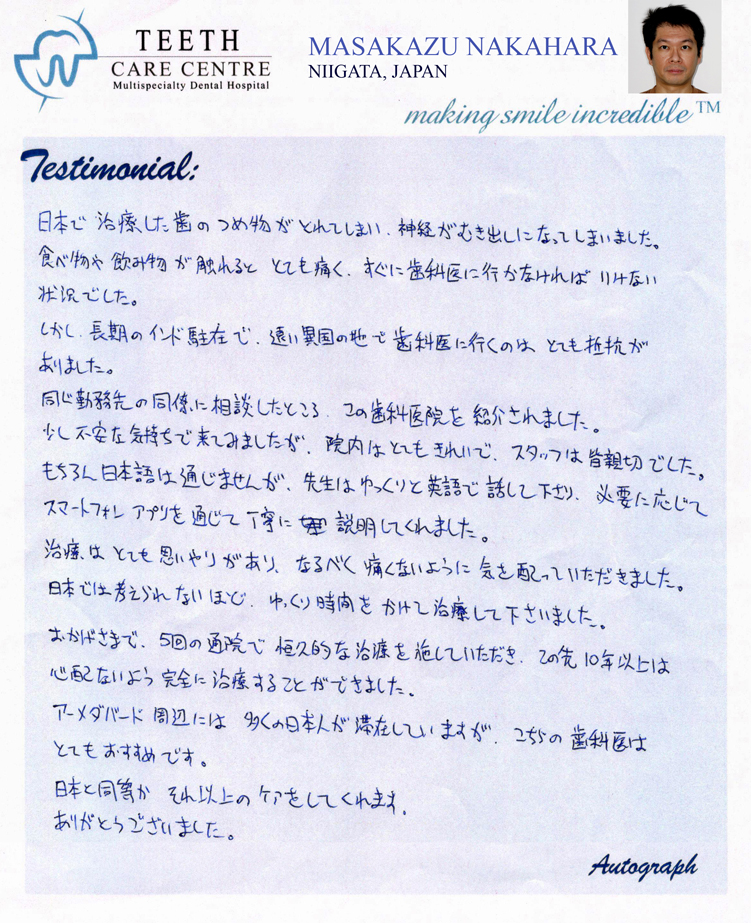
Japanese people residing Ahmedabad Gujarat Vitthalapur

Dentist for South Korea and Japan Community in Vitthalapur Ahmedabad Gujarat
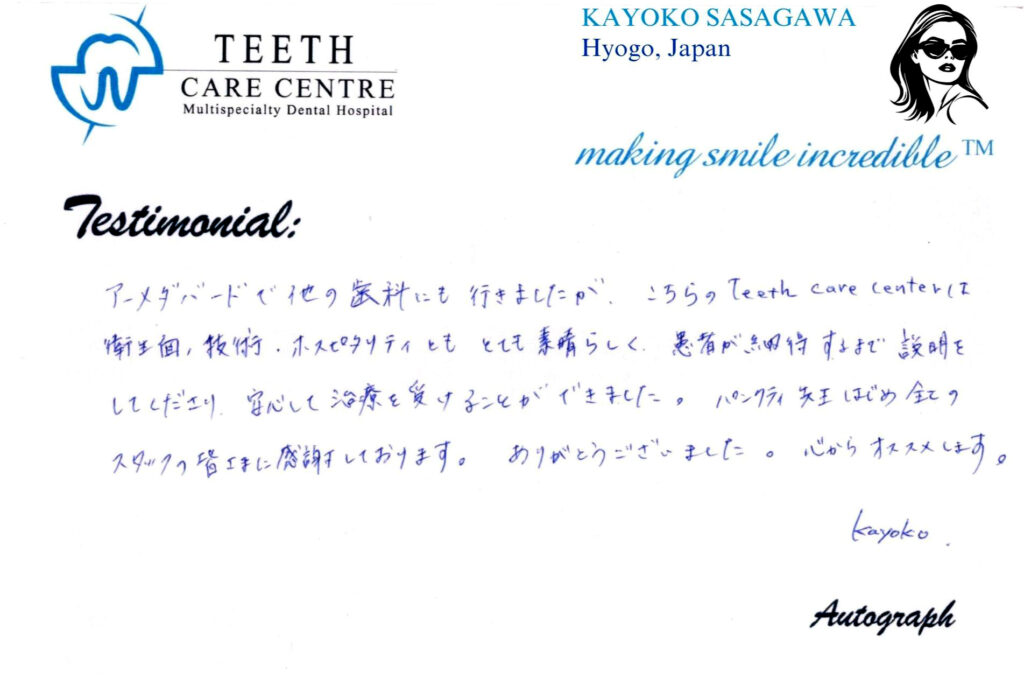
japanese community living in ahmedabad gujarat dental treatment

Japanese and Korean Langauge friendly dental clinic in Ahmedabad Gujarat
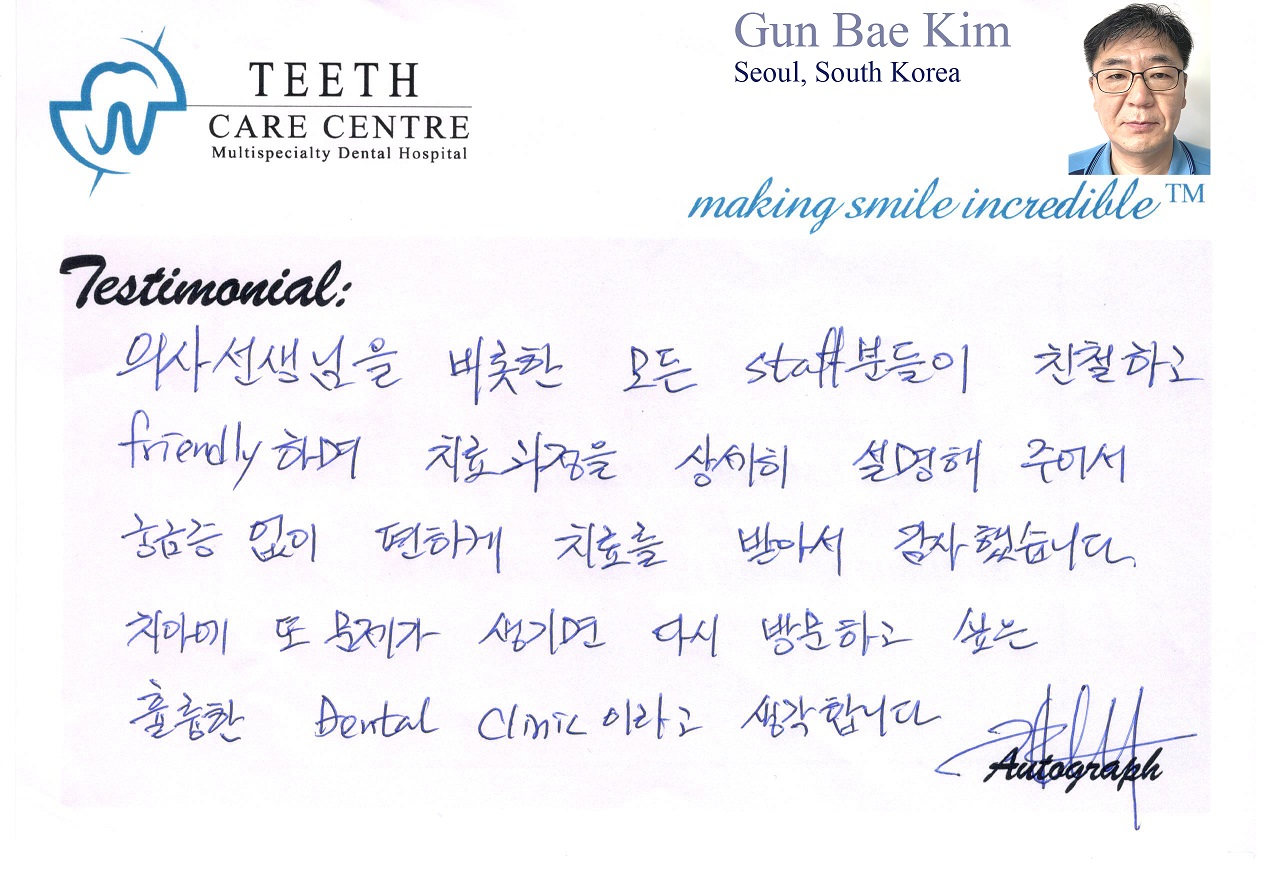
south korean community in ahmedabad gujarat
japanese japan patient ahmedabad gujarat korean korea dentist dental teeth india honda suzuki
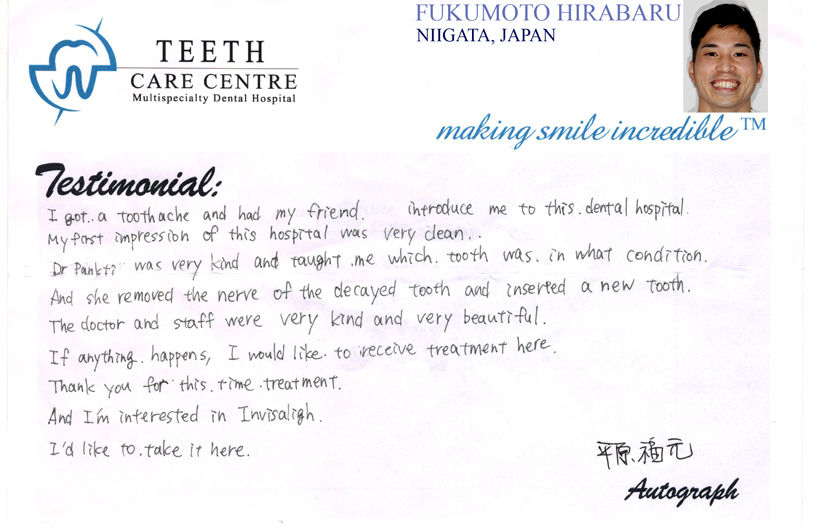
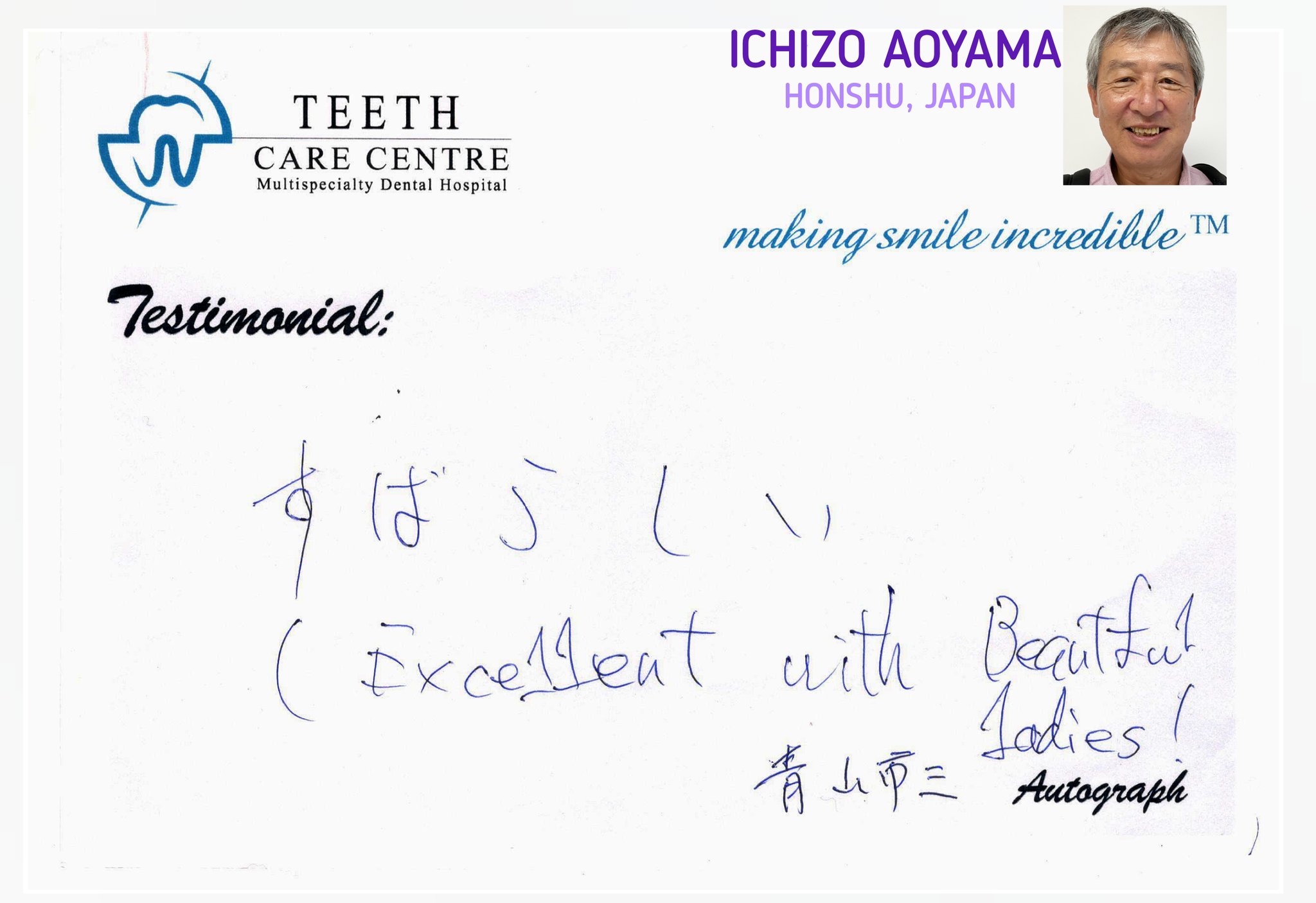
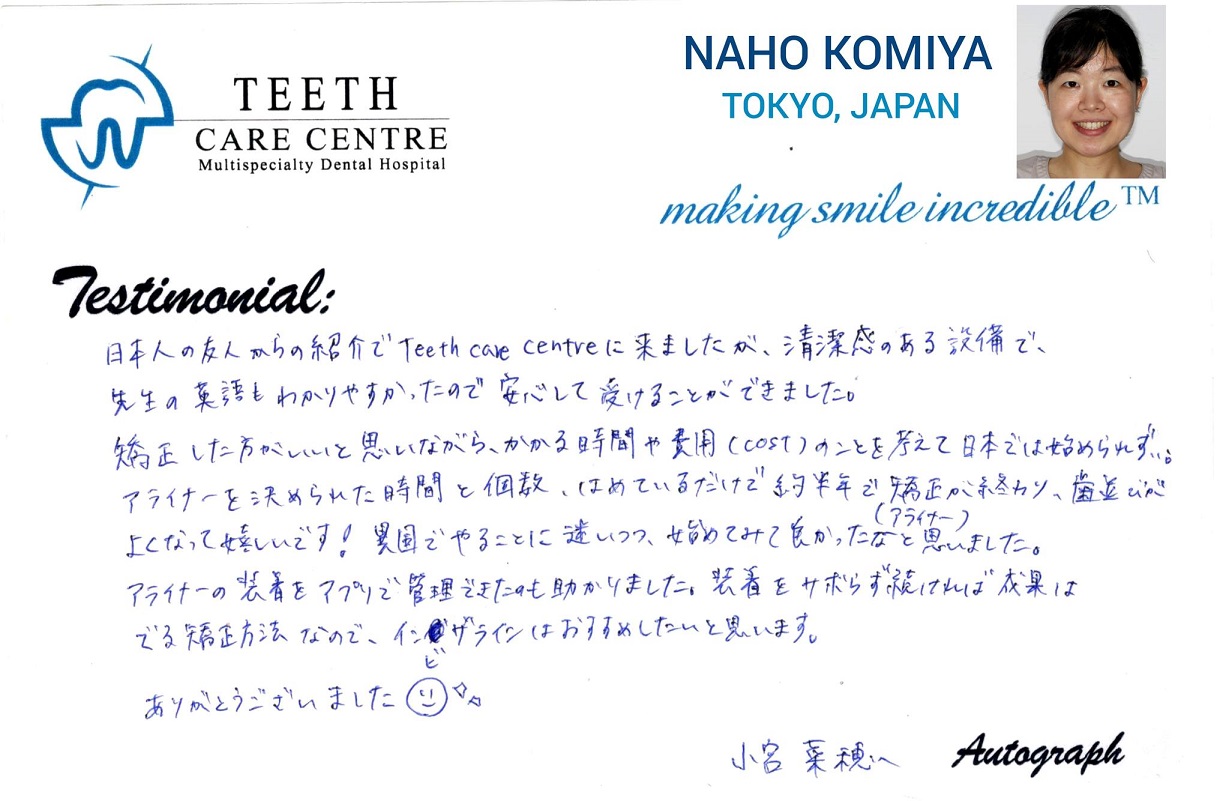
japanese patient testimonial review dental treatment in ahmedabad

Famous Dentist in Japanese and South Korean Community of Ahmedabad Gujarat.
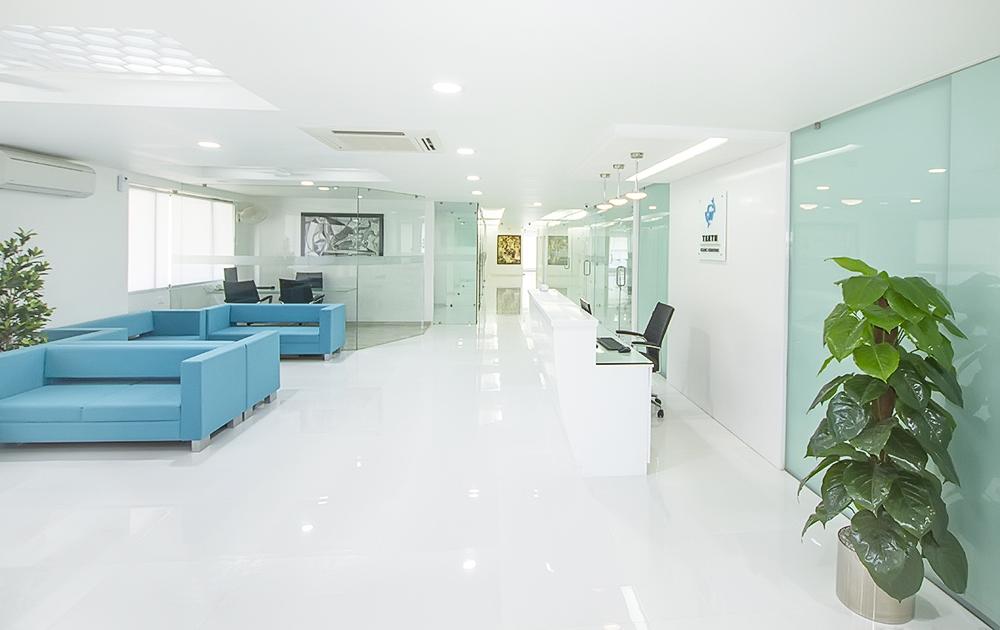
Teeth care centre dental hospital ahmedabad gujarat india dentist dental clinic nirav patel pankti patel best interior health care doctor dentistry (2)

Teeth Care Centre Dental Hospital at Ahmedabad https://teethcarecentre.com/

グジャラート州第1歯科病院
1つの屋根の下でのすべての歯科治療
国際規格 | 最新技術
複数の賞を受賞

아마다바드 최고의 치과의사. 아마다바드 최고의 치과 진료소. 세계적 수준의 치과.

Contact Information – Dentist for Japanese and Korean in Ahmedabad:
Teeth Care Centre Dental Hospital
2nd Floor, Pushpak66, Near Someshwar Jain Temple, 132 Feet Ring Road, Satellite, Ahmedabad, Gujarat, INDIA – 380015
https://teethcarecentre.com

How Preventive Dental Programs Benefit Japanese and Korean Families Living in Ahmedabad
As Ahmedabad continues to welcome professionals from international manufacturing, technology, and engineering industries, the demand for specialized dental care for expatriate families has increased significantly. The Best Dental Clinic for Japanese And Korean Expats Living in Ahmedabad focuses not only on treating dental problems but also on developing preventive dental programs that support long-term oral health. Preventive care has become especially important for expatriates because frequent international travel, demanding work schedules, and unfamiliar healthcare systems sometimes delay routine dental visits. Modern preventive programs begin with comprehensive oral health assessments that evaluate teeth, gums, bite alignment, jaw function, existing restorations, and oral hygiene habits. Digital X-rays and intraoral scanners help detect early cavities, gum disease, cracked restorations, and developing orthodontic concerns before symptoms appear. Language support remains another valuable service because clear communication allows patients to fully understand treatment recommendations, preventive strategies, and maintenance requirements. Pediatric preventive care is equally important for expatriate families with children, as regular examinations help monitor tooth eruption, jaw growth, oral habits, and cavity risk during different stages of development. Clinics increasingly provide customized preventive schedules rather than applying the same recall interval to every patient. Individuals with gum disease, dental implants, orthodontic appliances, or a history of frequent cavities may benefit from shorter maintenance intervals. Professional cleanings, fluoride therapy, dietary counseling, and home-care education further reduce the likelihood of complex dental treatment later. Another recent trend is digital record management, which allows patients relocating to another country to easily continue care with their next dentist. Busy professionals also appreciate coordinated family appointments that reduce disruption to work schedules. The Best Dental Clinic for Japanese And Korean Expats Living in Ahmedabad combines international clinical standards, preventive dentistry, modern technology, cultural understanding, and personalized care to create a comfortable dental experience for expatriates. By focusing on prevention instead of emergency treatment alone, these clinics help international families maintain healthy smiles, reduce future dental complications, and enjoy greater confidence throughout their stay in Ahmedabad.

What Happens When a Cavity Is Left Untreated?

A cavity may seem like a minor issue at first. In many cases, it doesn’t even cause pain, which is why many people choose to postpone treatment. However, tooth decay does not stop on its own. What begins as a small area of damage can gradually progress into a much more serious dental problem.

The Early Stage: A Small Cavity

In its initial stages, a cavity affects only the outer layer of the tooth. At this point, treatment is usually simple, quick, and minimally invasive. Seeking conservative treatment in Ahmedabad at an early stage can help preserve healthy tooth structure and prevent the need for more extensive procedures later.

As Decay Progresses

When left untreated, decay continues to move deeper into the tooth. You may begin to notice sensitivity to sweets, hot beverages, or cold foods. Some patients experience occasional discomfort, while others may still have no symptoms at all.

This is often the stage where a dentist can restore the tooth using a tooth colored filling in Ahmedabad, allowing the tooth to regain its function and appearance while blending naturally with your smile.

When the Nerve Becomes Involved

As the cavity reaches the inner layers of the tooth, bacteria can infect the dental pulp, where the tooth’s nerves and blood vessels are located. At this stage, symptoms may include persistent pain, swelling, difficulty chewing, or sensitivity that lingers long after eating or drinking.

Treatment becomes more complex, and delaying care further may increase the risk of tooth loss.

The Impact on Your Smile

Beyond oral health concerns, untreated cavities can affect the appearance of your teeth. Dark spots, visible damage, and weakened tooth structure can alter the overall look of your smile. In some cases, patients may later require Cosmetic dental treatment in Ahmedabad to restore both aesthetics and confidence.

Prevention Is Always Better Than Cure

The good news is that cavities are highly treatable when detected early. Regular dental check-ups allow problems to be identified before they become painful, costly, or complicated. Addressing a cavity at the right time can help save your natural tooth and maintain long-term oral health.

At Teeth Care Centre, Dr. Pankti Patel and her team believe in preserving natural teeth whenever possible through early diagnosis and minimally invasive dentistry. If you’ve noticed sensitivity, discomfort, or suspect a cavity, seeking timely care can make all the difference.

Final Thoughts

A cavity may start small, but it rarely stays that way. The longer it is ignored, the greater the risk of pain, infection, and more extensive treatment. Early intervention remains the simplest and most effective way to protect your smile and your dental health. This version is optimized to read naturally, educate patients, and subtly encourage consultation without sounding promotional.

From Orthodontic Correction to Dental Implant Rehabilitation: Management of a Complex Skeletal Class II Case with deep bite

A patient presented with the chief complaint of deep bite and malaligned teeth despite having undergone orthodontic treatment during childhood. Clinical examination and treatment history revealed that the mandibular right and left first premolars, maxillary right first premolar, and maxillary left canine had been extracted during the previous orthodontic treatment.

A comprehensive orthodontic evaluation, including lateral cephalometric analysis, revealed a skeletal Class II relationship with retrognathic maxilla and retrognathic mandible. The treatment objectives included correction of the deep bite, alignment of the dentition, and reopening of the mandibular first premolar spaces for future implant rehabilitation. The mandibular first premolars had been extracted during the previous orthodontic treatment despite not being indicated for extraction, resulting in the need for space regaining and dental implant placement.

Orthodontic treatment was carried out using Invisalign aligners to align the teeth, improve the occlusion, and regain adequate space in the mandibular first premolar regions. Following space opening, severe bilateral ridge deficiency was noted at the edentulous sites, with ridge widths of approximately 2–2.5 mm.

Due to the extremely narrow mandibular ridge, conventional ridge splitting procedure was considered unfavorable. A modified ridge augmentation procedure was performed involving buccal vertical corticotomy cuts followed by gradual expansion using piezoelectric surgery and hand instruments. Guided bone regeneration (GBR) was then carried out at both sites, and the areas were allowed to heal for approximately 8–9 months.

After ridge maturation, Nobel Biocare implant placement was performed using a CAD/CAM-guided flapless surgical approach. Healing abutments were placed, followed by a healing period of approximately 4 months. Definitive implant-supported zirconia crowns were subsequently delivered in the mandibular first premolar regions.