Oral cancer is a serious disease that affects the mouth and throat, including the lips, tongue, cheeks, gums, palate, and floor of the mouth. It often starts quietly, with small changes that may seem harmless, such as a sore, lump, or red or white patch. Because these early signs are usually painless, many people ignore them. Unfortunately, when oral cancer is diagnosed at a later stage, treatment becomes more complex, and recovery can be difficult. This is why early diagnosis is so important.
Why Early Diagnosis Matters
Detecting oral cancer early can save lives. At an early stage, the cancer is usually limited to a small area and can be treated effectively with minor surgery. This reduces the need for aggressive treatments such as chemotherapy or radiation therapy, which can be physically and emotionally challenging. Early diagnosis also lowers the risk of the cancer spreading to nearby tissues or lymph nodes, making treatment more effective and recovery faster.
Most importantly, early detection helps preserve essential oral functions such as speaking, chewing, swallowing, and appearance. This significantly improves a patient’s quality of life and reduces long-term complications. Early treatment is also less costly and less invasive, making it easier for patients to return to normal life sooner.
Risk Factors of Oral Cancer
Understanding what increases the risk of oral cancer can help prevent the disease and encourage early screening. Common risk factors include:
- Tobacco use: Smoking cigarettes, cigars, bidis, or using smokeless tobacco is the leading cause of oral cancer.
- Alcohol consumption: Heavy drinking increases the risk, especially when combined with tobacco.
- HPV infection: Human papillomavirus (HPV) is linked to cancers of the mouth and throat.
- Poor oral hygiene: Chronic irritation from plaque, gum disease, or broken teeth can contribute.
- Ill-fitting dentures or chronic irritation: Constant irritation can damage the lining of the mouth over time.
- Sun exposure: Prolonged exposure to sunlight increases the risk of lip cancer.
- Dietary factors: A diet low in fruits and vegetables may increase vulnerability.
- Age and gender: Oral cancer is more common in people over 40 and occurs more frequently in men.
- Family history: Genetics may play a role in susceptibility to oral cancer.
Being aware of these risk factors can help patients take preventive measures and seek medical advice sooner.
Early Signs and Symptoms to Watch For
- Oral cancer can start silently, but certain signs should never be ignored:
- Sores in the mouth that do not heal within two weeks
- Red or white patches inside the mouth
- Lumps or thickened areas in the mouth or on the lips
- Persistent pain or discomfort in the mouth or throat
- Difficulty chewing, swallowing, or moving the jaw or tongue
- Unexplained bleeding from the mouth
- Numbness or unusual sensations in the mouth or lips
Even if these symptoms seem minor, they should be checked by the best dentist in Ahmedabad or doctor promptly. Early detection is much more effective than waiting until the cancer advances.
How Oral Cancer Is Diagnosed Early
Early diagnosis begins with awareness and routine check-ups. Here’s how it is usually done:
- Self-examination: Patients should regularly check their mouth for unusual sores, lumps, or patches. Being familiar with the normal appearance of your mouth makes it easier to notice changes.
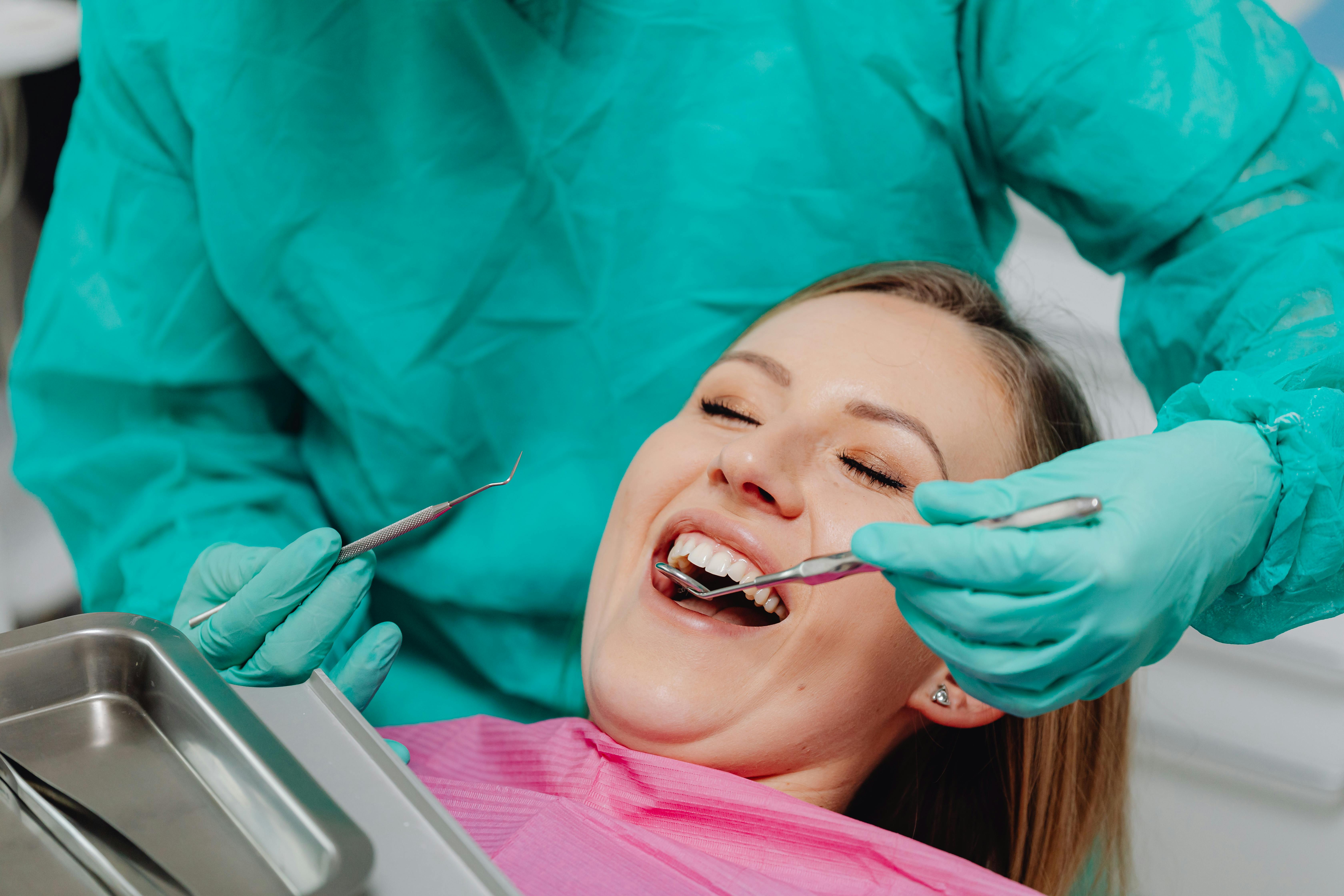
- Regular dental visits: Dentists are trained to spot early signs of oral cancer during routine check-ups. They examine the mouth, tongue, gums, lips, and neck for any abnormal areas.
- Adjunctive screening tools: In some cases, dentists may use special dyes, lights, or brush biopsies to identify abnormal cells that are not visible to the naked eye.
- Biopsy: If a suspicious area is found, a small tissue sample is taken and analyzed in a lab. This is the most reliable way to confirm oral cancer.
- Imaging tests: In some cases, X-rays, CT scans, or MRIs may be used to determine whether the cancer has spread.
- Early detection using these methods allows doctors to start treatment before the cancer grows or spreads, which can save lives and improve recovery.
Preventing Oral Cancer and Protecting Oral Health
While not all cases of oral cancer can be prevented, patients can significantly lower their risk by:
- Avoiding tobacco in all forms
- Limiting or avoiding alcohol
- Practicing good oral hygiene, including regular brushing and flossing
- Eating a healthy diet rich in fruits and vegetables
- Protecting lips from excessive sun exposure
- Visiting the dentist at best dental clinic in Ahmedabad for regularly for check-ups and screenings
- Paying attention to early warning signs and seeking medical advice promptly
- By combining prevention with awareness and regular screenings, oral cancer can often be caught at an early, treatable stage.
Oral cancer is a serious but manageable disease if detected early. Awareness of risk factors, recognition of early signs, and regular dental visits are the most effective ways to catch oral cancer before it becomes advanced. Simple steps like avoiding tobacco and alcohol, maintaining good oral hygiene, and paying attention to changes in the mouth can make a huge difference. Early diagnosis saves lives, reduces treatment complications, and helps patients maintain a healthy, normal life.
Remember: even small changes in your mouth matter. Don’t ignore them — early action is the best protection.